

Featuring:
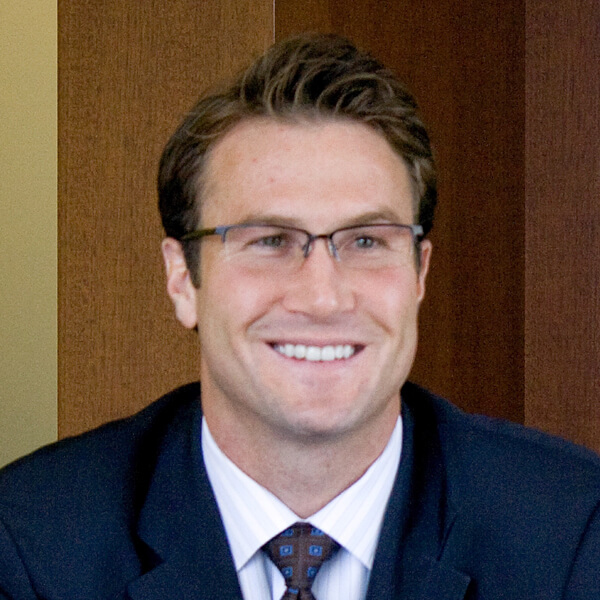
Shaun Tucker
Director of Practice Management
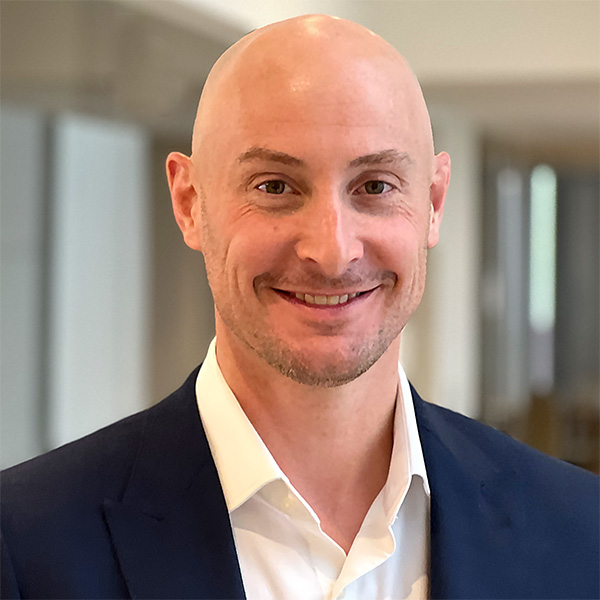
Jon Wainman
Advisor Practice Management Consultant
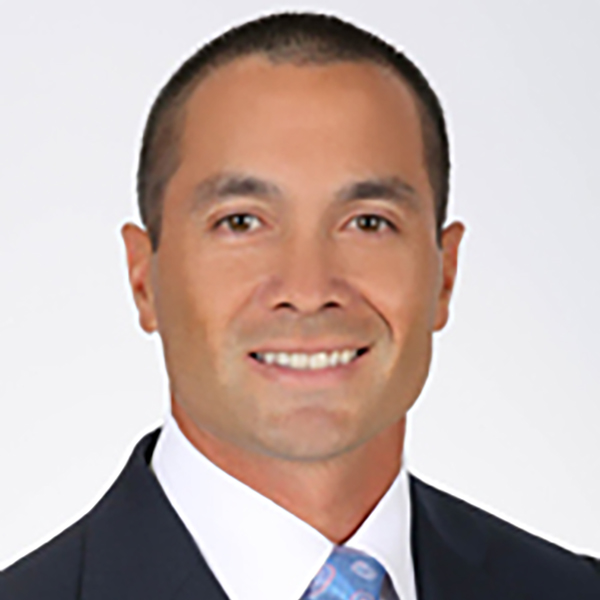
Greg Mendoza
Senior Vice President–Wealth Management, UBS

Shaun Tucker: Hello, and welcome to our PracticeLab webinar series. I'm your host, Shaun Tucker. I'm the director of Practice Management here at Capital Group, and I want to thank everyone for joining us today. I'm really excited about the conversation we're about to have. Our topic today is Inside the high performing retirement plan practice.
That's actually the title of Capital Group's latest benchmarking study, which was conducted with the help of our friends from Broadridge. It's focused on retirement plan advisors and the skills that they're using to drive growth, to engage participants, and to build scale on both the DC and wealth management sides of their business. We have some great guests that we're going to welcome to help us dive into what we learned from the study, and they're going to highlight the skills that we identified among the highest growing retirement plan practices across the country. But before I introduce them, let me cover some housekeeping.
If you look into the upper right hand of your webinar screen, you'll find everything that you need for today, including the Q&A tab, as well as the slides for this event, and the link to the full research report, which we hope you'll check out. Use the Q&A tab obviously to ask your questions, and we're going to try and get to as many of them during our session today as possible. We're offering CE credit for CFP and IWI today, and we also want to remind you that a replay of the webinar is going to be available in about two weeks, so look for that, and if you want, share it with colleagues and friends. We also often add IAR credit to the replays, so if you're looking for that, be sure to check it out. Okay.
With that, I'm going to introduce our speakers. I'm going to begin with my friend, Greg Mendoza.
Greg is a co-founder of Integrated Wealth Management at UBS, and he heads the group's retirement plan consulting practice. Greg has over 30 years of experience in wealth management and consulting. He focuses on a number of client types, the needs of individuals, of course, multi-generational families, companies, and nonprofit organizations, and Greg is hailing from his office in Connecticut.
So, really, really appreciate you, Greg, for being here, I do want to add one additional thing. Greg is a longstanding member of our advisory council, he is a true partner and we want to welcome him back to the program because he's been a regular guest of our webinar series over the last many years. So, Greg, thank you for joining us.
Greg Mendoza: Thank you, Shaun.
Shaun Tucker: Great to see you. Joining us as well, also from the East Coast, in, I think Washington D.C. is Jon Wainman. Jon Wainman is a retirement plan division manager at Capital Group. He's newly transplanted to the East Coast, so prior to that, Jon was an advisor practice management consultant here in Los Angeles on my team, and not surprisingly, Jon has a ton of experience coaching hundreds of top advisors and their teams in the area of practice management. He also has helped them grow their retirement plan practices as a former retirement plan counselor, where he brings a ton of experience. Jon has 23 years of industry experience, and he's been with Capital for 14 years. So, Jon, welcome my friend, great to have you back on the program in your new capacity. But gents, really appreciate you being here, I'm so excited about this conversation, why don't we dive in. And as the wise man once said, start with the why.
So, we're going to start with why is this topic of retirement plans really important? And Greg, I'm going to begin with you. You've been what we like to call an RP heavy for a long while now. Can you tell everybody the opportunity that you see in retirement plans, and why have you chosen to focus so much of your business in this area?
Greg Mendoza: Yeah, absolutely, Shaun. First, thanks for having me today, and what a really great diving in point. I can tell you the opportunity that exists is 100% real. It's not perceived, it's not potential, it's not something that'll happen in six months to a year, it's happening right now, and it's there for us to all take advantage of.
We all know for many years now the media, regulators, even trolling attorneys have shined a very bright spotlight on 401(k) plans. More importantly, many normal people such as participants, business owners, committee members, they're all hyper-focused on 401(k) plans. Why? Well, there's many reasons, but I'll give you five quick ones. Right now, a large cohort of people are about to retire, that's truth, two, the market's robust returns over the last few years have created historically high account values and participants are very happy about that, but they're also a little uncomfortable with things that are going on right now in current affairs, whether it be inflation, politics, the war in Iran, and everyone's a little nervous like a long-tailed cat in a room full of rocking chairs.
Three, state-mandated retirement plans. In preparation for this discussion today, I went on the internet, right now, 15 states have active or enforced mandatory retirement plans, and 22 have enacted similar legislation. Quick math tells me that's three quarters or 74% of every state that never used to have to focus on retirement plans is focusing on them. And most of the state-mandated plans are not as robust as the 401(k)s or other DC options that exist out there. There are still hobbyists, what I would call two plan Tony or two plan Tanya advisors out there, who dabble and have a couple 401(k) plans.
And with all due respect, they're probably missing the mark, whether it be investments, whether it be service to participants, quarterly reporting, these plans are quite vulnerable and myself or any of the other RP heavy advisors who are on this call could probably get an opportunity to take those over.
And then, last but not least, participants and employers, they all just want to know about their 401(k) plans. Everyone wants to know if what they have is good. Maybe it's stale, even worse, it could be broken. So, those are five pretty important reasons. And if that's enough, and you're in agreement, and that wets your whistles, now let's shift to why you should pursue retirement plan business. First, regardless of market conditions, every payroll period, participants are actively deferring into the plan. So, that's very different from wealth management clients who unfortunately, when the markets are down, they have a tendency to not want to invest when securities are on sale.
A K plan, if you source it and you get it, it's a potential new and increasing revenue source for your practice. I can remember hearing other advisors say, "God, I'd like to just do a little more if only I could find a 13th month of production." Well, we're here to focus on that.
Retirement plans are that extra 13th month of production. And then to me, the most important and powerful, each 401(k) plan opportunity that you secure creates a freshly stocked pond of potential new wealth management clients. And this cycle continues to repeat itself because every new wealth management client you have creates a potential new pond of 401(k) plan opportunities. And we could drill down on that and how that cycle feeds itself over and over a little later in this discussion.
Shaun Tucker: I mean, such a strong start. Good luck, Jon, because I'm coming over to you. But just to recap a couple things that I wrote down, number one, I think that point about state-mandated retirement plans and that's such a growing list that should incentivize folks getting into this business. And I love your point about the accumulation kind of aspects of 401(k) plans, certainly seeing this as a bridge to wealth management clients are also powerful motivators. So, just thanks for the great table set there on why being in this business makes a ton of sense as you grow your overall business. Jon, talk to us about the benchmarking study, right? So, talk to us about who we surveyed there, what did we learn about them? Talk to us about maybe some of the key findings. You were really close to this, so please share.
Jon Wainman: Yeah. And so, I think... Good morning or good afternoon everybody. I think a couple things.
So, I think number one is one of the questions that we constantly get from advisors is what are the best folks out there doing? And so, I think we've done some research on this, generally it tends to be broader practice focused, and we felt based upon some of the comments Greg made around the growth of this market, it made sense to actually do a DC or defined contribution specific study. And so, what we ended up doing is earlier this year, we interviewed 439 different teams around the country that all have some defined contribution business, and really the intent was to figure out what are some of the best practices doing differently. And so, you can see on the right-hand side, we really isolated just around the top 20% or 81 practices that really seem to excel in different areas.
So, those areas being like their ability to grow their business, not only their plan business, but also their wealth management business. Also figuring out how are they setting themselves up from a structure perspective, finding efficiency, optimizing their profitability. And so, I think that was really the intent was what can we learn from the best teams out there and really distill from a data perspective? So, I think folks, what you'll see here is a lot of what we ended up looking at.
I think number two is if you're thinking about what kinds of practices participated, I think one of the things that was really interesting as we did this work is you see that across those 439 different practices, most of these folks have very blended practices, meaning they have a wealth business you see right here across large teams, which we define as over half a billion, you see those top performer cohort that I just mentioned, and everybody else, they've all got about 60% of a wealth bend, and the remainder is either a DC or institutional client base. And so, I think what that also told me is a lot of the folks that participated in what you'll hear from today really have a blended practice. The DC business feeds their wealth business and vice versa, their wealth business, quite frankly, their business owner clients feed their defined contribution business. So, I think that's a little bit of the background information that I would share on the front end, Shaun.
Shaun Tucker: Yeah. It's such an affirmation on what Greg said earlier, I just wrote down it's the revenue engine for a thriving business overall. And so, you see the predominance of this hybrid model in place, the one feeding the other and vice versa. So, really well said, gents, thanks for the table set. So, today, obviously we're going to zoom in on these high-performing retirement plan practices and we're going to focus on three sections.
So, let me give you our outline real quick. We're going to talk about driving organic growth, we're going to talk about this notion of intentional conversion as we think about both sides of a balanced business, and we're going to talk about how top performers staff, scale and standardize their different practices. So, let's jump in, we got a lot to cover.
We're going to get into growth. And one of the clearest findings from the benchmarking study is that the top performing practices, they grow assets a lot faster than their peers.
And there are structural reasons why, as Jon kind of hinted at earlier, there are a number of really definitive attributes that separate the best from everybody else, and we're going to get into that. So, top performers are outperforming on a bunch of different metrics, and Greg, I'm going to come back to you.
Let's just talk about, I think none of these findings were shocking to you because I think you're probably pulling all those levers currently. We'll call them confirming. But growth is king, but tell us about the part and the mechanics of these high-performing teams that's structural. What does it take to be successful? What are the actual profile attributes that are meaningful from your perspective?
Greg Mendoza: Sure. I think at the most simplistic level, what it takes is really quite simple, it involves making a decision followed up by lots of effort. I think we have a tendency to overcomplicate things a lot. We've all heard the saying, hope is not a plan, whether it's in sports, military battle, get in better shape, you name it. To achieve an ideal outcome, an outcome that you could look at and be happy with, people need to plan their work and work their plan. You got to be strategic, you have to take deliberate action, you have to take more action. And then after a reasonable amount of time, try and step back from it, objectively look at it, and course correct if needed. So, that's what it takes. Now, to drive growth, one either needs to market themselves constantly, which if I'm being honest, and you know me, there's only one version of me, I say what I'm thinking.
It's pretty uncomfortable to be constantly prospecting or marketing yourself. And it also takes a lot of time, which most of us just don't have. One of my favorite mantras is, it's good business to do good business. And what does that mean? Well, if you're attentive, if you're proactive, and if you service your clients, you get much deeper engagement with that client. You get more wallet share, you have more referrals. And in this day and age, I think we need to be pretty honest with each other. We've had a nice tailwind with market appreciation these last few years, and that won't always be the case, and will probably end sooner versus later. Now, what I do versus what someone interested in getting into retirement plans should do are different. So, if you're on this call as a newbie to retirement plans, and you want to hatch an RP effort, the first thing you have to do is you got to find potential prospects, and you already have them in your book of business.
You have business owner clients, you have wealth management clients that participate in their employer's 401(k) plans. And of those two types of people, if they're in decision making or influence roles, even better. And all you need to do is just gather documents that pertain to the plan, whether it be a participant statement, a plan level fee disclosure, a participant fee level disclosure, just ask for them. And once you get them, your heavy lifting is done because you can then take those documents and give them to Capital calls, RPC, retirement plan counselor, or other record keepers have names, but a retirement plan wholesaler, they will literally rip through those papers, assess them for you, pick them apart, provide talking points, areas of weakness, areas for improvement, and either help you relay that information to the prospective opportunity or present it on your behalf. It's really that simple. It's just executing.
Again, if you want to add RP, you just got to make the decision to decide. This is a bit philosophical, but true growth and a more fulfilled life come from saying yes and taking action more often than you say no and staying on your standard path. If you're already doing RP and you want more of it, you have to build efficient processes. Scalability is something I'm sure we'll focus on, everybody does this in their wealth management practice. You have to service the plan sponsor, you got to service the committee members, and you got to service the participants over and over again. You have to continue to deliver and demonstrate ongoing value. This business is complex, I often like to say you never get ahead in this, you just get a little less behind, and it's not about perfection or status quo. This is a business of doing more. And as we know, the more you do, the more you get. And I think that's the secret to growth. Just be active, you got to continue to do more.
Shaun Tucker: You just said a whole bunch covering the full arc, including scalability, Greg, that was great. Great burst of precision. It's good business to do good business. Be intentional, plan your work, work your plan... I also wrote down marketing prospecting constantly. You see some of the stats on the slide that was shared about digital outreach, the spend on marketing, those sorts of things.
... shared about digital outreach, the spend on marketing, those sorts of things. So there are so many reasons that being in this business makes sense. The details do matter. And I love your point about the best are getting better, services expanding, really differentiating and scaling your business over time. So Jon, over to you. Top performers are growing revenue obviously at a faster rate than anyone else. So tell us more about what's driving that, if you could get into and unpack that a little bit.
Jon Wainman: Yeah. And I think the one thing that stood out when we started looking and I referenced earlier, you've got top performers and everybody else. A couple numbers to think about. I mean, the delta between those two categories was quite large. So top performers outgrowing everybody else by 2.4x from an AUM perspective over the past two years. From a revenue perspective, 4.7X. So folks, those are big numbers. It's not 10% more. It's significant more. So I think that is a little bit on I think the headline difference between those two categories and what we'll unpack here.
I think number two is where are folks getting growth from? And I think what's interesting is, I think in my career, when you look at most wealth management practices, what drives their revenue and their new business tends to be client referrals. Every study is a little bit different, but probably 70%, 80% really rely on client referrals as the primary growth engine for driving net new business. And what you see here is we ask the question to these practices that have a DC focus, where are they getting net new business? And you'll see that yes, client referrals matter. That is the dark blue line on the screen.
But also what's really interesting is if you look to the right of that, I think three categories stand out that are a bit emergent in terms of ways that folks grow their business. So it's external COIs, internal firm referrals, and external wealth advisors. And I think especially the last two are really interesting. I was on with a firm yesterday having a very similar discussion. They're attached to a bank. This is the number one way that they get lead gen for the retirement plan business is they get banking referrals. So that fits very clearly in my opinion in the internal firm referral channel.
Also, folks in the wirehouse channel, a lot of those folks that have had success are actually the retirement plans expert within their branch, get referrals from other wealth advisors within their office. So there's other ways that I think you can think about growing your business that are slightly different than I think your classic wealth practice. I think Shaun, my takeaway from this is regardless if you're in the top performer camp, a large team or everybody else, what you tend to see is the way that folks source their business is slightly different than a traditional wealth practice. More reliant I think on third party COIs.
Shaun Tucker: Yeah. And I think your big steer there is the diversity of different sources for referrals and really kind of having a systematic approach to that to have other sources coming through. And hopefully everyone wrote that down, the huge differential in revenue between top producing RP advisors and those that aren't 4.7X, that's a huge number. So that kind of gets to kind of the topic that I want to come back to you on Greg, which is just the proactivity, the opportunity kind of hunting around building a pipeline. So I know you're a scientist about this, you're absolutely maniacal about driving this and having a process, but talk to me about the importance of having a client acquisition pipeline.
Greg Mendoza: Yeah. Before I do that, I just want to commend Jon for mentioning some of the COI sources that, and I took the opportunity just to write down a couple. Whether you're an RP producer or not, I think it's important you probably have access to these people in your wealth management day in life, third party administrators, attorneys in particular, corporate transaction attorneys. A lot of retirement plan opportunities arise when there's M&A and there's been a lot of that and probably more to come. Financial advisors in your office. And then I'll throw one out there too, which is record keepers. It doesn't happen often, but it happens at times.
You name the record keeper, they've reached out at some point in time and said, Hey, we have this plan that's on the rocks. We're probably going to lose it. We've asked them, are they open and are they willing to meet with another retirement plan consultant who probably can do the job better than the incumbent? And sometimes it helps and it's often easier to fix a plan than to move a plan. So those are some COIs that exist. But as far as having a client acquisition pipeline, I think every advisor on this call already has one. They just need to recognize and cultivate it. And not only is it important to have one to cultivate it, but to know how to keep it flowing. So who and how can you build a pipeline?
You probably have business owner clients. You probably know plan sponsors or owners of businesses, people you're not currently working with. You have wealth management clients who are participants within 401(k) plans. If we're doing a good job of managing clients' assets and doing their planning, we probably should have line of sight on their 401s, which are in many instances, one of their larger asset bases. You all have accountants, your clients have accountants. We communicate with them on an ongoing basis. They know who is looking to put away more money in a tax-advantage manner and who absolutely despise paying unnecessary taxes.
So through plan design, you can generate additional contributions and tax savings for both the individual and the company. And then candidly, most accountants have a good working knowledge of retirement plans, but not as much as a retirement plan advisor who knows this business. And they love having a go-to, a subject matter expert that they can talk to when a retirement plan question comes up. And then the challenge is once you have that pipeline built, you've got to keep it going because pipeline overflows and at one point in time you're very busy onboarding clients and closing business. And if we're not careful to continue to keep stuffing it on the other end, we can pick our head up and that can run dry.
And you all experience this in your wealth management practice. Yep. From time to time, we get those random lucky referrals that come in kind of out of thin air, but they didn't really come out of thin air. You did something, you provided some value to someone and they remembered. And when someone asked them who they work with, your name was forefront on their mind. But again, the more we speak to people, the more we engage our clients and ask them questions, the more useful information arises, the more we get to demonstrate our value and the more opportunities that come our way. I said it before, I'll say it again. It is good business to do good business and complacency and doing less kills growth and it kills momentum.
Shaun Tucker: Yeah. Mic drop, Greg. Notice the diversity of sources for those different opportunities, those different prospects, the relentlessness with which you're pursuing those things, not being complacent, you're putting yourself at the center of the deal flow, as we like to say, and things are moving forward or out in the pipeline. So no staleness, right? Don't get complacent, don't get lazy, keep driving that and you'll have a good result. Jon, back to you. We're talking about growth, organic growth. What's moving the needle there from your perspective as you think about the research and just your experience?
Jon Wainman: Yeah. I mean, I think one thing that you've seen is folks that... I think Greg mentioned it earlier, but having that intentional mindset around growth I think is critically important. And so it's important not only from a referral perspective, but I also think it was really interesting to see how are folks actually investing in their own business development efforts. And so, one of the questions that we asked, we said, "Hey, how much are you investing in marketing and really trying to grow your business?" And I think one of the clear findings that came back is folks that are actually growing their practice shockingly are investing more money.
That's what you really see here is that you're far more likely to see a team investing 25,000, 50, $100,000 in new business to have a higher growth rate. And so I think then the question becomes where do you invest that money? I think different ways that we see folks have success on that front. I think common ones, quite frankly, it's folks that are doing things like client events. It could be some kind of educational events where you're getting HR professionals all in a room together to share best practices. It helps for them to create a buzz, maybe think of who else do they know in their life that might be a good candidate for you. It's the same thing for business owners, frankly.
So I think leveraging some type of well-thought-out business development approach, investing in your growth, Shaun, that's the one thing that I would probably take away from this one that's a little bit unique for top performers versus everybody else.
Shaun Tucker: Yeah. And it underscores or it highlights Greg's kind of point about make the decision. Make the decision to get in this business and invest in it. I think that the results will then follow. Let's take some questions from the audience. We've spent a lot of time on the first organic growth kind of driver and a couple questions have come through in the chat. So there's one here that maybe Jon, you want to field, although Greg, I suspect you have an opinion, but it's what holds advisors back from pursuing RP business? Is it fear or lack of knowledge? So would love a pithy response there and then I've got another question for you.
Jon Wainman: My quick response, and Greg probably knows this better than I think like all things, the business of being an advisor is more complex. You want to be an expert and so you have to figure out and pick your lanes of what can you be an expert in. So I think typically, Shaun, you have to pick where do you want to be an expert? What kind of clients do you serve? So if you work with business owners, I think those advisors are far more likely to start at least dabbling, if not specializing.
And then I think second, we'll touch on it later, but I think as you try to offer more services and solutions to your clients, your team gets bigger, you have folks specialize on the team. So I think that's typically how I've seen practices progress is they realize, "Hey, we've got an itch here with a lot of our clients. Somebody needs to specialize at least to some degree on the team in terms of focusing on it." I think that's a bit of the tipping point.
Shaun Tucker: Yeah. It's all connected, right? Make the decision, maybe include it in your value proposition, carve out a niche, right? And then maybe specialize on the team. Greg, any thoughts?
Greg Mendoza: Yeah. I view the question was presented, is it fear or is it lack of knowledge? I view them very much attached at the hip. As advisors, we're fearful because we have lack of knowledge in certain subject matters, whether it be retirement plans, whether it be estate planning, we're supposed to be these know it all people, good, bad or indifferent, that's the perception of us. But I think there's power and strength in saying, "You know what? Let me get back to you on this. I want to look into it a little deeper. These things change all the time." You don't have to have every answer at every second when it's asked. And I think it's okay to admit that.
I'll talk about this a little later, how you go about the first opportunities, but I think it's okay to let people know that you're learning more and more about this, you want to help them and maybe you don't go after the biggest opportunities in the beginning. You got to cut your teeth on smaller cases.
Shaun Tucker: Yeah. And shameless plug here, you're not alone. You have a partner. There are 50 different retirement plan counselor teams across the country at Capital Group that are standing by to help you come up the learning curve, get comfortable, craft an approach.
Second question that's related, and you talked about this around pipeline a bit ago, Greg, which is can you think about what technique or describe the techniques that you would use to get those plan documents that you mentioned when we were talking about pipeline, Greg?
Greg Mendoza: Sure.
Shaun Tucker: Any thoughts there?
Greg Mendoza: Yeah. Another shameless plug for you. Some of the documents that we would need as advisors to review a plan to sink our teeth into it and to get that opportunity to demonstrate value, some of them are participant sourced and some of them are plan sponsor sourced. So really one of the only two documents that a participant can provide are their statements and statements themselves can show expensive share classes, maybe it's in a group annuity wrapper product. There's a handful of things that can jump off of this statement, but they can also request a fee disclosure document and that's a participant level document. Record keepers and the rules that apply to 401(k) plans mandate that those disclosure documents be given once a year. And they're probably available on their website that they log in to look at their accounts on an ongoing basis.
The other documents, plan level fee document. I always confuse these so I won't give the numbers, but you can get that from the plan sponsor, the prospect if you would, the business owner. And ideally also you get a listing of the plans investment options and the dollar amounts that are held in each of them. So there's ways in which to go about it. And one of the things, one of the 50 RPCs that American Funds can provide around the country is they actually know the name that each record keeper calls that plan level fee disclosure statement. So ask your RPC for it. They'll give you the language. You'll be able to use the jargon. If the plan is at record keeper X, you can say, I need the XYZ statement. If it's at record keeper Y, you can say, I need the 142 statement and they'll provide it.
Shaun Tucker: Great guidance. Again, we're here to help. Reach out to your retirement plan counselor and they can help you craft an approach, get those documents and proceed.
Okay, great first chapter. We're going to move into chapter two around intentional conversion. And Greg, I'm going to come to you in just a second, but the benchmarking study revealed that top performers, they sourced new wealth clients from DC plan relationships over three times more than compared to your average advisor. Again, that's just tremendous and the outreach, the deliberateness, there's a strategy there.
So Greg, treating DC relationships differently, it's critical to building a wealth management business. Can you just talk about how important that conversion is to you and how you build it, right? What's the process that you defined to make that a flywheel that, again, is that revenue driver for your overall wealth business?
Greg Mendoza: Sure. Conversion is extremely important to our team and sticking with a recurring theme and what I mentioned earlier, conversion goes both ways. You can take a defined contribution plan and participants and create or source some wealth management clients. And as I shared earlier, some wealth management clients can also create DC or retirement plan opportunities. Shaun, I'm going to pull an audible here and I want to question the questioner here. Any chance you know the mythical figure that kind of eats itself, it consumes itself from the tail? No?
Shaun Tucker: I'm going to fail.
Greg Mendoza: Okay. Ouroboros.
Shaun Tucker: At risk of embarrassing myself, I'll say I do not know.
Greg Mendoza: Ouroboros, very few do. One guy in my office did. And if I was to think about it actually looks like a snake and it's eating its tail and it just keeps going on.
But there's two of them in this cycle because they both feed each other. So anyway, sorry for that transgression, but digging a little deeper here, let me define what conversion means to me. Sometimes it means rolling over...
... what conversion means to me. Sometimes it means rolling over a 401(k) participant's assets into an IRA, if and when it makes sense to do so. Other times, it's having that participant let their 401(k) monies remain in the plan while they're working, and maybe even to and through retirement, and then becoming a client with other taxable or former retirement monies.
So shifting how we build that into our process and conversion, we believe it's important to get involved very, very early. So we will white glove every single part of the relationship from the onboarding. And we personally conduct initial enrollment meetings. We go to ongoing enrollment meetings. Last week, we have a manufacturer in Connecticut here, myself and one of my business partners, he took the 4:45 shift and then I went in at noon to meet with the shift that was leaving and the shift that was coming on.
If we're moving a record keeper and the plan is currently with this record keeper and it's going to somebody else, we'll get in front of the participants about a month in advance and let them know that these are the things that are going to be happening. And that takes a lot off of HR's plate, and that is obviously something that they greatly appreciate. We will draft memos on behalf of HR that they can distribute to their participants.
It might be a surprise to some people on this call, but we do startup plans. We will do startup plans all day long. The startup plan today is 2 to 3 million tomorrow. A few more years from now, it could be 10 million and just continues to go on and on.
Each and every quarter, we provide a quarterly reporting. We call it a QFR, quarterly fiduciary report. And in there is a financial wellness piece that has our name, our group name and our phone number.
It goes to the plan sponsor and they post it near the OSHA sign. If every employee has an email, it gets put out on a distribution list, it's by the coffee pot. That stimulates questions and calls to us.
We offer and conduct financial planning to executives, to partners, and to committee members, and the rank and file participants. And you might wonder, well, how is it you get the opportunity to conduct planning or offer planning to someone who's on a committee? Well, we like to tell them that, "We do get calls, we do have conversations and we do conduct planning modules for your people. They do reach out to us. And if you're curious what it looks like, we'll be happy to put you through that entire process ourselves. It's done in a very confidential manner. There's no obligation, nothing ventured, nothing gained. Does that sound fair or make sense?" And almost repeatedly the answer is "Sure, absolutely. What do I need to get that to you so I can see what my retirement looks like or what kind of portfolio risk is present that I'm not aware of?"
Shaun Tucker: That's fantastic. So many great practical, encouraging ways to drive success here. I love the statement, conversion goes both ways. The white glove, the enrollment. By the way, when you said 4:45, you meant 4:45 AM, not PM, right? So you were in that early shift.
Greg Mendoza: Yeah.
Shaun Tucker: That word relentlessness and tenacity comes to mind. The record keeper change, I think that's really thoughtful. Going after startups and just a reminder, because I think the old adage is still true, add two plans per year, double assets under advisement every five years. That's still a tried and true kind of mantra, if you will. And it's just an encouragement. There are lots of ways to get after this and again, fuel the revenue growth of both sides of your business.
Jon, I know you've got some opinions on this, but just how should advisors think about spending their time as it relates to that engagement with participants? I know you got a lot of passion on this topic.
Jon Wainman: Yeah. No, I think Greg said it well, and you can tell his team invests in engaging with participants. And I think that was a clear thing that stood out as we interviewed all of these different practices, which is top performers were far more likely to be the ones that own participant engagement. I think the reality is if you look on the screen, if you defer that engagement to a record keeper as an example, you don't offer it's very, very tough to actually start building that trust with the employee.
I think number two, what goes on with that is not only do you have to engage them at some point in time, you really have to, back to Greg's point, have to engage them early to build trust. I think frankly, if you're waiting until somebody's a pre-retiree, a few years out from retirement, it's probably tough. They might have already found an advisor by then.
So I think what clearly stood out here is number one, making sure that the advisory practice really is the face of participant engagement if you want to build that relationship. So I think that's point one.
Point number two is, and I think this is where I would think about leveraging technology, is you think about your classic employer, it's not uncommon for what, two to three generations to be at that employer from a demographic perspective.
They're going to have folks from their 20s all the way up to maybe their 70s, 80s. And so if you think about that, you have a difference in income gaps are in income levels as well. It's really critical to think about how are we tailoring our messaging to the right audience and saying the right thing at the right point in time. And so I think that's critical as well is how do we leverage technology to be a little bit more tailored, a little bit more custom in terms of what we're doing.
And so you see here, we asked the question, how are folks targeting their messaging out to participants? And you see here very clearly top performers, about half do target engagement. And so on the right hand side, you can see some of the different ways or different audiences that advisors are targeting. I think the clear one, the no-brainer is highly compensated executives. You want to own the folks that, quite frankly, are the C-suite or business owner of the practice. I then think as you go down, you've got pre-retiree or near retirees. You've got folks that are important decision makers, could be benefit staff.
I think the one that actually stood out to me a lot, and I think this is an important one from a wealth management practice perspective, is the HENRYs, which is a higher earner, not rich yet, if you're not familiar with that acronym. So think about that as, hey, these are our 30 year olds, early 40s that make a lot of money. May not yet meet our minimum as a wealth management client, but fast forward 5, 10, 15 years, they probably will. And they've got a huge runway from an accumulation phase perspective. But the way that you message them probably is a little bit different than somebody maybe about ready to retire that's very focused on Social Security or Medicare.
I think one way that I've seen some practices start to tackle this in mass, and there's lots of different ways, is number one is getting some kind of census download from all of the different record keepers they work with. So they have one kind of source of truth for all the participants. And then that allows you to figure out how do I want to segment my population of employees and figure out different ways to engage? I think email marketing is actually a really cost effective, efficient way to do this. And it's very scalable if you're thinking about how do I message three different cohorts? Leveraging email marketing is a phenomenal starting point.
So those are a couple of things that I would probably stress on.
Shaun Tucker: Great point about email marketing. I'm going to come back to that with a question I was just asked in the chat. But just let me recap a few things I heard.
I heard a strong point from both of you about you got to be deliberate as the advisor and be the face of this engagement. You can't call this in. You can't rely on the record keeper. You've got to be there, make the effort, make the 4: 45 AM shift. There's no substitute to that.
The other one is tailoring the message to different participants based on their needs and having a strategy around the HENRYs, around the executives, et cetera. I think that that's really key there. And notice the connection. If you showed up at onboarding for enrollment meetings and you did that white glove service and you got to know these people, you're going to better be able to understand their needs, better to be able to craft an approach, and then get the business. When it's your chance to ask for it, you're going to get the business because you've known them. And we certainly see that in stats with retirement plan advisors that end up getting the wealth business because they're so well known and they've engaged so well.
Just great start. We're sort of concluded on chapter two around intentional conversion. A couple of questions have come through in the chat. Let me go back to this question about marketing. And so Greg, I'll throw it to you, but what marketing is working for you and 401(k) fans? I'm not a fan of the prospecting services that offer plans that might want to switch. So just kind of what's your advice there? Jon, obviously you mentioned it there too in terms of spend on marketing and focus on emails and things. But go ahead, Greg.
Greg Mendoza: Yeah. I will tell you, I don't know if one of my partners, Rob Jermine, is listening on this call, but I took debate once, probably 7 to 10 years ago. There are services out there and this might make me a public enemy, but I will just speak from personal experience. There are services out there who will send you and only you an email of a plan sponsor that had $7 million, is upset with their advisor and is looking to change. And you will get charged a certain amount if you accept that and you go and show up. He and I drove an hour and 20 minutes in probably one of the worst pouring rainstorms ever, and we showed up there even though we had asked them if we can pre-confirm the call and the meeting and they said, "No, we did that for you." And they were like, "We're not sure why you're here. We have no idea."
So I am not a big proponent of those. Maybe there are a couple of success stories, but I don't believe that the easy button ever really works, and that's probably to me the biggest blaring easy button.
From a marketing perspective, I revert back to the centers of influences, servicing the heck out of your wealth management clients. If you have a handful of retirement plans, continuing to service the heck out of them. And then I could probably do a better job of using social media for marketing. Hopefully somehow, some way I can take this webinar and somehow put it out there in a honest and humble way and that might lead to some additional opportunities arising.
Shaun Tucker: I'm going to take one more question and then we'll go to part three because we got to keep going here. It's very straightforward, but just overall, if you want to get in this business and be confident, do you need credentials? And if so, what's the best one?
Greg Mendoza: Yeah. Can I take a stab at this one?
Shaun Tucker: Please.
Greg Mendoza: Yeah. So the one you want is the CRPS, Chartered Retirement Plan Specialist. It used to be, I believe Kaplan might now own the rights to it. It's relatively inexpensive. It's not one of these professional certifications where you have to take out your calculator and do a lot of math. And I do believe knowledge is power. We are better wealth management practitioners because we do RP business. We are better RP providers because we do wealth management business. So go get your CRPS.
Shaun Tucker: Okay. Great advice. Thanks for the question out there. These are great questions. Please keep them coming.
Okay. We're going to go to part three. All right. Now we're going to talk about things like staffing, scaling, structuring your practice. So let's talk about how to integrate all these into your practice. Capacity is always an issue, even for the top firms, maybe especially for the top firms. So we want to know how the practices, again, staff, scale, standardize the work.
So Greg, let's talk about staffing. How do you staff the work, and how does your team divide up what you need to do to do all the services that you've described?
Greg Mendoza: Yeah. So I will assume that one person practices are the exception and not the norm on this call. Is that fair?
Shaun Tucker: Yeah, I think so.
Greg Mendoza: Okay. So under that assumption, if you're a wealth management practitioner and you want to go into the 401(k) plan space, I'm assuming you're an FA and you have one or several associates to help with operations and administrations in your practice. And just as the FA and their support staff or associates divide roles and responsibilities around serving wealth management clients, the same model should be applied to RP. So if you're an advisor, again, starting the process early, getting in there, demonstrating your value, building that relationship, I think the first thing that advisors should do, on a list of probably four, is they need to learn the retirement plan business through RPCs, our retirement plan wholesalers, third party administrators, and potentially other FAs in their office or friends in the industry who do this type of business. The more you learn, the more comfy you will be, and the more dangerous you will become in the 401(k) space.
In the initial part of the sales process, discovery, the information gathering, gathering those documents we spoke of earlier, point of sale and putting together proposals, you have to do that yourself. It's critical to relationship building. Do not offload that to somebody else. From time to time, there is important project work that has to get conducted on 401(k) plans, if you're changing record keepers, if you're doing a record keeper search, whether it's just for pricing or because there's an issue, if you're responding to an RFP.
One other thing that I think is very important is there's a lot that can be done inside of plan design. If you're a 401(k) plan, are you safe harbor or are you not safe harbor? Is there discretionary profit sharing on there? Attend those calls with the third party administrator and the plan sponsor and sometimes their accountant because there's a high degree of vernacular or jargon in this RP space that not everyone understands.
A TPA can respond or you, if it's a bundled provider, can tell them why you might want to have safe harbor or what a top heavy test is or failing your ADP, ACP. But you as the advisor can sit back there, be the moderator and translate. And often, again, it just reinforces your position of providing knowledge.
We, on my team, have one or two, soon to be two individuals who help us with the daily responsibilities of their 401(k) plan in our business. Carly just went out on maternity leave, so I want to take the opportunity to congratulate her and her second child. But what our associate and Carly does is she onboards all these clients. There's paperwork that needs to get done for the record keeper. There's paperwork like the consulting advisory agreement that needs to get done through here at my firm. On a day-to-day basis, participants call in, they send emails, they want to change their address, they're looking for balance inquiries, they want to know if the plan has a loan or a hardship provision and maybe they're looking for some investment education on the plan's options. That's something that they can do on an ongoing basis.
There's a decent amount of record keeper interactions. Is there going to be a change to the fund lineup? Are we, as a result of a formal fee benchmarking analysis, going to reduce our fee? Is there the addition or deletion of authorized signers on the plan? That's something, again, an associate can do.
They also put together the quarterly reporting and deliver it. If there's project work that needs to, and quite candidly should get done every couple of years, at the end of every year during our fourth quarter review, that's done in the first quarter of the new year, we will do a retirement plan service highlight piece. We kind of show them there's a-
We will do a retirement plan service highlight piece. We kind of show them there's a lot that gets done behind the scenes. Here's a memorialization of all the things that we do that provide value to you and help you evidence completion of your fiduciary responsibilities. Formal fee benchmarking is something that needs to get done two to every three years. And those things take time. So definitely believe in using your team and associates to help lift it.
Shaun Tucker: Yeah. And Jon, maybe you can echo that, but I'm hearing again, be deliberate, make a decision to get in this business, credentialing, specialization, learn from your partners, your managers, your TPAs, your record keepers, and you can get there. But Jon, any comments about, as you think about the relationship, the lead advisor, what's their role versus the team? We just said a minute earlier, you can't call it in, you got to make the effort, but how does that reconcile with the right division of labor?
Jon Wainman: Yeah. I mean, I think there's a lot of different ways I've seen folks structure their practice. So there's some flexibility, but I think a couple things that I would probably throw out there is I do think having a bit of a division of labor is important. I go back to a few months ago, I was in the Midwest meeting with a pretty large retirement plan advisory practice, over a billion. And I think this was one of their struggles was associate turnover. So not client turnover, but actually team turnover. And really, the issue was the senior advisor had set up the practice where everybody was responsible for prospecting, growing their own client base, servicing their own client base and doing participant education.
And I think the reality is that's wearing a lot of hats. It's putting a lot of pressure on a newer associate to grow a book of business and service the existing relationships. And so what I would probably argue that you tend to see more often is it's pretty common for folks to have two or three folks on the team that somewhat either completely specialize in the DC space or at least have a portion of their time.
And so I think, Shaun, what you'll typically see is the lead advisor probably is more of the face of the relationship, manages the business in a relationship, might do the business development component. Then you might have somebody that is on the staffing side, which is more of a relationship manager, is the service point person. If it's a really big practice, you probably have an investment person that might span both wealth and retirement practices.
And then lastly, depending upon how many clients you serve, some teams that are really large that service tens of thousands of participants actually will have a dedicated participant engagement person that can really go out and do all of the different individual work. So I think those are some ideas, Shaun, in terms of how you see it is you kind of separate it by function on the team, especially as you get more and more business. You don't have to do it day one, but I think as your practice grows, that's what you tend to see happen.
Shaun Tucker: Yeah, very thoughtful. Division of labor is key, but make sure that the lead advisor is still the face of the relationship. We're going to move more quickly because we're kind of 10 minutes out. So let's talk compensation and then we're going to move to scale. So Greg, our study revealed that compensation strategies among the top performers was kind of all over the place, right? What is your thought about how to think about that, break it down? And then Jon, I'll come back to you on some scale ideas.
Greg Mendoza: Jon, I'm not sure if there's a more complicated and often over complicated topic. I just came back from a best practices team summit. There were 10 different people at a round table and we had 10 different models on compensation. I think about compensation in a couple ways. I don't believe people should be paid more for something that they want to do, have been asked to do or might do in the future. I believe it's more important and appropriate to pay people and very well for what they have already done, continue to do, and are always demonstrating a willingness to do more.
And there's often a disconnect around what is expected of people and what they may actually be doing. So one quick comment on compensation, I don't think we often do it a disservice by discussing it once a year. I think there should be check-ins halfway through the year so that everyone can kind of calibrate, see if what is being asked of them is being delivered. And when you're having these conversations, as difficult as they might be, I think you need to listen just as much as you talk because everyone has their own perspective
But back to compensation, I'd say there's two types of compensation in my world. There's monetary and what we would call psychological currency. And monetary is your base salary, potential bonuses, a year-over-year sort of COLA increase. We have the opportunity to share some of our deferred awards.
I'm a wirehouse advisor. I don't know if anyone else or everyone else has those opportunities, but if you do, I encourage you very much to do it. And then when you have compensation discussions with people, we go about it in the fall, at the end of the year, and we provide a broad overview of a lot of things like what the markets returned last year, what our year-over-year revenue growth was, discuss big client wins. Occasionally, you have some client losses for reasons that are out of our control. It all provides very important context.
I think from time to time, some of our associates might think that our business is just growing 50% a year and that maybe they should be getting more substantial raises. I think you need to provide that context. And they also don't understand that if you did have a big win, you have to have that client on for a year before you get a full cycle of revenue. The psychological currency, which I think is equally, if not more important, is you have to give recognition to your associates during meetings. You've heard me mention Carly. Whenever we have quarterly reviews, I'll tell people while I get the opportunity to present this to you, Carly was extremely responsible and put this all together.
There's titles you can give people, promotional titles. I think people appreciate new business cards and additional things on their auto signature. It doesn't really cost much to attend conferences or bring your associates to asset manager firm events. And if someone wants to get education or certifications like the CRPS, you should raise your hand and absolutely pay for them. You cannot stymie someone's development and you really have to support it. I think showing appreciation in these ways mitigates resentment and resentment is absolute cancer.
Shaun Tucker: Yeah. Well, strong leadership there. I think that's a huge component of this and the culture that you affect. And I appreciate some of the specificity on some ideas around components to compensation that's effective. Jon, maybe one minute drill on scale and then I'm going to come back to both of you for closing thoughts.
Jon Wainman: Yeah. So I'll give you two kind of quick high level thoughts on scale. I think number one is the DC business can be the ultimate scale game because not only are you dealing with plan sponsors, but also with their employees. So you just have to be judicious about how you spend your time.
So I think number one is relative to a wealth practice, you see far fewer folks actually segment their book of business and really think about tiering and structuring their service model. So you see even here, top performers, only 40% actually have a tiered client engagement model and far less, almost half less for those that are the rest of the cohort. So I would say think about segmentation, tiering your service model is bucket one.
I think bucket number two is, Greg's probably seen this, I've seen this over my career of folks that leverage 5, 10, 15 different record keepers and have different investment lineups across the board, not only across every record keeper, but also have a lot of variability when it comes to having different funds across their clients.
And so I think one clear thing that you see is a move towards more standardization. I think the reality is folks that are able to have more standardization, you're going to free up time, capacity for your team. So it's something to think about how do we find a little bit more standardization within our investment universe so it doesn't take so much time to prep for meeting. We see that work on the wealth management side, the parallel on the retirement plan side is there as well. So those are two things I cheer, Shaun.
Greg Mendoza: Spot on.
Shaun Tucker: Greg, thoughts on scale when you think about that tiering idea and as different service model for different types of clients?
Greg Mendoza: I think he hit the nail on the head. Our goal and our responsibility as advisors I think should be to provide tailored and personalized solutions for people, both on the wealth management and on the 401(k) side.
But that doesn't mean that we can't have SOPs and templates and jigs. So, yes, not all record keepers are created the same. You probably want to have a relatively standardized 401(k) investment lineup that has active passive and target date funds. I agree with him, scalable, repeatable process. Don't reinvent something each and every time a new opportunity arises.
Shaun Tucker: No, that's terrific, gents. And I think we could go a lot longer on that topic, but we're unfortunately kind of coming to time. So we're going to move to final thoughts and I would ask that we put up just our slide that's entitled, "Four moves to consider to help make the leading DC practice compound."
And you can see that they're listed here. One is build a client acquisition engine, make participant engagement a structured playbook, create leverage behind the lead advisor and make the model repeatable.
Let me go to you, Greg, for any final thoughts of what's the one thing you would want advisors to take away? And then Jon, we'll go to you after that from our discussion.
Greg Mendoza: One thing. I think the one thing that they should take away is there was a point in time where I didn't know what a retirement plan was, not only as an advisor, but just as an employee. And if you want the opportunity, you got to earn it. Taking on new initiatives and skills can be a little bit overwhelming, but you got to take the first bite of the proverbial elephant. Worst case scenario, it doesn't go as well as you expected. You can figure out why, you can retool, you can leverage resources and you will not be sorry because progress is extremely addictive.
Shaun Tucker: Yeah. And I would say I would encourage folks when they listen to the replay, go back. Greg gave so many solid compelling reasons to get into this business and hopefully you felt encouragement all along the way that this is entirely doable and you've got help along the way. So Jon, over to you.
Jon Wainman: I think there's a lot of different paths. I think the one that I would probably focus on is 10 years ago, very few folks were thinking about targeting participants in their DC plans as a future wealth manager client. There were some legislative, regulatory headwinds. I think that has shifted. We clearly saw that firms that are doing this well are attracting significant AUM flows as a result of their DC business, which can have a very large monetary impact. Thinking through that, if you haven't already done that, I think is a really important step if you've already got an established DC business. So that'd be one of the things I would share.
Shaun Tucker: Yeah. I mean, great encouraging comments from both of you. I go back to Greg, your comment about conversion goes in both directions, right? This is about a revenue engine for a thriving business. You need to have both and run a comprehensive wealth and retirement plan business and you'll be so happy you did and you'll have teams and specialists that can help you do it successfully on both sides.
So I can't thank you both for just this really robust, incredibly helpful conversation. I think we could keep going, but unfortunately we're at time. There are a few more questions in the chat that we don't have time to answer today, but rest assured we will be following up with you and answering them via your retirement plan counselor.
So let me offer some concluding remarks and then we'll wrap for today, but just thank you. Thank you for joining us. We appreciate the time.
If you want to find more great resources, they are on our Capital Ideas web experience, Capital Ideas Pro. We have a retirement landing page that's refreshed now with our latest insights. So we have everything from branding and prospecting, which we talked about for retirement plan businesses, to plan reviews, how you manage the relationship over time. All the things that we talked about today, there are a lot of resources on that. And of course, our retirement plan counselors are standing by to help bring that to life.
You can also find a copy of the DC Advisor Benchmark Study that is the basis for this call.
And then I would just ask you for those that are part of this program, mark your calendars for our next webinar. It's on November the 12th. It features our wealth strategy team, Leslie Geller, Lauren Liebes, Anne Gifford Ewing. They're going to be talking about all importantly, the year-end sort of tax implications, wealth planning, and also looking at potential policy changes for the next year. Of course, we have a small election that's coming up and that'll have implications as well.
But above all, I want to thank everybody for the great questions in the chat. Thanks for the engagement. And I also want to come back to Greg and Jon, just thank you so much for your thoughtfulness, your insights. It's been a fantastic discussion.
I think we're at time, so we want to just thank everybody again. Have a great rest of your week and please do let us know, feedback from this webinar and how we can help from here. So with that, have a great day.
1 hour CE credit for CFP and IWI*
What do the highest growth retirement plan practices do differently?
The defined contribution (DC) market is bigger and more dynamic than ever, with roughly $18 trillion in assets. DC plans will grow another third by 2029,¹ but more than $800 billion leaves these plans each year,² according to Cerulli. For advisors, that's not a sideline. It's where wealth relationships increasingly begin: Nearly one in four clients first met their advisor through a workplace plan, according to the Capital Group DC Advisor Benchmark 2026 study.
In our latest benchmark study, Capital Group surveyed 439 retirement plan advisors to answer one question: What does the top 20% actually do differently?
Join our upcoming webinar featuring practice management and retirement plan consultants Shaun Tucker and Jon Wainman, along with top retirement plan advisor Greg Mendoza, to learn about the repeatable processes that helped top performers grow DC assets 2.4× faster, grow DC revenue nearly 5× faster and convert 3.5× more new wealth clients from plan participants, according to the Capital Group DC Advisor Benchmark 2026 study.
Event date:September 17, 2026
Shaun Tucker is a director of practice management with 26 years of industry experience (as of 12/31/2025). He holds a bachelor’s degree in environmental studies from the University of California, Los Angeles.
Jon Wainman is an advisor practice management consultant with 23 years of industry experience and has been with Capital Group for 14 years (as of 12/31/25). He holds a bachelor’s degree in marketing from Indiana University.
Greg Mendoza is Senior Vice President, Wealth Management, UBS with over 30 years of wealth management and consulting experience as of 9/24/26. He holds a Bachelor of Science in Biology/Chemistry from Western New England University.