The sheer scale of AI-related spending is like nothing we’ve seen before. Most of the capital expenditures — an estimated $800 billion this year — are going toward the construction of massive AI data centers and related projects across the United States. Despite a mounting political backlash, there appears to be no slowdown. On the contrary, AI-related spending estimates have been revised upward on numerous occasions. I expect upward revisions in 2027 and 2028, as well.
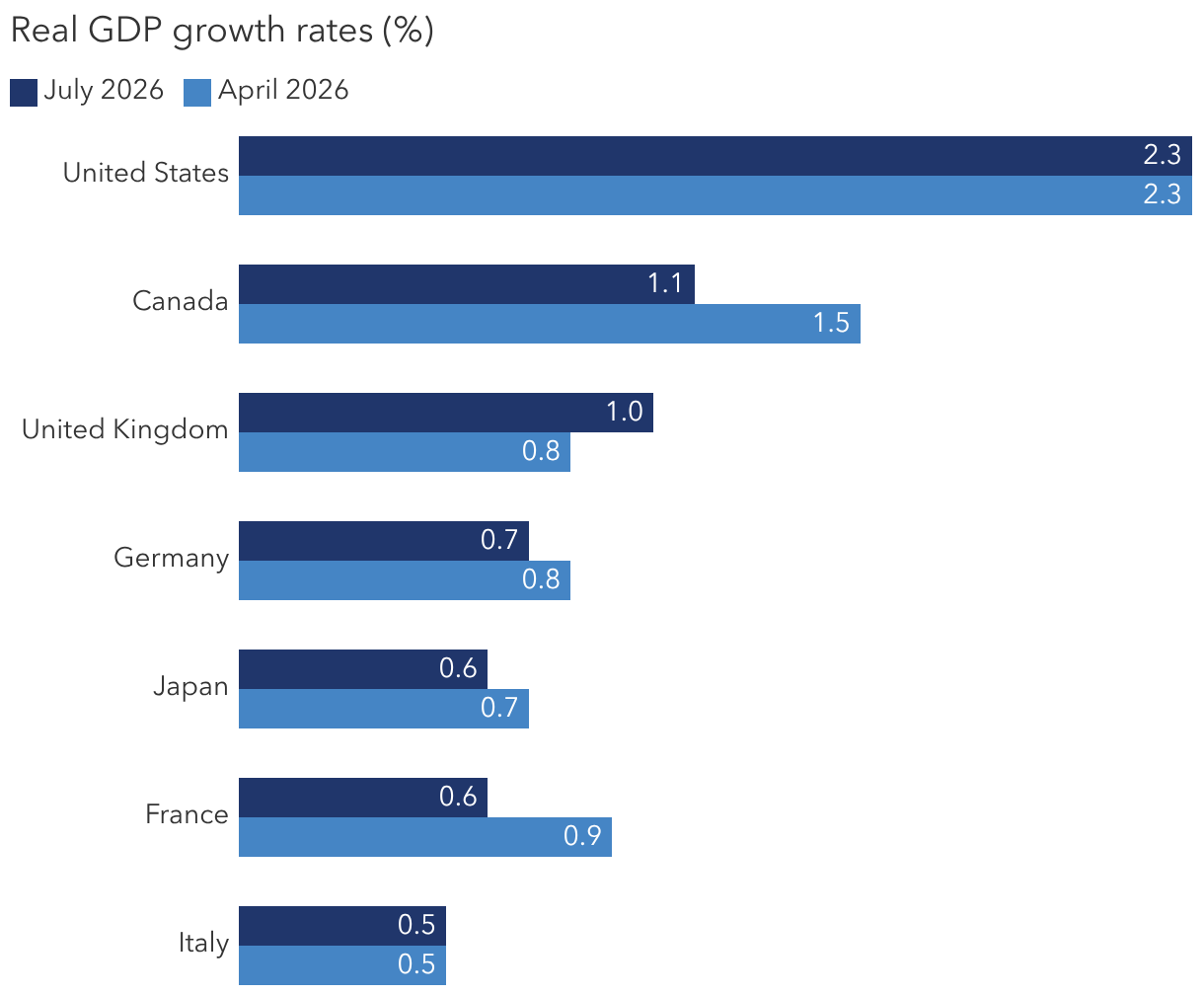
That adds a great deal of fuel to the U.S. economy. Moreover, I don’t think we are measuring the impact of the AI boom properly. It could take years for economists to devise an accurate way to measure this rapidly growing segment. It’s just an educated guess, but I think we may be underestimating GDP growth by 0.5 to 1 full percentage point. How do you measure every instance someone uses an AI token to build a more efficient financial model in a fraction of the time it takes a human to do it? A decade from now, we may find that 4% to 5% growth is a more accurate measurement of what we are experiencing today. Going back to the dot-com era, we have often struggled to measure the economic benefit of bits of data zipping around the world.
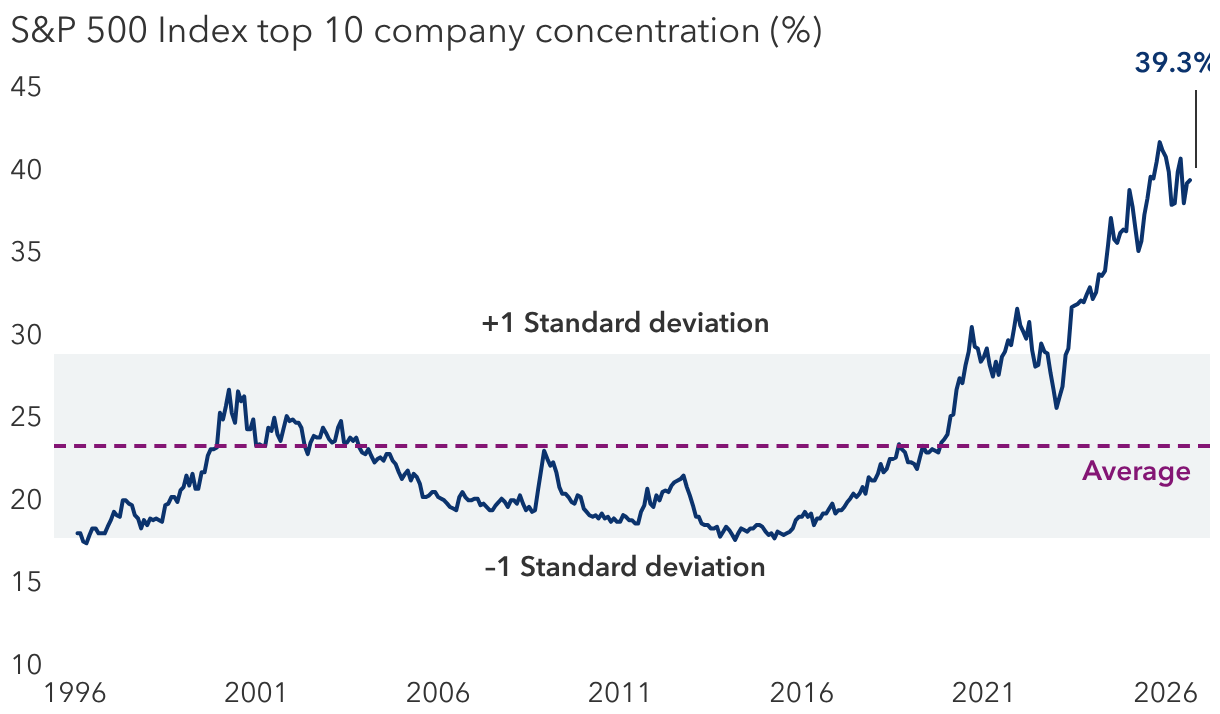
In addition, it’s clear that the giant technology companies spending most of this money view it as existential. The so-called hyperscalers — Amazon, Alphabet, Meta, Microsoft and Oracle — are among the most profitable companies in the world, and they are engaged in an epic race for AI supremacy. Given how high the stakes are, I don’t see any of them slowing down anytime soon.