

Featuring:
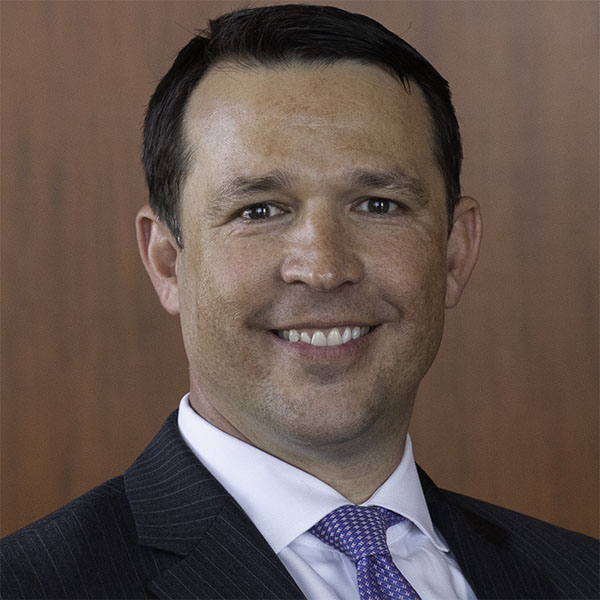
Chris Jenkins
Business Development Manager
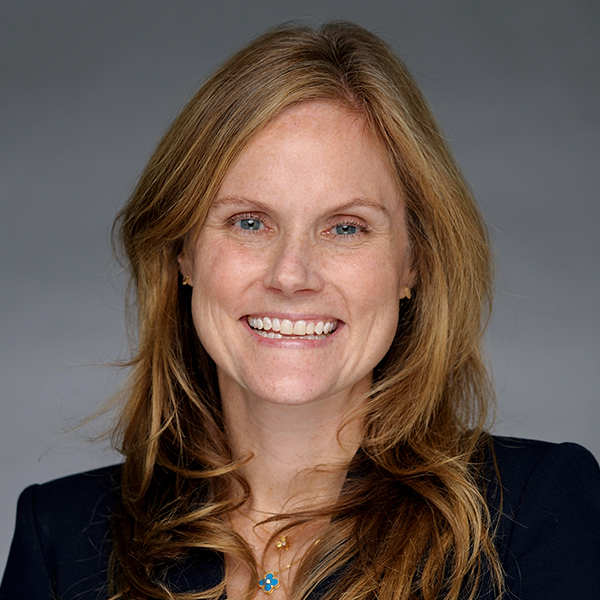
Leslie Geller
Senior Wealth Strategist
Lauren Liebes
Wealth Strategist

Chris Jenkins: Hello and welcome to Capital Group's PracticeLab webinar series. I want to thank everybody for joining us.
It's great to be with you. Our topic today is taxes — wealth planning strategies at tax time.
I'm Chris Jenkins. I'll be joined today by my Capital Group colleagues, Leslie Geller and Lauren Liebes. And we're really looking forward to talking with you today about the role advisors can play in tax discussions and tax strategies. Before we dive in, let me cover some housekeeping.
If you look in the upper right corner of your webinar player, you'll find everything you need, including slides for today's event. One quick reminder on CE credit. In order to get credit for this webinar, you need to stay on for at least 50 minutes, that's 50, not 15, and you should receive your credit by email within five business days. Lastly, before we begin, we love getting your questions and comments throughout the event, and we'll try to answer as many as we can.
You'll find the Q&A tab in the same upper right section of your screen. So with that, let's bring on Leslie and Lauren.
Leslie Geller is a senior wealth strategist here at Capital Group. She has 20 years of industry experience and a law degree from Boston College and an LLM in taxation from NYU. Lauren Liebes is a wealth strategist, 19 years of industry experience, and she has her LLM from Georgetown University with a focus in taxation and estate planning.
So these two know tax law and they know tax strategy. So let's dive in. Let me set the stage, Lauren and Leslie, thank you for joining us. In fact, it's reported that Americans will spend seven billion hours this year on tax filing and reporting requirements to satisfy our friends at the IRS. And we may pick at this a bit as we go through, AI is going to make that easier.
So we've got some opportunity here to start to use some tools. I think this is what's really important, shows that advisors are being asked to provide a range of services well beyond portfolio construction and taxes are a big part of that. So let's start with that one. Leslie, start with you. Why have taxes become such an essential part of the client conversation?
Leslie Geller: Well, I think first of all, Chris, that's why we swapped seats.
Chris Jenkins: That's right.
Leslie Geller: There's just so much opportunity right now in the tax optimization space, both from an investment perspective and a planning perspective. Over the last couple of years, the importance of tax alpha has really risen to the surface and how it's really another source for investment returns. And with that tax efficient investing concept has come more attention to tax planning overall because you can't have one without the other. We also have this "gift" of the One Big Beautiful Bill Act, which was passed last year. And those changes, whether you like them or not, have given us some really great planning opportunities and some speed bumps to avoid. But we've gotten some help from the context of the legislation. And really it's about that opportunity though, that it's out there, it's ready to be taken. And I think that's why, most of all, it's become a huge part of the conversation.
Chris Jenkins: Yeah. Wonderful. And Lauren, welcome.
Lauren Liebes: Thank you.
Chris Jenkins: Your first time here in studio, so thank you for joining us.
Lauren Liebes: Thank you.
Chris Jenkins: Look forward to hearing from you. Let's talk about that opportunity. As advisors are thinking about this, their role in tax planning, I guess without crossing into tax advice. So planning versus advice, what would you share there?
Lauren Liebes: Yeah. I think there's so much value that advisors can add here. First, advisors generally interact with the clients way more frequently than most CPAs and attorneys do. And so advisors are really the first ones to hear about a business sale. If there's a new purchase of a new home, maybe there's a new child coming into the family. And so they're the ones that are really on the front lines, interacting with the clients really frequently and hearing the news first. And so they can help strategize about the whole plan with this new information and then bring in the CPA. So I think that's important. And another thing to think about too is that most CPAs and attorneys are not engaged to do ongoing strategic, proactive advice and planning. Most CPAs are hired and paid to file the annual return, prepare the income tax return.
Maybe you talk once or twice a year to your CPA. And so advisors really can step into this opportunity to do that proactive planning where there's the void that has been left by most CPA engagements. So I think there's a lot advisors can do. And sometimes as well, I've heard feedback from advisors. They get nervous getting into the tax pools you mentioned. They don't want to be accused of practicing tax law, but really they just have to know maybe some of the flags and issue spotting, and then bring in the CPA and attorney. And I think that can really be helpful and valuable to a lot of clients.
Chris Jenkins: Well, the good news, we're going to get into a lot of this today. Yes. So what I'm hearing, issue spotting is strategic. That's the goal for the advisor. So for today, we're really going to explore four key areas of opportunities to truly issue spot, to think strategic with clients. So let's start with individuals. So we're going to do individuals, businesses, tax efficient investing, and then some special situations there at the end.
So let's start with individuals. Leslie, you made a reference to the passage of the One Big Beautiful Bill. So talk about that. I know alternative minimum tax is coming up as a topic. And it's really maybe, as we think about it from an advisor's lens, it's a pivot to more income planning and AMT management's a big part of that. So what are you seeing there?
Leslie Geller: Yeah. It's really interesting because the One Big Beautiful Bill, it's one of those pieces of legislation that the interesting stuff is underneath. It's not so much in the tax rates themselves, but really in the exemptions, in the phase outs. It's this under the radar tax system that can either be a burden or it can be a big benefit. And AMT is one of those examples. And the AMT is one of those things that we spent a lot of time worrying about a decade ago. And when I bring it up to advisors now, there's a little bit of a blank stare, like we're talking about this again? And the alternative minimum tax system is a pain. Anyone who remembers dealing with it, it is an administrative pain and it often results in you paying more tax than you would under the normal tax system.
And what happened and why it's come back as an issue to pay attention to. So back in 2017 when the Tax Cuts and Jobs Act was passed, the TCJA, the AMT system was significantly overhauled so that it no longer hit the vast majority of mass affluent and high net worth taxpayers. We went from millions of taxpayers being subject to the AMT, to a few hundred thousand taxpayers being subject to the AMT with the advent of the Tax Cuts and Jobs Act. So it hasn't been a big issue for most people for a long time. The One Big Beautiful Bill, the good news is it made those changes to the AMT system that the Tax Cuts and Jobs Act brought us, it made those permanent. So that's a good thing. The issue is it put us in a time machine and brought us back to 2018 as far as the exemptions, the phase outs, the benefits of the AMT. And what has happened since 2018? A whole bunch of inflation.
So those numbers are more meaningful than they were in 2018. And so what we're seeing is a lot more people in that mass affluent high net worth bucket are going to have to pay attention to the AMT who haven't had to pay attention for a long time. And so what we're telling advisors is if you have clients with a few little red flags. People between, let's say, 500,000 and a million and a half of income, pay attention, right? People who live in high tax states. So they're paying their California, Illinois, Connecticut, New York taxes. People who have stock options. And then the fourth one is individuals that have certain investments, tax-free. And I hit the options, right? Oh, and then people who have uneven income.
Chris Jenkins: Liquidity events.
Leslie Geller: Yeah. Liquidity events.
Lauren Liebes: Big bonuses.
Leslie Geller: Big bonuses, anything like that. You're going to want to run some numbers now as opposed to later to see if there are things that can be done to either avoid being hit by the AMT, or to mitigate the consequences of being in that.
Chris Jenkins: So it's controlling the income. So we're looking for the controllable, capital gains, large liquidity events, ISOs, these incentive stock options, half a million to a million plus, that's the sweet spot, potentially if they live in large in states that tend to-
Leslie Geller: Yeah, because those are non-preference items. They get added back in for those AMT calculations. So if you're paying a lot of state and local taxes, that could be an issue when it hasn't been an issue for several years. So I think this time next year, my prediction is that we're going to have a lot of people panicking because they're going to find themselves shoved into that AMT tax.
Chris Jenkins: So the suggestion is we went from, your numbers are right, pre-tax, the Tax Cuts and Jobs Act of 2017, we had almost six million or so subject to AMT. Went down to a couple hundred thousand. The current projections on the upper end estimate is north of a million, million and a half. So you're going to have a million more people that are going to have to at least deal with this. But there's several million, they're going to have to consider the impact of it. So a big planning opportunity, excited about that. Let's go back to your time machine reference. Lauren, curious your views. Let's talk about this SALT. So the state and local tax exemption, how are we thinking about that?
Lauren Liebes: Yeah. So this is another thing that's changed under the OBBB. And one thing that's also funny about the OBBB is that some of the provisions took effect last year. So SALT is an example of that.
So taxpayers will start to see some refunds when they file their taxes this year. AMT will not go into effect for 2026. So there's some time, it's going to take us a year or two to fully feel the effects of that. But SALT is something that has changed. And to remind everyone where we started, before the TCJA, state and local taxes were generally fully deductible on tax returns. In President Trump's first term with the TCJA, we had a very strong change and that was a $10,000 limit to the deduction. So now for the OBBB, I'm sure many people remember there was a lot of discussion around this deduction and whether or not there would be a change.
And we did get a very big change, which is up to $40,000 that's deductible. This one's funny because it's for both single and jointly filed. So another funny twist in there for the OBBB. But if you were under the $500,000 mark, then you can fully deduct up to $40,000. So that's really easy. When it starts to get tricky for both advisors and clients is thinking about when you get up over that. So the deduction starts to tick down once you get over 500,000, and then reverts fully back to 10,000 at $600,000 of income. So that crunch zone is relatively small and is definitely something that advisors need to pay attention to. So if you have clients that are in that crunch zone, you want to try to get them as much as you can, as close to 500,000 or under 500,000, so you can get that full deduction of up to 40,000.
Not everyone can do that based on the type of income you have and different structures for taxes. There are some things that we can do. The first is another acronym, PTET, pass through entity taxation. This was created in response to the TCJA by many of the high tax states, and it essentially allows, if you have a pass through entity, so that would be things like S Corp, partnerships, some LLCs, you can take the entity level income tax and pay that. Instead of paying it with a personal return, it's paid at the entity level. And it essentially takes taxes that may not be fully deductible or deductible at all depending on income levels and turns it into a fully deductible expense. So that can be a huge change for someone on their tax return. It can be a little bit different to how it's applied for each state, so it’s important to look into individual state rules.
QCDs (Add new lower third that reads: QCDs = Qualified Charitable Distributions) can also be really great here to help avoid income for those who are charitably inclined, and we'll talk about those in a couple minutes as well.
Chris Jenkins: So it's just this idea of managing income again. The common theme here for advisors is the ability to manage income as best we can. An important note, I think, and with the SALT deduction is that's used modified adjusted gross income is what's looked at there. And as a reminder, municipal bond tax-exempt income will be factored back into that, because in some charitable giving is an example where it's AGI versus modified adjusted gross income. So it's a good opportunity to pay attention to different entities and how things are structured from an investment perspective that will also control some of the income. So good stuff there.
Leslie Geller: And I just want to jump in. That PTET, the PTET workaround, sounds cute, maybe a little too cute, but it's actually been blessed by Treasury. I think upwards of 35 states now have these PTET systems. And every week I am personally and professionally encountering people who should be exploring the use of the PTET workaround here in California and are not. So I think it's still very underutilized and under explored. So a great one to bring up and add some value if you have clients in high-tax states.
Lauren Liebes: That's a really good point. And some of the drafts of the OBBB had prohibited PTETs.
Leslie Geller: Yes.
Lauren Liebes: And then our final draft did not.
Chris Jenkins: And that's not on the list of, there's not a lot of political will because it's a bit of a nuanced approach and there's a complexity to it that-
Lauren Liebes: And it doesn't apply to everyone. You do have to own a pass through business.
Chris Jenkins: That's right.
Lauren Liebes: So, but for those that do, it can be a game changer.
Chris Jenkins: And there are also reasons to own a pass through business outside of the SALT deduction.
Lauren Liebes: Correct.
Leslie Geller: Right.
Lauren Liebes: Right. Yes. Yes.
Chris Jenkins: All right. Let's talk about retirement for a moment. There's this range of things that are happening in that world with HSAs and 529s, ABLE accounts. Again, a catchall bucket here of some interesting planning opportunities. Leslie, how are we thinking about that one?
Leslie Geller: Yeah. So there's a lot of little things happening in this space. And retirement planning and saving for retirement is no longer just throwing things in your IRA or 401(k). There's a lot of different ways to save for your retirement more than there ever has been. And first of all, the last few things we've been talking about, the timing of income, timing of income and deductions, first of all, those pre-tax contributions to retirement accounts continue to be a great way to control income. It sounds simple, but it's still a foundational concept when it comes to saving for retirement. Roths, right? Backdoor Roths for high earners. I'm talking to people about those all the time right now. Again, continues to be a great way. Remember, there's lots of specific rules around how to do that, so you want to make sure you are doing it correctly. We won't get into all of the different pro rata rules and zeroing out and all that, but there's a lot to check the box on there, so you want to make sure that you're doing it with somebody who knows what they're doing.
Setting up retirement accounts for spouses and children, and we're seeing a lot of the reason to have a pass through business or to have a business. If you have kids who are old enough, if you have spouses who are working for your business, employing them so they have earned income, can set up retirement accounts for themselves. It's a great way to save.
HSAs. We've been calling those, Lauren came up with this term, a stealth retirement account. You need to have a high deductible plan, and HSA obviously means health savings account, but it's a great way to put in money pre-tax. The money grows on a tax deferred basis. And then if you pull that money out for eligible health expenses, which include a lot of things, you are not subject to tax on those amounts. So it can be a great way to sock money away to pay for health related expenses down the line. And then actually, post 65, you can pull money out, not be subject to a penalty, and it's basically treated like a normal retirement account.
Chris Jenkins: Let me slowly stay on that for just a moment. There is this intersection now that we're seeing in this broader financial wellness concept. A lot of advisors are being asked to provide insights from an HSA perspective now so this is not a fringe topic by any stretch.
Leslie Geller: Not at all.
Lauren Liebes: No.
Chris Jenkins: Access may be more limited. The investment selection's not controllable. Not sure how you charge for the advice. However, it's an important topic. So this intersection of this broader financial wellness topic is where I think this sits for advisors.
Leslie Geller: Yeah. It's a tool in the toolbox, and you need to pay attention to it, right? Even if you can't necessarily charge for guidance around it. 529s. 529s are a favorite child from a policy perspective. The eligible uses keep getting expanded. We saw that with OBBB. You can now do the 529 to Roth rollover from SECURE 2.0. 529s just kill so many birds with one stone from a planning perspective. They allow you to get money out of your estate. You put it into a place where it's growing on an income tax deferred basis. They're incredibly simple. You can maintain control as the owner of the account. They're a great entry wealth transfer strategy. They also provide a ton of income tax benefits, and because of that Roth rollover option, they're being seen by a lot of people, particularly grandparents, as a great way to jumpstart retirement savings for grandchildren.
And then the last one I'll mention, ABLE accounts. There's been an expansion to the eligibility and increased saving capacity, so millions more people now, like veterans and those with midlife injuries or illnesses can open ABLE accounts as long as that event happens before age 46. So it used to be 26, right?
Chris Jenkins: 26.
Leslie Geller: 26, and now it's up through age 46. So the limit's now $20,000, so not huge, but it is important, and that age bump is pretty significant.
Chris Jenkins: Yeah. And just a moment on ABLE accounts, I don't know that we talk about them enough. So ABLE, Achieving Better Life Experiences, we're good at acronyms, so let's make sure we're capturing that. It's a 529A, it's a type of 529 for disability events. And again, back to the changes from age 26 for the qualifying event now up to age 46. I love your reference to veterans. A lot of folks that are first responders that are injured have an ability now to look back. You don't have to be under 46, you just had to have had a qualifying event prior to age 46. So you could have fought the Second World War potentially and qualify for an ABLE account, so lots of opportunities for that. Thank you for mentioning it. We know that that's important.
And one other reference, I think it gets lost. And I'll make the distinction because an ABLE account is an individual account owned by the individual as opposed to a 529 account. I have the ability, I'm really the owner if I were to set one up for my child. There's some distinctions there. On a 529, we are seeing opportunities here because a 529 can be owned by a trust. You're seeing a lot of planning opportunities come into play with 529s well beyond just the normal college savings. Always an important conversation as we get into that.
Lauren Liebes: I like that you brought that up. I've been getting a lot of questions about that. 529s overlapping with trust. And I think Leslie referenced this that 529s are so great because they have trust-like qualities, but they're not a trust so you don't need to engage an attorney to set one up. So it's really easy.
Chris Jenkins: Yeah. Big opportunity there.
Lauren Liebes: Yeah.
Chris Jenkins: And that continues to grow. I'm on the back end of that with my children, so thankful for College America on that. All right. Let's talk charitable giving, that's a hot topic. Last year, north of $400 billion of individual contributions to charities. I know the OBBB changed that. So how should we be thinking about charitable giving?
Lauren Liebes: This is another area that did not go untouched by the OBBB. The changes aren't totally complicated and we'll get into them, but they can make a really big difference for clients that are charitably inclined. And there is, I will note for those that do not itemize, there is a new deduction. It's $1,000 for those who are single, $2,000 who are married for cash contributions to public charities, so that's great to throw that on top of the standard deduction for those people. But for those taxpayers that itemize, there's a new hurdle in charitable giving. So you have to get over this hurdle generally before you can deduct, and that hurdle is not deductible, and it's 0.5% of income.
Chris Jenkins: So half a percent of my income is effectively given to the government.
Lauren Liebes: Disallowed essentially. Right, so you have to get over that hurdle. This can make a really big difference for clients that have a pattern of giving or perhaps are interested in starting to give, and it can really add up across tax years. This is another topic I think for advisors that traditionally has been a Q4, let's sit at the kitchen table in December and write the checks to charity. And now I think the opportunity is to start talking about charity in Q1 around tax time and really the whole year. But to plan out, if you have a client that falls into this category, is this going to be a year that we give a lot to try to really optimize and maximize that deduction? And maybe next year we take the next year off from giving, so we start to bunch donations in a way.
For some clients, maybe they don't like how that feels, they want to consistently give to their charities each year. I think Donor Advised Funds can play a great role for clients who are interested in that. The Donor Advised Fund holds the money. It grows tax-free once it's in the DAF. You get the deduction in that tax year when you make the contribution. And then over time, the client can recommend where those grant monies go, so that's a great solution as well. And then QCDs that we talked about before-
Chris Jenkins: That's a Qualified Charitable Distribution.
Lauren Liebes: Correct. And so this is a topic that I'm finding coming up a lot and I think is going to become more popular because it totally navigates this deduction. So you can give directly from an IRA, from a retirement account to the charity, and it's great. You don't get the charitable deduction, but you don't have to deal with this 0.5% hurdle. And for those clients that are dealing, as Leslie said, with all the different income levels trying to optimize the taxes, you don't take in that money to income. It can be a great way to work on income management, fulfill charitable goals and interests, and it's relatively easy. I will note that if you do have clients that are interested in using the QCD for RMDs (add new lower third that reads: RMDs = Required Minimum Distributions), you want to make sure there's RMDs left. Some clients take out more than their average RMD. So again, just another opportunity to talk to clients now, and plan that out if QCDs are going to be something that comes into play for them.
Chris Jenkins: A couple areas to explore here. We made the distinction early between modified adjusted gross income for SALT deduction. This is adjusted gross income so recognizing we're going to know the differences there. I guess we're noticing because of the larger SALT exemption amount or deduction amount that charitable giving is really going to start to impact for a lot of families this bunching idea. It's really SALT driven, or not SALT driven, excuse me, just the deduction amount has grown so much with OBBB. Very few itemizers will be left, particularly as you're looking at it from a charity perspective. Fair observation?
Lauren Liebes: Yeah. I mean, I think that it's going to start to become, for a certain category of taxpayers, it could be that they flip-flop. That maybe one year the standard deduction makes sense.
Leslie Geller: Yes.
Lauren Liebes: But in years you have large charitable contributions, maybe you try to move some of your SALT around, sometimes you can prepay your SALT payments, property taxes, et cetera, that maybe you flip-flop. Some years you take the standard and some years you itemize. I will note too, for charitable, this is another provision that is going to come into effect for 2026. So even more important to start talking to clients about it because we didn't have it in 2025.
Leslie Geller: And also, in addition to that little hurdle, we also have this new haircut for taxpayers in that top 37% bracket, and basically how that operates, and that's not just for charitable deductions, it's for all itemized deductions. And what it does is it says if you are in the 37% tax bracket, you only get a benefit for a deduction as if you are in the 35% tax bracket. So it's small, right? But like that hurdle, it can add up over time, and if you are a continuous, consistent charitable giver, it's definitely something that you want to take into account when you are thinking about your holistic charitable giving plan.
And then the QCD thing I just want to mention too, we always say this when we have these conversations, but retirement assets are one of the most tax inefficient assets to pass down. And so if you are looking for places to make charitable gifts from, a retirement account through QCDs is one of the most tax efficient ways to utilize a very tax inefficient asset.
Chris Jenkins: Yeah. My mother-in-law replaced her advisor because the team missed the QCD, and that was enough for her to make a pivot. Two other things on charitable, just one observation and one question, because I want to come back and just explore outside of maybe the OBBB, but charitable remainder trusts, how do we think about those? So I'll come back to that. But for advisors, I would encourage you with all of these changes, I know a lot of us serve, I do on boards, I think it's a prudent time right now to approach boards or charities and say, "Hey, let me explain to you the changes that are happening from a tax perspective because evidence is clear it's going to impact charitable giving in donations, whether it's bunching or utilizing smaller contributions."
I think as advisors, we have a really good opportunity to educate boards who on behalf of the charity that are out raising money every year. Great opportunity from a business development perspective to share what's happening in that space. Charitable giving, charitable remainder trust, charitable lead trust, there's a lot in that world beyond tax savings. We could think of these as diversification techniques, but what are we seeing? Just a couple of things there that we're seeing in that one. Leslie or Lauren, we'll start with you on that one here.
Lauren Liebes: Sure. This is a topic I'm finding comes up a lot as well. I think it's been coming up a lot on the topic of business owners and trying to diversify. I think that those structures can be great for the right client, but you have to be charitably inclined. Sometimes I get that question as a tax mitigation technique, and I think it's great. It can be a tax mitigation technique, but you have to be ultimately comfortable with the end assets, at least with a charitable remainder, going to charity. And those are also really important to run the numbers, bring in the CPA, do a quick calculation, or even maybe on AI, that would be an easy thing to put in. To just do a quick back of the envelope to figure out, okay, what would be the annuity of payment? What is going to either come back to me or go to my beneficiaries and what will ultimately pass to charity?
And then another point to Leslie's QCD to layer on that. If you have clients that are not 70 and a half, but they hold long-term appreciated stock, that's also a great asset to give to charity. Again, for the same reasons, you don't have to take in that capital gain and then you get the full deduction, so that can be another backdoor way to manage income if you're making charitable donations.
Chris Jenkins: A lot of strategy.
Lauren Liebes: Very tax efficient.
Chris Jenkins: A lot of strategy, okay. In a moment, we're going to move the business. We had a few good questions come in. I'll remind you, ask questions, we love to take them. A couple here, so we'll fight over these real quick. Pro rata rules on the back door, Roth, just maybe ... I don't want you to have to get all too far into the math, but just want to be thinking about that.
Leslie Geller: I'm just going to say that we're going to distill it down into one probably oversimplified concept. But before you do that Roth conversion, when you are doing a backdoor Roth, you want to make sure that your traditional IRA accounts are zeroed out, right? They are in 401(k). It is very important. There's no waiting period for that zeroing out to happen, but it is very important. I think it is an oversimplified statement of the pro rata rule without getting into the weeds, but that's the concept.
Chris Jenkins: Yeah. And I think the message there is recognizing there are pro rata rules it's not just as easy as we're going to transition this IRA to a Roth.
Leslie Geller: This one particular IRA rate.
Chris Jenkins: Correct. They're going to look at it as the entire entity, and yours was a strategy to make that really simple, but there could be a negative impact if you have a traditional IRA that others that you-
Lauren Liebes: Could I throw one more thing in since we're on Roth?
Chris Jenkins: Please, yeah.
Lauren Liebes: So not the backdoor Roth, but if you're doing a Roth conversion, this is another area that I think is trickier now given all the different income thresholds. And so I think that also needs to be looked at. Not just are we going to tick up to another tax bracket, but how is it going to impact all of my other thresholds?
Leslie Geller: SALT, AMT, all of these things.
Lauren Liebes: All of it. You don't want to be the advisor that recommends that and then you lose $40,000 deduction for SALT.
Chris Jenkins: Yeah. I work in our Capital Group private client service area, and we've never met a Roth we did not want to convert, or an IRA-
Lauren Liebes: Right, exactly.
Chris Jenkins: ... we did not want to convert. It's an incredible opportunity for that. So here's another one. This one will test not our knowledge, but our willingness to answer the question here, and that is ... It's a simple one, if you gift more than the annual exclusion amount, $19,000, we're going to exclude that ABLEs are $20,000. That's a whole other thing we haven't figured out. $19,000 annual exclusion amount, and I choose to give more than that, we had a viewer ask, how will the IRS know other than filling out a form, gift tax return or Form 709, would they know?
Lauren Liebes: I'm sure ... Leslie, do you want to take this? I can take it.
Leslie Geller: So what's kind of being suggested here, which is true, is that if you are just making annual exclusion gifts, you technically do not have to file a gift tax return. So if you are limiting your gifts to $19,000 per person per year, gift tax reporting freebie. If you're doing anything with bells and whistles like splitting gifts, or if you're making the gifts to certain types of insurance trusts or other ... You're going to want to file a 709, even though you are just making annual exclusion gifts.
If you make gifts in excess of that annual exclusion amount, the gift tax reporting system, like sort of the income tax reporting, it's a self-monitored self-reporting system. So there's lots of ways the IRS could know, I think, is the point. And I will just say that if you make a gift in excess of that annual exclusion amount, it is reportable. You need to report it, and you don't have to pay taxes on it because you get to use up some of your $15 million lifetime expense.
Lauren Liebes: Which is a new thing from the OBBB.
Leslie Geller: Yes.
Chris Jenkins: Take that one. That's the key. We have a married couple at a federal level has $30 million. So if I'm going against-
Lauren Liebes: The highest it's ever been.
Chris Jenkins: I'm going to give a $50,000 gift beyond my annual exclusion amount-
Leslie Geller: It's a drop in the bucket.
Lauren Liebes: Right.
Chris Jenkins: You've got a lot of …
Lauren Liebes: A lot of ways to go. Yeah.
Chris Jenkins: So let's utilize some of that. 529s, as a reminder, I can front load those. We didn't touch on that, but that is another opportunity here.
Leslie Geller: Five-year front loading of annual exclusion gifts. You can also, and you'd have to file a 709 for that, because that's a bell and whistle.
Lauren Liebes: Right.
Leslie Geller: But you're also not limited to annual exclusion gift when you're funding 529s. That is a very big misconception that I know the three of us encounter a lot. You can fund 529s up to the plan maximum. You just might have to use up some of your $15 million exemption.
Chris Jenkins: Great. We'll make it. Wonderful. Thank you for that. All right. Let's transition into working with business owners.
Geez, 30 years ago, Capital Group, we started our initiative working on the retirement plan side. So we have a lot of experience working with business owners here. And with passage of OBBB, some really interesting opportunities. Lauren, let's start with you. And again, keeping our income planning hat on as we go down this road, but I know you've got some ideas.
Lauren Liebes: Yes. More income tax planning. So the first thing that comes to mind when I think about one of the biggest changes for OBBB for business owners is QBI, qualified business income deduction. And the background on that is that in the TCJA, the corporate income tax rate was reduced and the QBI deduction is an attempt to give parity for pass-through entities that we've been talking about all morning. And so it's a 20% deduction and it was set to essentially phase out over time for the TCJA, but the OBBB has brought it back and has brought it back permanently. So that gives us permanence in terms of planning this year and going forward. So that's really important to think about.
For QBI, if you have clients that are business owners, now is the time again to bring them in. It's a great opportunity to talk about income planning and also to look at the way the entity is structured. How does the income flow? Who are the owners? Is there a way to optimize the structure of the business to really maximize and get that full QBI deduction? Another good time to bring in the CPA as well to help with calculations for that as well.
Chris Jenkins: That's back to the strategy idea for the advisor.
Lauren Liebes: Back to the strategy again.
Chris Jenkins: Let's make sure we're thinking about ... I will make a reference here with QBI, the qualified business income deduction. We're seeing a lot of increase in ... So above the line items to bring down income, cash balance plans in the retirement plan world are incredible if they fit. And when they work, they work really, really well. But retirement plan benefits that are above and beyond normal ... Plan design, but cash balance are an easy one to talk about. So make a reference to that. Leslie, you've got a interesting one here that has got some new ... I won't say new life, but some, I guess an expansion with the OBBB, which is the qualified small business stock sale, a 1202.
Leslie Geller: Yeah. Section 1202. So QSBS, qualified small business stock, this is nothing new. It's been around for decades, I believe.
Lauren Liebes: Long time. Yeah.
Leslie Geller: Been a big favorite of the tech startup crowd. And what it is it's basically a big gain exclusion upon the sale of a certain type of stock in a certain type of company, a qualified small business, right? Qualified small business stock.
Pre OBBB, that gain exclusion amount was $10 million. Now it's $15 million, so a significant bump. The rules around what you need to do to qualify as a qualified small business and for the stock to qualify as QSBS have also been loosened, as far as holding period and the asset value of the company for it to qualify as a small business. So it is able to be used now by more people.
It is a massive tax benefit when it applies. And so the mandate here is if you have a client who has an ownership stake in a business or owns a business, has started a business, and they plan on selling that business in the next medium to longer term, you are going to want to sit down with them and their accountant or tax planner to see if their business and the stock they hold qualify under the QSBS provisions. The big limitation is that it has to be a C corporation, right?
Lauren Liebes: Right.
Leslie Geller: Seems like that might disqualify a lot of people that have pass-through entities, but if that sale is going to happen enough in the future, there are ways to change the structure, do some planning to maybe make part or all of that business a C corporation so that you do qualify for QSBS treatment. So kind of a niche issue, but for the people that it applies to, it is a huge opportunity. So worth bringing up and exploring.
Chris Jenkins: Well, that's a quick question that we ask a lot. Do you qualify for a small business stock sale? And if not, is there a pathway? And for advisors, that's a big issue there. Is there a pathway for you to make a transition where you would qualify? There are cottage industries of legal and tax professionals that would be more than willing to help you figure that one out. Not us, but we recognize that this idea of a qualified small business stock sale is a big one.
And again, the Exit Planning Institute, they report that 75% of business owners over the next 10 years have professed a willingness or an ability to sell their business. And a notional value that's around $14 trillion. (Source: https://blog.exit-planning-institute.org/a-decade-of-development) So a lot of money's going to be in motion from an exit planning perspective. Qualified small business stock sales are a big part of that. So a lot of opportunities with business owners, continue to engage and again, a long history here.
All right, let's switch gears. We're an investment management firm. Let's talk tax efficient investing here. I guess no Capital Group conversation would be complete without it. We talk a lot about asset location, but tax drag happens across a variety of asset classes and starting to be a hot topic in your reference earlier today to this idea of tax alpha. This is a comfortable place for a lot of advisors to sit. First two topics, maybe not as much, but now we're starting to get into the pocket here, into the sweet spot from a tax planning perspective, but a lot we can learn, gain some insight from your conversation.
So Leslie, let's start with you. How are you thinking about this idea of tax alpha as it relates to tax efficient investing?
Leslie Geller: Yeah. I think we're starting simple. And you said it first, Chris, I mean, asset location, you can do so much with just being thoughtful about asset location.
Leslie Geller: Generally speaking ... Yes. That's the general rule as far as asset location. The less tax efficient assets should be in your qualified accounts, right? I'll say it that way. But vehicle choice is also just as important, right? ETFs, SMAs (Add lower third with two definitions as follows: ETFs = Exchange-traded funds; SMAs = Separately managed accounts), mutual funds, right? We now have all of these different types of offerings, right? Not just us, any asset manager has all of these different types of offerings for similar forms of investment, right? And not everyone is going to have all ETFs or all assets. It's going to be a mix of those things.
So the third thing I really think about around tax efficient investing is looking at things from a holistic perspective and looking at things on a client specific perspective because there's really no hard and fast rules or one size fits all portfolio when it comes to tax efficient investing for anyone. And like the planning side of things, this is a big opportunity for advisors to add value in this space.
Chris Jenkins: Lauren?
Lauren Liebes: Yeah. So I think another great place for advisors to add values that the CPAs are not really talking about is thoughtful rebalancing and not necessarily doing that once a year and not keeping it on autopilot, but it's something that should be talked about once a quarter or a couple of times a year. And you and I were talking yesterday about this concept of hard rebalancing and soft rebalancing.
Chris Jenkins: Sure, yeah.
Lauren Liebes: Hard rebalancing is when it's tough. When you have to sell some assets and maybe take the tax hit, but you want to put it into either a different asset class or maybe a different tax profile. Soft is when, let's say you have some dividends that come in, maybe you don't put it back into mutual funds, maybe you choose to put that into ETFs. And I think that can really add value and clients appreciate that type of touch.
And another thing that I think is really important, quite a hot topic is tax loss harvesting. Software makes it relatively easy now to do that and you can do a tax loss harvesting overlay on a bucket of stocks. It doesn't necessarily need to be direct to index. It can be actively managed as well. And so that can really add value. And I think the theme that we've been touching on is that if you can save clients area in taxes, let's say you save $1,000 or $5,000, it can be harder to make up $5,000 in the market than it can in saving taxes. And I think that's the way to clients’ hearts.
Chris Jenkins: Yeah. Well, and sometimes the visceral reaction, just the idea of paying taxes ...
Lauren Liebes: Yeah. Nobody wants to do it.
Chris Jenkins: Let's be thoughtful.
Lauren Liebes: Yeah.
Chris Jenkins: And again, I think it's an important call out there, this idea, we hear the term and you made a reference to it, this idea of direct indexing. It's so broader than that now. It's this idea of tax optimization, fractional shares, technology, who knows where AI is going to take this, the ability from a planning perspective.
An interesting opportunity has come up. We launched last year with KKR, a private partnership where it's private market. So the income of that is fully taxable. And it was interesting, curious, we started to see a lot of opportunities where advisors were engaging us on taxable accounts with a high income distribution, trying to reconcile that. And what was revealed to us in those conversations is the, if I have a loan, if I'm an investor that has a loan against a position, my interest is deductible only against taxable income. So we're seeing advisors that need more taxable income just to offset the interest expense. So there are some quirky rules here.
Leslie Geller: Also, if you layer in trusts, let's say you have a trust that requires the income distribution. So income is going to be taxable anyways. Thinking about tax efficiency when you have that context is very different, just like you were talking about, which goes back to my point that this is not a one size fits all. It's not just about asset location or vehicle selection. It's really about the client's profile and specific tax goals that's in front of you right now.
Chris Jenkins: And a great question came in, maybe I'll take the first stab at it and then ... The question was, key characteristics ... And a couple of these actually in similar vein, the key characteristics of a tax efficient portfolio. So I'll tell you, and there's a white paper on Capital Ideas that touches on this topic, I'll give you three. And it's sort of this art and science of tax efficient investing and the art, it's easy to remember. So key characteristics. And we've hit on these, but I'll just put it in a mnemonic here, but this idea of ART, so asset location, asset allocation, how am I moving assets between different products? ETFs, separately managed accounts, mutual funds are still certainly viable. So A, that's that sort of asset location.
R is rebalancing. You hit on that one, right? Soft rebalancing, hard rebalancing. How am I recognizing the ability to manage from a tax efficient basics through rebalancing? And then T is tax optimization. So for the viewers out there, ART, easy way to remember it, asset location, rebalancing, and tax optimization. That's an easy way. Anything you'd add to that or feel right to you?
Lauren Liebes: I think that's great.
Chris Jenkins: All right. We like that one. All right. All right. So tax efficient, incredible, important message here from an investment perspective. All right, final kind of broader view, let's talk special situations and residency planning is a hot topic right now.
Lauren Liebes: Hot topic, yes.
Chris Jenkins: Every day there's new reports of states, I think Washington state made an announcement last night, if not this morning, on how they're thinking about it. In fact, there's a U-Haul index now that measures one-way rentals, no surprise to our viewers, probably which states they're leaving. I live in the great state of Tennessee and we're certainly on the receiving end, but Leslie, start with you. How are we thinking about sort of residency planning and the role of states from a tax perspective?
Leslie Geller: Yeah. I mean, first of all, just acknowledging that there's a ton of action from a state and local perspective when it comes to tax legislation, particularly in bluer states, right? There has been an attempt to find new and different ways to tax particularly high earners and high-net-worth individuals. We've all seen the news over the last several months, all these billionaires leaving California because of this, it hasn't even been implemented yet, but this proposed billionaires tax, a lot of them moving to Florida, which is a no tax state. So I think we have a lot of action from the state and local governments, and I think we're going to continue to have that action. And so, I think this is going to be an ongoing theme.
There's also, with states that have these higher taxes, planning to avoid these higher taxes can be tremendously, tremendously beneficial and make a huge difference from a tax perspective. I mean, if you're talking about California and you can figure out how to avoid that 14% income tax by leaving the state or moving the assets out of the state, that is a big win if you're talking about millions and millions of dollars of income. So I think it's just an area where we have a lot of activity, and so people are moving themselves and moving assets to plan around it.
Chris Jenkins: Lauren?
Lauren Liebes: Yeah. So I think this is another area where advisors can add so much value. Advisors may be the first professional that hears that the family or the client is interested in moving before the CPA and the attorney. So when thinking about moving out of state, some clients think, "Oh, I'm just going to buy the house in Florida and call it a day," and we all know it's more than that. You have to give up the country club membership in California and maybe get a new one in Florida, you have to move your driver's license, move the kids to a new school permanently in the new state, voter registration. So it's a lot of different things that have to happen, and I think the advisors can really be on the forefront of that conversation, helping guide clients. Because sometimes, when they hear, "Oh, I have to move my kids too to a different school in a different state," some clients may change their mind about that. So I think that's an important, as Leslie said, really personalized conversation that advisors can help with.
And to follow also Leslie's point about state-level taxation, I think the high earners and the high-net-worth clients really expect also not just federal tax help with mitigating taxes, but also helping at the state level, and there's a lot to talk about there. I think in terms of trust planning, for the right profile client, that makes sense. There's some great irrevocable trust structures. Many of them have been blessed as well by Treasury and can really help mitigate state-level income taxes for those trust structures. Obviously, it's more sophisticated, complicated planning, you want to bring in the CPA and the attorney. But that can really make a difference, particularly if it's legacy money that the family wants to leave for many generations. There can be some great advantages to setting up maybe the money in a different state than where you live.
Chris Jenkins: All right. Closing session here. Now, these are interesting. We've already had questions related to them. I guess they peeked ahead at the slide. So maybe some new and evolving topics that are out there. Lauren, we'll start with you. These Trump accounts we're hearing about, so walk us through them.
Lauren Liebes: Okay. So Trump accounts are a new type of account that were established under the OBBBA, and it's another tool in the toolbox when thinking about giving assets to minors. They can be opened up for children who are under the age of 18, you use Form 4547. I know Treasury has already received millions of those forms already. The accounts, however, cannot be opened until July or funded. I did see a question that came in on that. We have gotten preliminary guidance on Trump accounts, and we actually just got some additional guidance last week, but we expect more. And it's just proposed, so we're still waiting on a lot more details about how those will run, so a lot of questions there.
We do know that Trump accounts can be funded by a variety of different either institutions or people. So individuals can give money to Trump accounts, employers can put money into Trump accounts. The federal government, if you're lucky enough to have had a baby, either last year or until 2028, you'll get $1,000 from the government if you open up a Trump account. And there has been some charities that have said, for certain types of children and certain zip codes, they could qualify for different gifts as well into the Trump account. So still a lot more to learn on the logistics of how those are going to run, but a new account. And we also have been talking a lot about it, we've been getting a lot of questions from the field, and we're working on a piece that will compare Trump accounts to the other different types of either custodial accounts, 529s, other types of ways to give to minors to help advisors. So that should come out this spring.
Chris Jenkins: So more to come.
Lauren Liebes: More to come, yeah, as we're learning more.
Chris Jenkins: Building the bridge as we walk across it.
Lauren Liebes: Yes.
Chris Jenkins: The form is easy to understand, by the way, the 4547. That was Trump's presidency, so that's why it's 4547.
Lauren Liebes: Yep, exactly. Easy to remember.
Chris Jenkins: All right. Crypto, I'll take the crypto one. That's a fair one. Here's the headline for crypto, "Crypto ownership now exceeds stock ownership for Gen Z." Well, why does Gen Z matter? Well, we have $124 trillion of wealth that's going to transfer. Their view of investing is different than maybe their parents or their grandparents. So we're seeing this come up, advisors are getting brought into this. In fact, my son has 38% of his portfolio broadly in alternatives, so not just crypto, broadly alternatives. He's a sheriff's deputy in the state of Tennessee, and it's the state pension plan, so he doesn't know he has it.
But you're seeing this rise of non-traditional investments in this group. From a tax perspective, a couple of things to think about there. Number one, these are not securities, these are capital assets, so we have to view, from a tax perspective, a capital asset. And as advisors, big changes happened last year, they issued a 1099-DA, digital assets, where they're reporting the proceeds from sales. So now, custodians of digital assets are reporting on sales. So there is a record, maybe back to the 709 question earlier, there is a record of this, and in 2026, so for, I guess, January of this year and for next year's tax filing, they're reporting cost basis as well. So planning opportunities there from a crypto perspective that offer up tax loss harvesting.
In fact, on that theme, just this week, a report came out that, back to these Gen Zs, and again, these are going to be the inheritors of wealth so we have to meet them a little bit where they are, that 32% of Gen Z now are acknowledging sports betting and prediction markets as an investment vehicle for 2026. Now, we would all take exception to that being an investment vehicle, but just recognize it. There'll be tax implications of that as well. So lots to talk about there, it's a big topic. And then, opportunity zones came back. Leslie, hit that one.
Lauren Liebes: Yeah.
Leslie Geller: Yeah. Opportunity zones were something that were passed on a temporary basis by the Tax Cuts and Jobs Act, basically a mechanism to defer gain when you sell a highly appreciated asset if you invested the gain from that sale in a qualified opportunity zone, which were these different designated areas of the country that needed an economic boost.
The first round of opportunity zones was set to end at the end of 2025. The OBBB basically made opportunity zones permanent and gave us this second tranche of opportunity zone investment that will start next year. It did not take off, I think, like people expected on the first round. They made some tweaks to it for the second round. I think it's still pretty specific. But if you have somebody who has a highly appreciated position that they would like to diversify out of, and they are okay and interested in real estate investment, opportunity zones may be a great thing to look at to prepare for this new round that's coming out next year.
So I think there's a lot of support for it on a bipartisan basis. Like last time, I think there could be some good momentum behind it, so something to pay attention to and something that we're watching.
Chris Jenkins: Yeah. And I think broadly, that brings to light there's just a lot of uncertainty policy decisions. We do our best, we have a large presence in Washington, D.C. on behalf of our advisors and our shareholders to pay attention to these, the impact it's going to have, whether it's Trump accounts or crypto or opportunity zones, again, capital ideas, we will continue to help you as we move through that.
So look, let's start to close out. We've got a couple of good things here at the end so hang with us here. A lot of these conversations, when all is said and done, a lot more is probably going to be said and done. So let's think about what's one big takeaway, Leslie, that you think, we've said a lot here, advisors moving forward, and then Lauren, we'll just pivot right into you. So Leslie?
Leslie Geller: Yeah. I mean, I think it's being proactive here, right? So often, it's just bringing up the idea to the client and the CPA. And we love CPAs, but like Lauren explained, their business model is not designed to capitalize on that proactivity. So there's a huge opportunity here, and I'd encourage everybody listening to really take advantage of it.
Chris Jenkins: Lauren?
Lauren Liebes: Yeah. I mean, just to second what Leslie said, I think thinking about expanding an advisor's practice and deepening those client relationships, this is a great gateway, because you're asking questions about sales of business, other things, and that brings up, "Oh, do you plan to retire soon? Tell me more about your family." And this is just a great way to really grow and deepen their relationships and make them sticky.
Chris Jenkins: Yeah. And my closing thought's a simple one. I first joined Capital in 1994, and if you go back to 1994, if you probably go back to 2004 or '14, that the advisor role, it was more access, execution, and advice. It was access to a market, execution of a trade, hopefully an American Fund then, and advice on what to buy and how to allocate it. But access and execution clearly are free in the marketplace. Advice is really the offer, and it's these conversations, tax planning, that the evidence is clear that investors are looking for. And again, Capital's view of this, we want to be the best thought partner we possibly can on that journey with a partner of choice, not just for the investing side, but the business side, a lot of our webinars focus on that, certainly here in the PracticeLab, and that makes a difference.
So a few quick notes in closing. We have a lot more insight, as I referenced, and thought leadership available from Capital Group, and this slide gives you some links to additional content.
Also, mark your calendar for the next Capital Group webinar, Thursday, April 2nd. This should be a good one on artificial intelligence, AI bulls and bears. I do think we will have real people in the studio for that one. But I want to thank everyone for your engagement, great questions. It's because of you that Capital was voted number one for thought leadership for the sixth time in a row.
And finally, I want to thank Leslie and Lauren for your great insights, and I hope all of you found this as interesting as we did and stimulated some conversation amongst ourselves. Thanks again, and enjoy the rest of your day.
1 hour CE credit for CFP, IWI and IAR*
Do you know how the latest tax changes may impact your clients?
Join us for an exclusive webinar where we discuss the latest changes to tax and regulatory policies out of Washington and share actionable insights for smart tax planning now and in the future. Our panel of wealth specialists will explore changes with OBBBA and talk about new tax tactics for advisors that may impact your clients.
Discover what top advisors are talking about now, from tax efficient investing to business planning ideas that your accountant might miss. Explore state tax issues and planning opportunities as well as trust planning options for the year ahead.
Event date:March 12, 2026
Chris Jenkins is a private wealth business development manager at Capital Group Private Client Services, part of Capital Group. He has 33 years of investment industry experience and has been with Capital Group for 18 years. Prior to joining Capital, Chris was a vice president at Franklin Templeton Investments. He holds a bachelor’s degree in finance from the University of Memphis. He also holds the Certified Investment Management Analyst®, Certified Private Wealth Advisor® and Certified Exit Planning Advisor designations. Chris is a member of the Financial Planning Association, and is a member of the Investments & Wealth Institute, where he serves on the editorial advisory board. Chris is based in Franklin, Tennessee.
Leslie Geller is a senior wealth strategist at Capital Group. She has 19 years of related industry experience and has been with Capital Group for seven years. Prior to joining Capital, Leslie was a partner at Elkins Kalt Weintraub Reuben Gartside LLP where she advised high- and ultra-high-net-worth clients on all matters related to taxation, wealth transfer and family governance. Before that, she was an associate at Cleary Gottlieb. She received an LLM in taxation from New York University School of Law, a juris doctor from Boston College Law School and a bachelor’s degree from Washington and Lee University. Leslie is based in Los Angeles.
Lauren Liebes is a wealth strategist at Capital Group. She has 18 years of related industry experience and has been with Capital Group for one year. Prior to joining Capital, Lauren worked as a wealth planner at Citi Private Bank. Before that, she worked as an attorney with the Tax and Estate Planning Practice Group at Sheppard Mullin Richter & Hampton LLP. She received an LLM in taxation and a certificate in estate planning from Georgetown University Law Center, a juris doctor from Southwestern Law School and a bachelor's degree from Boston University. Lauren is based in Washington, D.C.