

Featuring:
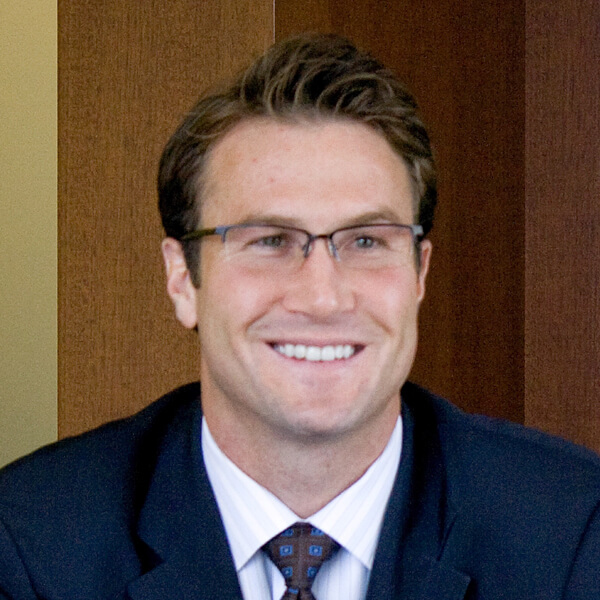
Shaun Tucker
Director of Practice Management
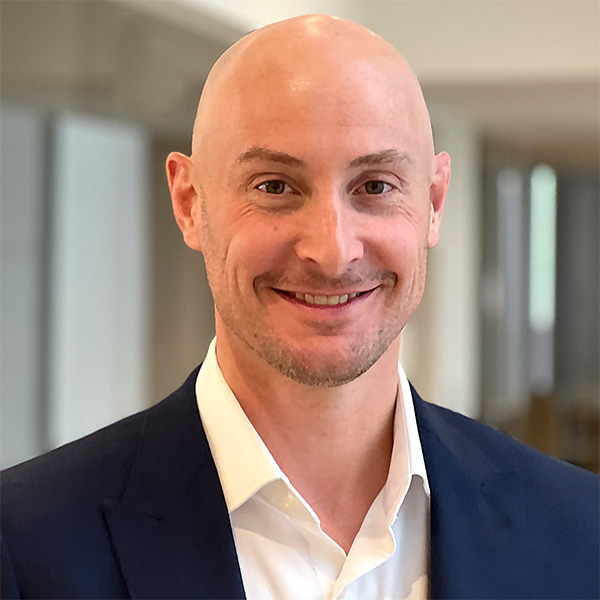
Jon Wainman
Advisor Practice Management Consultant

Wassan Kasey
Advisor Practice Management Consultant
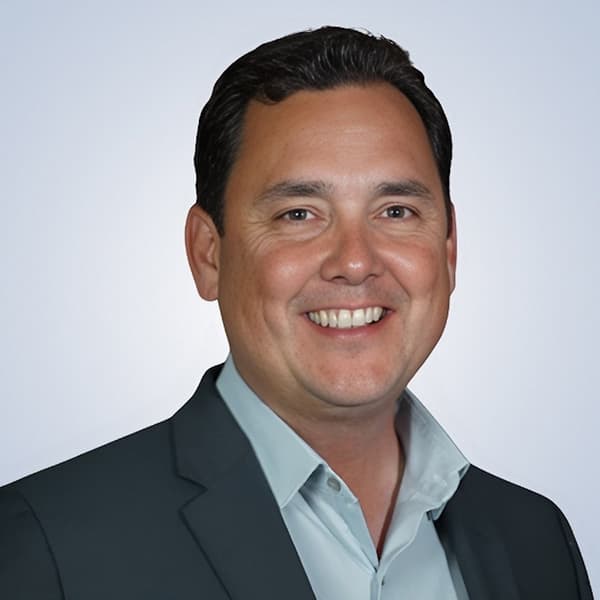
Jason Gordo
President and Co-Founder, Modern Wealth Management

Shaun Tucker: Hello and welcome to our PracticeLab webinar series. I'm your host, Shaun Tucker. I'm the director of practice management here at Capital Group, and I just want to thank everybody for joining us today. It's great to be with you.
Shaun Tucker: Our topic today is client engagement strategies that help drive sustainable growth. And we have a terrific panel today to discuss this ever-important topic. And we're going to share some practical and actionable ideas to help you take your client acquisition efforts to the next level. And I think you're going to be really excited about what you hear. Before I introduce everyone on our panel, let me cover some housekeeping.
Shaun Tucker: If you look into the upper right-hand of your webinar player, you'll find everything you need, including slides for this event. We also want to remind you that a replay of this webinar will be live in about two weeks. So look for that and please do share it with colleagues and friends. Also, we love getting your questions and your comments throughout the event, so please do provide them. We'll try to answer as many as we can throughout the hour and include saving some time at the end of our program to take more. You'll find the Q&A tab in the same upper right-hand section of your screen. Related, if you have any technological problems, please let us know in the Q&A window and we'll try our best to get you squared away. Okay, so with that, let me introduce our terrific panel.
Shaun Tucker: And I'm going to begin with Wassan Kasey to my left. My colleague, Wassan, is an advisor practice management consultant at Capital Group. Wassan provides consulting services to some of the largest RIAs in the country, talking about things like scaling your practice, leadership, business transitions to name a few. She has 22 years of industry experience and she's been with capital now for eight years, based in Los Angeles.
Jon Wainman, to Wassan's left, is also an advisor practice management consultant at Capital Group. He's a coach. He provides practice management consulting to top advisors and their teams across the country. And he brings a specific expertise to helping those advisors and teams grow their retirement plan businesses. Jon has 22 years of industry experience and he's been with capital for 13 years.
And then last and certainly not least, our special guest, Jason Gordo. Jason's joining us from Monterey, California. Jason is the president and co-founder of Modern Wealth Management. It's a $12-billion RIA with 19 practices under its hood and growing fast. Jason has a great story that he's going to get into throughout the course of our conversation, but prior to joining the founding team at Modern Wealth, I wanted to detail a few other things in his distinguished background.
He was managing director at Goldman Sachs Personal Financial Management, where he was head of advisor growth. He was also part of a $25-billion RIA, United Capital, that sold to Goldman Sachs. And before that, Jason was the co-founder of Valley Wealth, Incorporated, which was a wealth management firm that was named to the Forbes magazine's list of fastest-growing RIAs.
So Jason, welcome, great to have you on the program, Was, Jon, welcome as well. And with that, why don't we dive right in and, as ever, it's great to begin with a story. And so Jason, I'm just going to ask you to begin by telling one story in particular. You have an incredibly impressive background. It speaks of growth all throughout it, but let's just talk about this one story about you were effectively retired before you then came back into the business to start Modern Wealth. Tell us that story, what brought you back in and why?
Jason Gordo: Well, thanks Shaun for having me and the other guests, great to be here with you and thanks to Capital Group for putting this together. I think the content you put out is always fantastic and very valuable and useful for advisors. All right, so I thought I was out. I thought I had made it and was out of the industry. And I remember I was sitting in my living room one day, I live as you mentioned in Monterey, and my phone rings and it's one of my former colleagues, Mike Capelle. And he says, "Hey, what are you doing?" And I said, "Well, specifically I'm sitting in my living room, watching a whale feast on some anchovies out in the bay." And he goes, "No, no, no, no, that's not what I mean. What are you going to do in business next?" And I said, "I think I'm just going to go mess around with some real estate."
My wife and I own some rental property and we'd built a couple of homes and I really thought that's what I was going to do next. And he said, "You will be bored out of your mind very quickly. No, what are you really thinking about?" And I had a business idea that I had been rolling around in the back of my mind, but I had never said it to anyone. I hadn't said it to my wife. I'd talked to the dog about it when we'd walk in the afternoon, but I hadn't talked to another human being about it. And he said, "Well, what are your thoughts? What are you thinking about doing?" And I gave him, I said, "Look, I haven't told this to anyone, but here's 30 seconds on what I'm thinking." And I get all done with the idea. And I said, "What do you think?"
He goes, "I think that sounds awful." And I said, "Well, now that I've said it out loud to another human, I agree. That doesn't sound like I would have any fun at all." And he said, "Well, have you talked to Gary?" our other co-founder, Gary Roth. And I said I hadn't. And he said, "Let's get together for lunch." So we did. I mean, just three friends got together for lunch. We'd all recently left Goldman Sachs. Mike was the first one out of the door, then Gary, and then I was kind of midsummer of '22.
And we just got together for lunch in Southern California and we had a yellow pad. And on the left side we wrote what worked really well in our prior companies and anything we'd been involved in, what didn't work so well, what were some of the "we're going to avoid that at all cost" things. And then across the bottom it was who's doing something interesting in the industry that we could either emulate or acquire or add to our business? And that literally was the kickoff of what ... That was the kernel for Modern Wealth Management. And I was hooked, man. I was right back at it. I was energized. I remain energized. I'm super excited that Mike called that day and got the three of us together at that lunch table and what we've been able to accomplish in a very short amount of time.
Shaun Tucker: No, that's an inspiring story, Jason. It's amazing how many great ideas for companies started on the back of a cocktail napkin or on a yellow pad and asking questions like, what would we do differently? Who's doing something interesting? What's a problem to solve in the world?
It's related to our topic today around client acquisition. We need to demystify this. I think so many advisors just consider this to be an ever-present challenge. They can never quite get in front of it. It's not a core competency. So that's the topic we're going to get into today. I think you've been masterful at this throughout your career. Let's begin with a quick poll. So for everyone in the audience, you're going to see a QR code flash up on your screen. If you could scan that, and it's going to allow you to select your top three responses based on this question.
So here's the question that we're asking in the QR code. What do you find to be the most challenging part of client acquisition? Is it prospecting? Is it branding, marketing, referral strategies, centers of influence, and then the all-important ROI? Getting an ROI from all of this client acquisition stuff.
So we're going to wait for the results to come in and maybe I'll just engage the panel real quick. Any thoughts on what the top three will be? Or is there something that should have been on that list that isn't on the list? And feel free to fire away if anyone has any thoughts as we're compiling results.
Wassan Kasey: I'll start. I think definitely prospecting probably is on the list. Not sure Jon, Jason, what your thoughts are, but that seems to be my guess.
Shaun Tucker: Okay.
Jon Wainman: Jason, any thoughts from you? I can chime in second if you want.
Jason Gordo: Yeah, no problem. I think prospecting will be the number one. I think that's a challenge, but I don't think it's the challenge. I think getting in front of people is a challenge, but getting people to move in the direction you want them to move is a bigger challenge. So I think sales skills, right? It's not quite on here, but just developing your story and your why. Why are you in this business? Why do you do what you do? And why should somebody follow you? Why should they take the advice that you're providing?
So I think it's not on the list. I think prospecting is right, number one. That will come back. But a lack of sales skills industry-wide, I think, will creep in. The wirehouses did an awesome job, and we can talk about this later at training advisors on how to do exactly that, get in front of people and get them to say yes. And in the RIA space, even in a lot of the broker-dealer environments, that sales training doesn't exist today. And I think that's a big one.
Shaun Tucker: Yeah, I think there's a lot there. First of all, acquiring talent that you think has the profile for being adept at sales skills and then teaching and training them. And then the all-important value proposition, which we will get into.
Let's see if the results are coming in and we can evaluate what prevailed as the top three.
So as predicted, prospecting number one, referral strategy two, we're also going to talk about that, and COIs, and actually we'll be covering all of these. But really interesting and great call-out on sales skills and value prop. That's really good.
So we have some data. I just wanted to mention our Pathways to Growth Advisor Benchmarking study. Maybe those in the audience aren't a stranger to that, but it does show that client acquisition continues to be a pervasive need, even among the most high-growth advisors out there.
So in this survey, if we look at some of the results, and we'll show it on the next two slides, marketing shows up as an area of great need for average advisors. And then one that scored lowest among all advisors was referrals. But you can see that all of these are areas, I think my big takeaway, that advisors think they need to do a better job at. So that's really the key here, is that as great as top-growing advisors are, they consider client acquisition to be an area that they need to improve.
And so we're going to keep leaning in there. Some key areas that are critical in unlocking your potential here is having processes. And we're going to talk about the importance of systems. We're going to talk about the importance of goals and KPIs. We're going to talk about measurement, accountability and adjustment that comes from that accountability.
So let's dive into all those skills and let's get into our first topic for today, which is really building this foundation for client acquisition. And Jason, I'm going to go to you first, and we'll probably stick to this order throughout the course of our discussion today.
But we have a few fundamentals that we always espouse when we talk to advisors about building this foundation for client acquisition. And four come to mind. So I'll go back to what I said earlier.
Number one, have a really sharp value proposition. You said it well, Jason, your why. Number two, have a focus area, a niche that you want to go after that you really think you can align around and solve a problem around. Number three, defining your practice goals. And then number four, having a solid marketing plan. And I doubt you'll disagree with any of those, Jason, but when we were preparing for this call, you told me about a firm that you recently acquired that was doing all of these things really well. Can you tell us a little more about that story and get into some of those specifics?
Jason Gordo: Yeah, and before we ... I'm happy to go there. I think that's a great question and something we didn't talk about. But in the industry, in the RIA space, industry experts, depending on who you believe, they all kind of center around the same thing.
Organic growth in our industry is really, really light, right? It's 2 to 3% depending on whose report you read. And that's kind of dreadful, right? That's not a growing business, that's just, you're stuck on the treadmill because clients are going to distribute money, they're going to leave, they're going to spend their money.
How dare they use their money? But if growing at 2 to 3% is what the industry is doing, how can you set yourself up for success? And I think everything you just laid out, your value prop, your niche, how do you define goals? How do you track, monitor and engage with your goals? And then a marketing plan, what's your strategy to go find new clients to talk to? We did acquire a great business in Mesa, Arizona that does a lot of this, right? We sharpen your value proposition. We just ran a G2 or next generation leadership class. It was six months long. We had 20 participants, they just graduated last week. It was fantastic. I was there. And I mean, the energy and the excitement around storytelling. How do you define your why? What's your origin story? Why are you in this business? What is it that you do to help people?
And I believe that you have to be good at managing money. That's really Capital's job, right? Be good at that. You have to be great at financial planning. You have to be exceptional at client care. And that's going to mean different things for you and how you go about providing that exceptional client care. But sharpening your value proposition, your why and understanding, and then focus your efforts on a niche. This firm that we acquired was PSF/Galloway, Public Safety Financial/Galloway, in Mesa. And they work exclusively, I like to say, with people who either wore a badge for work or they're retired from a job where they were required to wear a badge.
So police, fire, even military personnel, 99.4% of their clients worked in those industries and they have a very unique set of needs. And that was a very specific niche that this advisor group went after.
And by the way, they were police and fire themselves for their main career. They were retired from those careers. They had an issue when it came to their own retirement. One of them spent far too much money getting prepared for retirement. And that irritated him and led him down this niche of, I want to help this community of people retire well. And he built one heck of a business focusing on a very specific niche and becoming an absolute expert in that niche and really working with them. And then define practice goals. I love this one. We use a scorecard. We hold advisors accountable to the goals and objective they set for themselves. We don't set goals and objectives. We let the advisor community do that. And then our growth operations team rallies behind the office and holds them accountable to their goals. What are the things you're doing every day, every week, every month, every quarter to drive to an outcome?
Who's holding the advisor accountable? Now, if you're a solo advisor or a practice of two or three people, who's in the Monday morning meeting going, "Okay, here were our goals. What are the actions and activities we're taking towards those goals this week so that, six weeks from now, we know our calendar will be quite full and we will be busy?" So holding yourself accountable to the goals that you define, ideally in Q4. If you haven't done them, do them now. And then create a strategy or a plan around those goals and attack it. But unless you have a focus, unless you have an accountability partner or a mechanism that's already in your weekly cadence, monthly cadence, quarterly cadence of working on the business, not in the business.
I could design a great goal. I could say I want to generate another 25 million of AUM this year. I want to take on 25 new clients at a million dollars average. I want my fee to be 1%. But just saying those things doesn't make it happen. It's sharpening your value proposition, focusing on a niche, defining your goals, creating a plan around that, and then having somebody or something hold you accountable to the delivery of those things.
Shaun Tucker: Fantastic, Jason, and I wrote down a number of things. I love that comment of how much time are you spending working on your business versus in your business. I think that's huge. The why, exceptional client service. On the niche, just solving a problem. And I heard also speaking the language of that demographic whose problem you're solving. And then the accountability via outcomes. Regular planning, regular measurement, regular evaluation, systematizing that into your daily routines and your weekly routines. Just awesome stuff.
Okay. Wassan, I want to bring you into the conversation. So we're setting the foundation on client acquisition. I know that you track a lot of significant demographic trends that help advisors, and might influence their value prop, the niche they might serve in. How can advisors take advantage of some of these demographic trends that you're thinking about and you're analyzing?
Wassan Kasey: Yeah, thanks for the question. I'm so excited for it. And I love, Jason, what you just went through with the system and kind of the discipline around it.
I think when we look at demographics, so I'm going to pull on the thread of women. We did extensive research in this segment of the population, and I'm just going to read off a couple of different numbers.
So currently a third of the household wealth in the US is controlled by women. Now they stand in the next 20-some years to inherit almost 60% of the wealth that's transferring from older generations down to the younger generations.
What's really interesting though is that women are 40% more likely to delay investing until after the age of 35. So why does this even matter? The reason it matters is you've got a significant portion of the population that has a good amount of wealth and limited experience with investing. And it makes it a very tangible prospecting opportunity for advisors across our country.
And I think one of the mistakes that tends to happen is we kind of look at certain segments of the population as just one size fits all. But if you really drill down into this specific segment, it's actually not one size fits all. So that's why I love what Jason said. Figure out your niche, build your process around it, and then hold yourself accountable.
So a niche within let's say for demographic purposes within the women's segment would be something like a woman who is in the middle of her career looking to achieve financial independence, or somebody who is approaching retirement but has very limited investment experience. Others are people who started a business or came into an inheritance.
And the reason I pull on these threads is because when we look at women specifically and the male counterparts, what's really staggering is there are a lot of different reasons that people come to our industry for help. I started a new job. I'm growing my family, I bought a new home. I started a business. I'm retiring. My spouse unfortunately passed away, et cetera.
And in almost every instance, men outweigh women in having those traditional reasons for finding an advisor. So women don't tend to come to an advisor for traditional reasons, like growing a family or starting a new job or the death of a spouse or college education even. What they focus in on when they're looking for an advisor, the top three things is, and I wrote it down, so they made money from a capital event, they are starting a business, or they inherited assets. Those three items make up the majority of the reasons that women across the country and on average tend to find an advisor and look for them. So that also gives you, from a marketing and acquisition standpoint, three very specific niches that you can focus on as an advisor.
Shaun Tucker: Quick follow-on question because I know you're adamant about educating people, and it's really just disabusing people of maybe a misunderstanding, is around preferences that women may have about having a female advisor versus a male advisor. Is that real? What do you know there that you could share?
Wassan Kasey: Shaun, thank you for asking.
Shaun Tucker: It's all right. Had to do it.
Wassan Kasey: You had to do it and I'm so glad that you did. When we surveyed them, women had no preference on the gender of their advisor. Which I love because what that does is it levels the playing field for our industry and it makes it so that the alignment and the way that we come to market is all about how Jason was talking about, what's your strategy, what's your niche? How do you focus on this? What KPIs and accountability metrics do you set in? It's no longer about, well, maybe they don't feel comfortable about working with me. So that's a really great outcome of this.
Shaun Tucker: Now hopefully we're generating some enthusiasm out here, some great examples of niches that you can go after as a part of your client acquisition strategy. Great share. Thank you. Jon, you've been so patient. Let's bring you into the conversation. You're probably going to want to highlight retirement plans as another opportunity for attracting new clients. I know you bring a passion and a skill there. But maybe comment on that.
But a couple other questions. Sorry for the batch here. But how should advisors be thinking about marketing easier? There's some tactics that you would recommend. And then zoom out, how should we be thinking about client acquisition as a part of an overall practice strategy or the goals for an overall practice? So if you could comment on I guess all three of those. So thank you.
Jon Wainman: I'll do it. No, I think building on a little bit about what Wassan said about kind of demographic changes, I think the retirement plan space would fall in that bucket as well or can fall in that bucket as well.
I think when you look at a lot of practices out there, and Jason may have some experience in this too, is when you look at where do we find warm prospects? Where do they reside? You start looking within the US defined contribution system as an example, and that is an area I think more and more firms are saying, hey, if we can have access to this massive pool of people before they retire, as you start thinking about how many people are going to retire in the next 10 years, I think you've seen more and more firms say maybe we should start leveraging a retirement plan as a way to acquire new clients. So I think that's like the macro demographic side.
I think also what's interesting within that is some firms are having success. So I think overall Cerulli, McKinsey have done some work on this, but you see about 10% of clients find their advisor actually today through workplace. What's really interesting when you dive in there, I think when I talk to a lot of advisors, our heads go instantly to, that's probably the massive fluent, smaller account type of clients that you're acquiring. What's interesting is, sure it is, believe it or not, high net worth clients, the numbers actually bear out just slightly more than 10% actually find their advisor through their workplace.
So my point being is I actually think it works across the wealth spectrum. That's what the data would tell us. So I think that's one of the areas folks are looking at. And I think it does tie right back into what Jason said about growth rates industry-wide are anemic. So anytime you can find a leverage point, whether it's workplace, whether it's a banking ecosystem to find lots of warm leads, I think you take advantage of it. So I think that's one on the retirement plan front.
Maybe switching gears now to building a marketing plan. I think Jason made a good comment around their firm's role is to give folks the ability to set goals, but give them a little structure and hold them accountable. And I think marketing plans is a starting point. I think a lot of folks that I've talked to rarely have marketing plans. And so I think if you look here on this slide, you'll see to me the big take away is they work. Firms that have marketing plans gain 67% more clients than those without.
And so I think a little bit about why you would want to have a marketing plan is, on average, you see about the typical practice invest about 2% of their revenue in marketing. And I think really the idea around having a marketing plan is to say, how do we want to deploy those resources in a way that is going to maximize our ROI from a dollar spend perspective?
I also think taking it back to what Jason said about that practice in Mesa, Arizona as an example, is when you're thinking about marketing, I think reverse engineer back from here's who the clients that we're focused on. So in this case it's former police and firefighters. And start thinking about what kind of marketing channels would I invest in to attract those prospects? So to me, I mean Jason, you probably have this far better ironed out than I do, but to me I'm like, you probably want to make sure that your website says you specialize in this. I think number two is that's probably a tight knit community. I would think investing in client events is probably another channel that I would think about.
And so I think that's how I think about having a marketing plan is it gives you a starting point for how do I want to allocate dollars? And then I think from there, you can measure and say, where am I having success? What are the results? And you can say, maybe I should refine year to year on how I invest my dollars. So I think marketing plan, that's how I would think about it.
And then maybe really the last thing that I would probably flip over to is when you start thinking about setting goals at a practice level, this is one where we've done a lot of research on this topic, and I think whenever, Wassan and I talk to a lot of advisors out there, it's very common for most practices to say, I measure revenue. Maybe I measure net new assets in the practice. Maybe I measure overall practice assets. But a lot of those, especially revenue and overall practice assets, are heavily market influenced. And so that can be your best friend, as it has been for the past few years. It also could be your worst enemy.
And so I think getting a little bit more granular around what are we trying to measure from a goals perspective is really, really important. And so what you see on here is these are some examples that I've seen folks use. I think focusing just on the end result can sometimes be a little bit misleading. It's always good I think to have leading indicators to say, are we headed in the right direction?
And so I think when you look up here, maybe we want to grow our practice by $50 million next year. But to me it's how are we going to get there? And so I've seen some firms say, hey, activity is really important. Who's driving overall activity? Is our team staying busy? It could be opportunities. It could be who is driving referrals? So what clients are actually driving the most referrals? What centers of influence? So to me, once again, this gives you a little bit of a structure to say, let's measure a few things to see what's actually working, what's driving us, and then secondly maybe what's not heading us in the right direction and we can pivot from there.
Shaun Tucker: And that echoes everything that, Jason, you were saying earlier about really systematizing a process, that I love those leading indicators. And you're looking at that based on your goals. Are we tracking the progress? Jason, come on in here. I mean, we just said a number of things, some great ideas about additional niches that we can identify. I love the comment about high net worth more likely from workplace. I love the comment about 67% of clients actually are coming from those that have a marketing plan. But Jason, what would you say about the topics we've discussed?
Jason Gordo: Yeah. Well, first of all, women and wealth, a big initiative we have going around the firm, every female at Modern is a participant. We have great leadership from our female management team that's really leaning into what does it mean to work in wealth management and how can we evolve what female clients get from us? So I love everything that you talked about around the niche. As far as Jon, your piece, we have a corporate retirement plan business. We have a number of plans. We have two really, really strong plan advisors, one in Los Angeles, one up in Rochester, New York. We have an in-house TPA. So this is work that we're doing.
And I want to lean into two things that absolutely is an opportunity to drive wealth management clientele. Have we totally unlocked it? No. It's something that we're working on actively. We're thinking through quite a lot. We have a whole team that that's their focus. And at some point, we'll get into our concierge hub and kind of how we are prospecting with these early career finance hopefuls. They want to be financial advisors at some point in their career, but they're really young and they're drivers of activity for us. So I think the corporate retirement plan business is chock full of opportunity for a wealth management firm.
I think the second thing that came to mind as, Jon, you were talking, I like to share with our advisors your next prospect already exists in your book of business. And they usually look at me like, what are you talking about? If I call it the 70/40 rule, if you have 70-year-old clients, they tend to have 40-year-old children. Those 40-year-old children are probably the beneficiaries in the IRA or of the IRA. If you have 80-year-old clients, you typically have 50, 55-year-old children, and those are your prospects.
Now, you can't tackle a 40 or 50-year-old with the same work that you did to maintain or service the 70 to 80-year-old client. But those are your next prospects. They already exist in your book of business. So when we're talking about doing events, wouldn't it be amazing to invite the owner of the IRA, your million or two million or $5 million client and the future beneficiaries of that IRA to an event where you host a dinner and you talk about IRA distribution, and you talk about financial planning. And you have younger advisors in your business take active participation in that event to drive excitement about what you are doing for the parents, and delivering a service to the beneficiary of that account that will be your future client at some point if you start doing the work now. So those are just ideas that jumped to me as my co-guests were both speaking.
Shaun Tucker: That's terrific. And I think a lot of this dovetails into our second topic. I wanted to just pause and take a look at a few of the questions that are coming through, and I think one I'll defer into our second kind of discussion-
... one I'll defer into our second discussion topic. But real quick, Wassan, the request is to just repeat the three events that prompt women to look for an adviser. Can you-
Wassan Kasey: Yes.
Shaun Tucker: ... say those three again, those three niches?
Wassan Kasey: Yes, absolutely. So making money from a capital event, starting a new business, and inheriting assets.
Shaun Tucker: Perfect.
Jason Gordo: I would say there's one more just in my experience. When I was an advisor, I spent the first 16 years of my career in the seat as an advisor. Divorce. Typically, the female, unfortunately, is not the one with the primary financial relationship. It tends to be the other spouse or the financially interested spouse. And the financially disinterested spouse, it's not always a female, but in my firm, what I did was I worked with divorce attorneys who were representing the disinterested financial spouse, oftentimes the female, but not always, and testifying on their behalf or giving them confidence around financial planning and giving the attorney confidence around what financial resources would need to be available to the disinterested financial spouse in the event of a divorce. And then again, doing the work, gaining the trust, and giving them confidence in their financial life. That's a great way to build a business.
Shaun Tucker: Very, very well said. Thanks for adding that.
Let's segue to this second part, and it's really around driving growth through accountability. We've been touching on this, measure of our goals, that system of accountability, checking in. Let's get into that.
And Jason, I want to get into, you mentioned, your growth hub, but we haven't really described what that is. You have a whole team that you have hired and trained and they're motivated to, and choosing my words carefully, they are not here to sell, but they're here to help. And you have leadership that you've put in place to govern their actions, to help cultivate prospects.
So would love to hear about how you find this talent, how you train them, how do you motivate and incentivize them. And just as you do, one of the questions in the chat was just how do you get a prospect to say yes? And I suspect your growth hub is oriented entirely around that, answering that question.
Jason Gordo: Well, yeah. It's a pretty cool group. And actually when we had that very first lunch that I talked about, we knew that driving organic growth had to be a centerpiece of the buildup of the firm. We knew that a 2 to 3% organic growth rate was not going to be sufficient for us to build the business that we wanted to build, and to impact, evolve and change the lives of clients that we wanted to change.
And we talk a lot about prepare, connect, and enjoy. Our job is to help you prepare, and we do that through financial planning. It's to help you connect with the people and causes you care most about, spending meaningful time with those folks. And then enjoy, take the money and go do something useful with it in life and enjoy what you've built. Many people don't realize what they can go do with their money.
So what we've done is we built, the very first investment we made, we acquired three offices and we immediately took out additional office space. We hired some very early career individuals right out of college, and we taught them how to be great prospectors and mining of information on the phone. So we invest in digital lead channels, we invest in third-party lead sources. There's a ton of them in our industry. And so we invest in those. We invest in a series of podcasts and radio shows. We do live events. So there's lots of prospect activity that is being generated or kicked up around the firm.
And we have this, what we call the Organic Growth Hub, where these young people, they're tasked with warming up these ice-cold prospects into warm prospects status by understanding what's important to them. What are you looking for in an advisor? What problem are we solving? What assets have you accumulated towards this particular thing that you want to talk about? What are you contributing to in your 401(k) plan? Are you married? Are you widowed, divorced? What's the family tree look like? When do you want to retire, if you're still actively working? How much do you need to live the life that you want to live each month? And the goal is to get about 80% of what's required to build a directionally accurate financial plan before the prospect ever sits with an advisor.
So we have an agenda that's pre-built, we have a plan that's directionally accurate and pre-built, and we have actionable items for the advisor to take with that client or that prospect when they meet with them for the first time. It's really like a meeting three.
And the concierge member, this early career person, is using advisor baseball cards to determine what's the best prospect advisor fit in our system so that the client or prospect is getting exactly what they need, and the advisor is the best one to deliver that advice to the prospect. So whether it's somebody going through a divorce, it's somebody going through, they were just laid off and they need to know, do I have to go back to work or have I done enough? Whatever the issues are, that advisor matching is super important to success. So that team, and we're standing up a second desk now in Mesa, Arizona, but that team made over 100,000 phone calls last year. They warmed up real prospect opportunity for our field. And then again, it's not to sell them anything, it's to understand what they're looking for, and if we're the right firm and the right fit for them, and do we have an advisor in the system that would be a good match, and really delivering that to the advisor community.
So we like to say if the advisor does a little bit of focused growth, we deliver some focused growth, together we're going to grow really well. We're going to have a great growing firm. It's going to be an organic grower. And we're going to be able to career path those early career folks that started on that desk. In fact, we've graduated two off the desk who were able to accomplish the CFP program and become junior advisors on a team. So it's just a great training program for us. It's a great way to produce energy into the firm and then deliver real opportunity for the advisor community.
Shaun Tucker: I hope folks are gleaning some of the wisdom that's coming through here, but dedication and focus is what I wrote down, is that this is not a collateral responsibility for your rainmakers, for your advisors. This is a primary responsibility of a dedicated group that are really highly trained, and they know what their job is. I love the 80% thing. It allows the rest of your team, when the handoff occurs, that alignment occurs, to have their third meeting at the first meeting, as you say. That's just super powerful stuff.
Any quick comment, and sorry, it's not just because I'm a veteran, but you are so focused on leadership, on the leader that you hired for this sales desk.
Jason Gordo: I was going to go there. And Shaun, first I want to tip my cap to you and say thank you. You were and continue to be a service member to us, and I can't thank you enough for wearing the uniform for me and the rest of the country. So really appreciate that.
Yeah. All right, so we have a bunch of people that don't know anything about anything, right? They're early in their career, they're learning a ton. But we do have an exceptional leader in that business. His name is Chad, Chad Webb. He spent 21 years in the United States Marine Corps. Awesome.
He went over and played in the sandbox a couple of times. He worked at the Pentagon, retired from the Marine Corps, and is leading this team. And this team will literally run through walls for Chad because he's a developer of people and he's a motivator of people, and he's all about process and procedure and how do we move things forward? How do you adapt and overcome when resistance is presented? He doesn't have to be a CFP, he doesn't have to know the answer to every financial planning question. His job is, again, set procedure, set the cadence of the office, maintain the energy, drive the team forward. And they are so excited to rally around, support, and work for Chad. It's probably one of the best things we did was put him in that role because they all get up, pumped, excited, and they just want to deliver for him.
So yeah, again, Shaun, thank you for the service that you provided to the country and continue to. And that's Chad. He's awesome.
Shaun Tucker: Thanks for your kind words. Thanks for being a hirer of veterans. And Jon, I'm going to bring you in here because this is just such a cool segue into, we're talking about leadership, team management, we're talking about talent management and how to think about the right incentives. Can you talk about what advisors should be thinking about around this topic of talent and comp?
Jon Wainman: Yeah, and I think Jason hit a lot of points there, so I'll go brief on the front end. I think number one is I love the fact that he's developing talent internally. I think far too firms do that. It's a question that I think we hear all the time is how do I find talent out there? It's a real gap, I think, in the industry. And so I think number one is thinking through your kind of own network, obviously leveraging online. I think internships is another one that we hear, but I think what Jason just said very well is developing junior talent and bringing them through the ecosystem. That's one that I've gotten more and more questions on. And I think if you're sitting from a candidate seat saying, "Hey, I want to look at different advisory firms," I think if you can really clearly lay out, "Hey, what is the path to success here," I think that actually is a really critical thing. I'm actually working with a team right now on that that's actually lost a few people because they didn't have clear career path. And so I think that's number one.
I think number two is compensation. Letting people know what actually drives their compensation incentives. There's a lot of teams that I think that we end up talking to that it's very much based on team objectives, and that doesn't necessarily come back to what am I actually driving for myself.
And so as you see up here on the screen, I think this is very interesting to me, which is clear indicator that firms that have performance-based incentives do far better from a growth perspective. And so I think a few things to maybe think about here is having the overall firm or practice level success and making sure everybody aligned, I actually do think that's very important. So don't get rid of that. But I think thinking through the various roles on a team and saying, "What are the different functions that folks are playing?" So I think Jason mentioned earlier, the typical organic growth rate in the RIA space is 2 to 3%. I think when you look at a lot of, I would say small to midsize firms, one of the clear gaps that you see is a lot of folks don't have a growth bogey their head. Like who's actually responsible in the firm for driving growth?
And so I think actually thinking through the goals you set for the practice and then assigning those out. So up here, you might see, hey, for the partners of the firm, maybe it's overall revenue expansion, right? Maybe it's making sure that our client retention rates are excellent. As you move down maybe for your advisor tier, maybe you throw in something around business development to make sure that they're accountable for driving results. And then I think you start thinking about your service team, your relationship managers, your CSAs. They're really important for maintaining your existing client base. So how do you feather in client retention aspects there? I think that's really important.
And then I think the last thing, and Jason probably can run circles around me on this one, but there's plenty of either I would say partnerships, mergers, and acquisition happening. And so I was on a call two days ago with the team and thinking through, if you're acquiring a practice, how are you acquiring the revenue to make sure that it's fair for both teams? And then on a go-forward basis, how do you make sure that the newly built firm is positioned for growth and how are you going to incentivize people for growth from that perspective? So there's more there, but I think thinking through the incentive part and aligning that to growth is something very few firms do, but it's really, really important.
Shaun Tucker: Yeah, no, great points, Jon. And I love how you both connected the dots. It's sort of on the front end, how do you hire talent for specific roles? Then it's the training piece, then it's the goals, and then it's the incentives, and those are all connected.
Jason, any points to make here? You're huge on thinking about accountability, measurement, incentives. Anything you would add?
Jason Gordo: Well, when I was a solo practitioner and had another advisor that I was working with, we actually created a workbook. And I know when I started, it was, it was in the old days when this thing called the phone book would get delivered to the front door. And I made myself dial the phone 250 times a day to get 50 people to say hello and actually talk to me for more than one minute. I knew those 50 conversations would result in five potential meetings. I knew those five meetings would result in one actual client. And if I did that every single week, I'd end up with 50 clients throughout the year. So I knew that math and I made myself dial the phone 1,250 times a week. And if I didn't dial it that number of times during the week, I would come in on Saturday and I would make those phone calls.
So it's just a disciplined ... I'm not suggesting anybody do that today, by the way. It's a horrible way to build a business. But having discipline is the point, right? And a real focus around what are the actions and activities that you're taking today to drive to your objective? And I know what I'm doing today is actually going to show up in my calendar in six weeks. So my actions this week will show up in my calendar and my productivity six weeks from now.
So if I was starting over, I would be doing events, I would be doing outreach, I would be working with centers of influence. I would try multiple avenues of growth and lean into the ones that are working and continue to iterate and try new things.
But as far as leadership and talent development and incentive alignment, I think that's all spot on, and Jon did a great job wrapping that up.
Shaun Tucker: Yeah, no, terrific. And you just teed up the third topic, which is different growth channels for success in client acquisition.
So we're going to stay with you, Jason. Let's talk about referrals and how you cultivate them and get a real ROI from that. And also events. And a couple of questions have come up in the chats about how to think about both of those, how you get actually good referrals, how you ask, and then what do you think is important about tackling events? You mentioned earlier in terms of talking about, I think it was the 80/40 rule or the 70/40 rule.
Jason Gordo: Yeah, 70/40.
Shaun Tucker: But please comment on both if you would.
Jason Gordo: Yeah, this is great. We just completed a client survey and we surveyed half of our clients. We acquire businesses. So half the clients haven't been here long enough to really qualify for a survey. But the half that we did survey, 40% of our clients said that they would provide a referral to the advisor they work with.
Now, 40% of our clients are not referring us business today. And I bet you, if you surveyed your clients. It's all a system and how you set up the system to ask for the introduction, right?
And the way I used to do it as an advisor, I would do financial planning. I would do a full review of their investments. I would talk about tax planning, tax projection. We would take a peek at the estate plan and I would just ask the question, "Is this the type of work that you expected me to do for you?" And the answer was always, "Yes, this is spot on. This is exactly what I'm looking for."
"Great. Is there anybody in your life that, as they talk to you, they're challenged with taxes or investment returns or clarity around their financial planning? How much longer do they have to work? Is anybody asking you like the how did you know when you could retire financially question? And if anybody comes to mind that has said anything about those services, would you keep me in mind and present my name and phone number to them? I want to work with people just like you, and I want to do the type of work that I'm doing with you. And if you know anybody that would benefit from that work, whether it be a colleague, a loved one or a friend, I'd be honored to work with them or at least meet with them." So that was the way I always ask the referral question.
The second way you can ask for a referral is the advice script. This works magically. "Hey, Mr. Smith, Mrs. Smith, I would love to grab lunch with you next Tuesday at noon just to catch up on a couple of things and I need to get some advice from you." And these are clients that either or centers of influence, but somebody you know who trusts you and take them to lunch and ask them, "Hey, if you were me, I want to grow my business with 20 new clients this year with people just like you or people like you've referred to me." If it's a center of influence. If you were me, how would you go about meeting those 20 people? I would be shocked if they didn't give you two, three, four, five names at the end of that lunch. People want to provide advice, they want to help and they want to move you forward.
Events. Really quick, Shaun. We have a business in Boise, Idaho. If anybody's watched college football, they've seen that Smurf blue field. We have a business in Boise, Dave Petso and Jennifer Stone, they're amazing advisors. They host an event every October, and I love it. I was a guest there last year. They get 300 to 350 clients out. They do a nice meal. It's not about financial planning, it's not about financial guidance, it's none of that. They bring an expert to the event to talk about. And the one I went to was about brain health and it was at Boise State above that Smurf blue football field in a big banquet room. It was beautiful.
And I actually have it written down on my monitor. I wrote notes. It was all about brain health. It wasn't about financial planning whatsoever. And here were the six tips, sleep seven to nine hours, eat well, exercise regularly, use stress reduction strategies, learn new things and stay social, meet new people. I thought it was an awesome event. And I watched that advisor receive multiple referrals that evening from their clients that were in the room. So you don't have to do an event about the best mutual fund or ETF wrapper or some investment strategy or financial planning. It could be something that's next to wealth management that's important to people. So security planning, health care planning, Medicare planning, brain health, how to be more active in your 60s and 70s, how to work with your adult children. I don't know what the topics are, but I know that they're impactful and I know they drive activity and activity leads to productivity and to new clients, but you’ve got to be consistent. You got to do it, you got to stay on it.
Shaun Tucker: Great affirmation on events, and I love the ideas around how to ask for referrals the old-fashioned way. The advice script was terrific. That's really great. And also, you answered a question that came through in the chat, Jason, which is what are your thoughts on lunch and learns? And I think that was an affirmation that you just gave in terms of they can be very powerful. Creativity wins clearly.
Wassan, and I'm conscious of time, so I'm going to ask one more question of you and then we'll go to a bit of a speed round and if we can answer other questions in the chat, we will. Let's go back to referrals. And you are such a proponent of what you call concierge services. How does that elicit forward progress with referrals? Can you talk us through that?
Wassan Kasey: Yeah, definitely. Concierge, I think there's kind of a misnomer. It's not about doing everything for everyone, but it's also not about just sending birthday cards. So you're kind of somewhere in between.
What it really is, is about helping simplify life, taking care of life complexity, getting credit for the referrals that you're already making. Providing a family office-like experience without that structure.
And when we think about that, just really simply, I mean there's three things to think about. Having a different and curated referral network. So what I mean by that is think about the pain points that your clients typically have. They're buying homes, they're buying cars, they're planning weddings for their children. They're trying to figure out what schools their children should go to, and these are referral points that you can make for them.
So understanding which realtors in the area you would confidently recommend, mortgage brokers, insurance brokers, P&C insurers. You look at business coaches for your business owners, event planners, a concierge travel agency. There's so much. I mean, it really runs the gamut and it really depends on the life style that your clients typically have.
The other thing is instead of saying, "I know someone," position this as a service that you provide. So say something like, "This is how we support you, or this is part of how we support you. Allow me to introduce you to Shaun. He's a fantastic realtor who specializes in properties in this neighborhood." The other thing to think about is life event activation. So things like selling a business, the death of a spouse, college education. My son is in high school, he's a senior, he doesn't know where to go. Some of these life events can be overwhelming. So getting in front of them and working with the client in identifying the professionals that can make this easier puts you squarely in the seat of partner and of course increases loyalty.
And then it also gives you the final thing. The third thing is a tiered service engagement. So you know which services to align to which client segments that you're working with. And if done correctly, back to Jason's point, you're getting referrals in creative ways and you're putting yourself in conversations that you normally wouldn't be a part of. And I know we're running up on time, so I'm going to stop there.
Shaun Tucker: No, what comes to mind for me, Wassan, is you're making yourself the indispensable partner and you are the go-to source. You are the first call if they need anything, and that's what you really want to create. And Jason, I see you nodding. Any comment there?
Jason Gordo: Oh, I loved everything she said. Yeah, it's great.
Shaun Tucker: So terrific discussion. We've covered an amazing arc and I think we could go on for a lot longer, so I'm conscious of time. We talked about the foundations for client acquisition. We talked about accountability, measurement, leadership, et cetera. And then we've talked about some of these channels where we can activate referrals, COIs, events, things of that nature. Let me just take a couple more questions or probably just one more. One for clarification. Jason, you said this earlier with your service desk, but you mentioned 100,000 phone calls. The question was, how many appointments were booked out of that 100,000 they did?
Jason Gordo: Yeah. It's not as impressive of a number. The average call sheet is 152 calls a day. Well, I can share with you this 1,200 prospect meetings were set. 81% of those 1,200 meetings that were set were held and we generated over $600 million of organic growth off of, at the time, a $6 billion RIA. So those are kind of the stats from last year, 1,200 actual appointments, 81% of those appointments were held, and it resulted in about $600 million of new client AUM.
Shaun Tucker: That's still impressive and I think reflective of a process that works. Let's do speed round on closing thoughts. So why don't we do this in order? We're going to go Wass, Jon, and then Jason. You can bat clean up here. Final things, what's the most important thing that you would say our audience should take away from today's discussion?
Wassan Kasey: Yeah, real quick. I think the one thing is that one of the biggest mistakes that advisors can make with client acquisition is treating it like a campaign rather than a discipline. And you've heard it today from all three of us, but really systematizing the way that you're approaching client acquisition. I think if I put it in a nutshell, it would be something around identifying exactly who you want to work with and then build your value proposition, your COIs and your services around that specific audience and becoming an expert. So that's probably the one thing.
Shaun Tucker: Yeah, and then we talked about that a lot. Great advice. Jon, what about you?
Jon Wainman: Maybe to build on that, because I think there's a lot of different ways you could go. I think what I would probably do is once you say, "Hey, this is who we want to focus on," I think the reality is most advisors grow the bulk of their business, if not all from client referrals. And I would say challenge yourself to explore other channels beyond just client referrals as a diversifier, especially if you're struggling with growth. So it could be really getting sharp on the center of influence front. It could be thinking about digital channels, but thinking beyond just traditional client referrals or client events, I think it's a great idea as well.
Shaun Tucker: Great. Great stuff. Jason, bring us home.
Jason Gordo: All right, this just came to mind. It's time and motion. And what I would challenge advisors to do, this is an actionable idea. Print your calendar for the last quarter, the last 90 days. Literally print it out. Take a red highlighter for activities that took you away from growing your practice or took you away from providing exceptional client service to clients. Yellow for things that could have been done by somebody else in your world, in your orbit and on your team. And green are those prospecting activities or client building activities. What are you doing to drive business growth? Those are green. Get rid of the red, delegate the yellow and focus on the green. I think you'll be surprised at how little green is actually on your calendar.
Shaun Tucker: A wholehearted amen to that traffic light prioritization. Great stuff. Okay. That was awesome. I can't thank all three of you enough. Just really insightful comments. I loved how they complemented each other throughout the course of the discussion. We covered a lot. I hope that our audience was motivated by this discussion today and feel like this is practical, achievable. You see the importance of the actionable steps. You see the importance of accountability, of leadership, of just explicit focus across the team. There's a lot here that's really valuable.
Before we sign off, I just want to encourage everyone, take advantage of our online resources. There are three here that I would mention. Our latest Pathways to Growth Advisor Benchmarking Study is available. This identifies the skills that drive growth among the most successful advisors in the retail market. There's a great AI resource center that we update often, so bookmark that and go to that for some tips and tricks if you will. And then please do read our latest article, which is Five Proven Acquisition Strategies for Advisors.
Would also ask you to mark your calendars. Our next webinar is on March 12th. We're going to talk with our wealth strategist, Leslie Geller and Lauren Liebes about all the things that you need to be thinking about tactics around wealth planning and surrounding tax season, so we look forward to that.
And above all, just want to thank you for your time and your engagement. Great questions. Apologies we didn't get to all of them. There were a whole bunch that came through. We'll try to address those offline, but we really appreciate your engagement and your time. It's because of you that we've received accolades in the industry for thought leadership and certainly for practice management resources. And we want to keep responding to your needs. So please do keep engaging and giving us your feedback.
And most importantly, other than thanking the audience is I just want to thank you Jason for your time, for your partnership. You're just a terrific partner and resource for us and certainly Wassan and Jon for your time today. And with that, we are at time. Thank you for your participation. Have a great rest of your day. Take care.
1 hour CE credit for IWI and IAR*
Are you ready to unlock new growth for your advisory practice in 2026?
Join us for an exclusive webinar designed for financial professionals, where we’ll share strategies for acquiring and retaining clients in a rapidly changing landscape. Drawing on insights from the latest Capital Group Advisor Benchmark Study, this session will guide you through building a robust client acquisition plan — from sharpening your value proposition and focusing on niche markets to harnessing the power of marketing and engaging COIs.
Discover how high-growth advisors drive organic growth, leverage referrals and adapt to demographic shifts that are putting money in motion. Learn actionable tactics for connecting with next-generation clients, and cultivating relationships that fuel long-term success. Whether you’re seeking to expand your reach, boost client retention or future-proof your business — gain a competitive edge by registering today.
Event date:February 19, 2026
Shaun Tucker is a director of practice management with 26 years of industry experience (as of 12/31/2025). He holds a bachelor’s degree in environmental studies from the University of California, Los Angeles.
Jon Wainman is an advisor practice management consultant with 23 years of industry experience and has been with Capital Group for 14 years (as of 12/31/25). He holds a bachelor’s degree in marketing from Indiana University.
Wassan Kasey is an advisor practice management consultant at Capital Group. She has 22 years of investment industry experience and has been with Capital Group for eight years. She holds a bachelor's degree in business administration from the University of Southern California.
Jason Gordo is President and co-founder of Modern Wealth Management. He is an accomplished wealth management executive with a diverse background in business strategy, execution, and mergers and acquisitions. Prior to joining the founding team at Modern Wealth, Jason was a Managing Director at Goldman Sachs Personal Financial Management where he was Head of Advisor Growth. Jason was part of the team that scaled and sold United Capital, a $25 billion RIA with 90 locations, to Goldman Sachs for $750 million. While at United Capital he held various positions, including Head of Office and Head of FinLife Partners. Jason was also a member of the United Capital executive team where he worked to help drive the firm’s growth and success. Before joining United Capital, Jason co-founded Valley Wealth, Inc., a wealth management firm that served high-net-worth clients, endowments, foundations and corporate retirement plans. Under his leadership, the firm was named to Forbes Magazine’s list of fastest-growing RIAs. Jason graduated from Gonzaga University, earning a master’s degree in organizational leadership.