

Featuring:
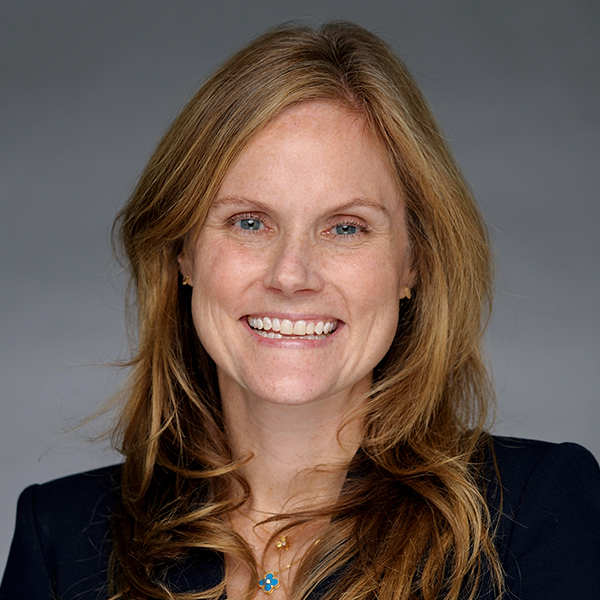
Leslie Geller
Senior Wealth Strategist

Jeff Ruderman
Wealth Planning Specialist
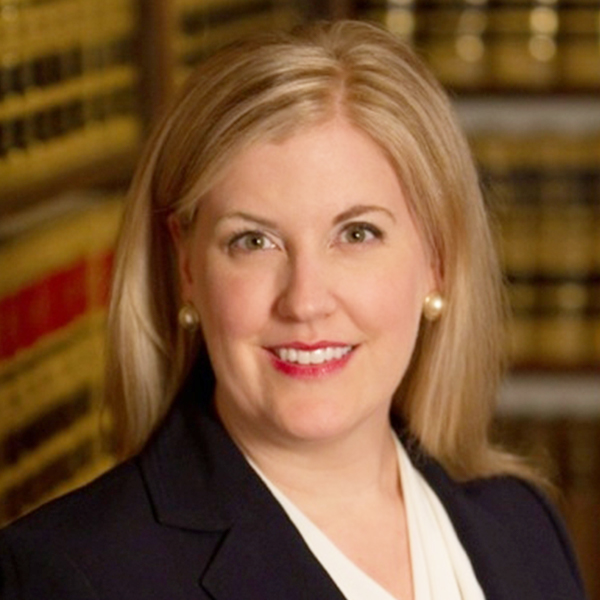
Anne Gifford Ewing
Senior Trust, Estate and Fiduciary Strategist

Leslie Geller: Hello everyone and welcome to Capital Group's PracticeLab Webinar series. I want to thank all of you for joining us. It's great to be with you.
Leslie Geller: I'm Leslie Geller, and I'll be joined today by my Capital Group colleagues, Jeff Ruderman and Anne Gifford Ewing, and we're really looking forward to talking with you today about the range of new tax policies, and how you can help your clients incorporate those changes into their tax planning, particularly right now for year-end.
Leslie Geller: Before we dive in, let me cover some housekeeping. If you look in the upper right corner of your webinar player, you'll find everything you need, including slides for today's event.
Leslie Geller: An important update on continuing education, or CE credit, we've made it easier for you to get CE credit by attending our webinars. Rather than having to complete a quiz, your credit will happen automatically, as long as you do two things. First, fill out a brief CE form, which is the top link in the documents tab in the upper right of your webinar player. And second, you need to stay on this call for at least 50 minutes. That's five zero, not one five, and you should receive your credit by email within five business days.
Lastly, before we begin, we love getting your questions and comments throughout the event, and we'll try to answer as many as we can. You'll find the Q&A tab in that same upper right section of your screen. If you do have any tech problems, just let us know in the Q&A window.
Leslie Geller: So with that, let me introduce our speakers. Jeff Ruderman, down there at the end of the table, is a wealth planning specialist for Capital Group Private Client Services. He has been working with Capital Group clients for 14 years, and it's always insightful to hear from someone who works directly with our clients here at C.G.
Anne Gifford Ewing, just here to my left, is a senior trust, estate and fiduciary strategist with Capital Group Private Client Services, and like me, she has a legal background. Anne's is in trust and probate law. My background is in tax law, so between the two of us, we've got a lot of bases covered. And I'm a senior wealth strategist here at Capital Group. I have 18 years of industry experience, including almost seven here at Capital Group. And my background in tax law is really coming in handy this year, although it seems to be coming in handy every year these days.
So, let's jump right into it. These are two of my favorite panelists to have on. We talk regularly anyway, but it's always fun to do it in front of an audience, and that's what we're going to do today. We're going to have a conversation about what we've been calling the "O-Triple-B." Is that what you guys have been ...
Jeff Ruderman: OB3.
Leslie Geller: I've heard OBA, I've heard OB3, I've heard, "The Bill," but we'll call it one of those things. You'll know what we're referring to. So, just a quick context to start here. We are not going to run through a comprehensive list of all the changes in the O triple B. We're really going to focus over the next 55 minutes or so on those things that are actionable right now, either planning opportunities, or conversations that you can have with clients. And these are the things that we're finding are resonating most right now in Q4 of 2025.
A little bit more context, remember the O triple B was this big piece of legislation, mostly focused on tax provisions, that was passed on July 4th of this year. Most of you probably know that.
Leslie Geller: The Tax Cuts and Jobs Act was a piece of legislation that was passed back in 2017 in the first Trump administration. And the O triple B does two things. It extends several of the provisions of the Tax Cuts and Jobs Act that were set to expire at the end of 2025. That cliff we've all been planning around, that we don't have to plan around anymore. And there's also some new things in the O triple B. We're going to talk about all of this. Important to remember though, that some of the things in here are not whole cloth new, they're extensions, or items made permanent from the Tax Cuts and Jobs Act, which was this legislation passed back in 2017.
Okay, so we're going to run through these planning opportunities and conversations in a bit of a rough loose order. So, we're going to start off with those things that are probably relevant to the largest portion of your book. So, the things that are going to be most relevant to the most amount of clients. And then we're going to focus a little bit more on the specialized opportunities for business owners, for ultra-high net worth families.
We're going to spend a little bit of time on charitable giving, it’s a great time of year to be talking about that anyway, even more important now. And then we're going to close out with some of those final year-end reminders that we should be thinking about anyway, in any year. So, Anne, let's jump right in.
Anne Gifford Ewing: Let's do it.
Leslie Geller: Let's start with one of those things, that in the O triple B, was an extension of the provisions of the Tax Cuts and Jobs Act, income tax rates. Aside from being a relief that we're not going back to the higher income tax rates of pre-Tax Cuts and Jobs Act, what are you seeing as far as the planning response, or a conversation response to these income tax rates staying where they are?
Anne Gifford Ewing: Well, it's interesting, Leslie. I do think there's broad relief that the brackets are basically staying the same, and also that the standard deduction is staying high. 2017 is a while ago now, and many of us have short memories, and it's hard to remember those days pre-TCJA, when many of us had to itemize on our tax returns. It has been much simpler for the vast majority of Americans since 2017, I should say of most taxpayers since 2017, with these higher standard deduction amounts, and thus not having to itemize. And I do think it's nice, and clients are kind of responding positively, that that sort of approach and system that so many people are now used to, is staying in place.
So, the standard deduction is actually going up a little bit in 2026. It'll be over $15,000 for a single filer, and over $31,000 for a married couple filing jointly. And so, that just keeps life that much easier. That said, as we'll talk about in a few minutes, there are some subtle changes in terms of the SALT caps, AMT sneaking back in here and there, some of the charitable deduction rules, where we still care about the income being earned, and even if we're a non-itemizer using the standard deduction, it might behoove us and our clients to pay attention to some of these new rules.
Leslie Geller: Yeah. And on that note ... That's a great segue. And we had some good news, now we're going to have some news that's a little bit tricky to navigate. The good old AMT system, which pre-Tax Cuts and Jobs Act was the bane of a lot of people's existence, and then became the bane of existence for many fewer people after the Tax Cuts and Jobs Act. What are the changes to the AMT system, that we're all having to pay a little bit more attention to now?
Jeff Ruderman: Well, first and foremost, and I think there might be a win there, right? It made permanent, the extension of the increased exemptions. So, from pre-2017 to now, less people will be subject to AMT. And I think we all can agree that's a win, right?
Leslie Geller: Yes.
Jeff Ruderman: So again, I think most importantly, making permanent that extension of the higher AMT.
Leslie Geller: Like your positive outlook there.
Jeff Ruderman: I'm going to stay positive.
Leslie Geller: Agreed, yep.
Jeff Ruderman: But it did revise the phase out thresholds, and that's the details that matter. Which, if I think about this year and now, how might people think about it, particularly those that have stock options, particularly ISOs, incentive stock options, they may think about, "Should I exercise in '25?" Now these rules do go into effect, effective in tax year '25. So, this is already something that's on the horizon to be evaluating.
And we'll get into the SALT deduction, (Insert lower third graphic defining SALT: “SALT = state and local taxes”) but I think this is one of these pieces where there's a bit of interplay, because one of the factors that could put someone into AMT is if they are one of the fortunate, that will receive the increased SALT deduction, not be limited to the $10,000, and have incentive stock options. That's something to, again, think about in more detail how they navigate.
Leslie Geller: Yeah. And the AMT is something that, even for those of us that live in this world all the time, gets really into the weeds really quickly. And so, if you have clients that are in a certain income bracket, that have a lot of deductions, that have not been subject to the AMT, but used to be subject to the AMT, it's a really important time to talk to their tax professional about the things you can do, to try to help them stay out of that AMT system if they can.
Jeff Ruderman: And those are a lot of the conversations we're having with clients. And particularly, I went deep in there on options, but that's really one of those pieces. Incentive stock options is an area that can trigger that. That's why we often go deep there with clients that we know have that, have those discussions about, "What if you exercise the ISOs?" And then, also oftentimes it's, "Do I exercise some non-qualified options in tandem with the ISOs? Maybe increasing tax, but avoiding AMT, so I pay less overall tax?"
Leslie Geller: Yep, yep. Either way it's worth a conversation. And this is ... I was teasing Jeff a little bit for his positivity, but this is an opportunity. It's an opportunity to have a conversation, to add value, to get in front of some of these things that are changing. And I think being here in California, Jeff mentioned the SALT cap. We've been spending so much time talking about the SALT cap.
And this was honestly one of the reasons I was very surprised when the O triple B passed, and was signed into law on July 4th, because this SALT cap issue has been such a divisive issue for years, on both sides of the aisle. And so, they came to a compromise. I think it looked a little bit exciting from a planning opportunity perspective, but hasn't proven out to be as helpful as we thought it could be. So, give us your thoughts on the SALT cap. Maybe just give a little bit of context, and then what everyone is doing from a planning perspective.
Anne Gifford Ewing: Sure. So, just to remind all our viewers, you probably all know this, but SALT stands for state and local tax. And Tax Cuts and Jobs put a cap on how much of that SALT could be deducted on your federal tax return. Used to be much higher. TCJA brought in that cap of $10,000, which particularly, as Leslie says, for those of us in high state income tax states such as California, was a painful change, in terms of our bottom line.
And it's funny, speaking of different lifetimes ago, and back to pre-TCJA, and many more people having to itemize. Just a few short months ago, we were all talking about SALT constantly, and it was a huge negotiation point between not only Republicans and Democrats, but different camps within the same party, in terms of how much of a stand were they willing to take, depending on where they were located, and their constituency, etc. And it really looked like we were going to have significant reform on that $10,000 cap.
What we got, to your point, was a little bit anticlimactic, I thought. And it's been interesting to see how it plays out. Basically, we do have some relief that lasts for a couple of years. It's totally gone again in 2029. So, whatever it is, it's not going to stay around under the current law. And it also phases out the benefit at a certain income threshold. So, basically it says, "Hey, instead of a $10,000 cap, we'll give you a $40,000 cap."
Leslie Geller: Which sounds great.
Anne Gifford Ewing: Sounds great, and it is great, but that does go away in 2029. And even before then, you don't qualify for it at all, and you're back at the $10,000 cap, if your income is at $600,000 or more. And you phase out of that $40,000, starting at $500,000 or more. So, it's actually a pretty steep cliff. Those people who are between 500 and 600, or those who are perhaps lucky enough to be just under 500, will have a very different impact from those who are over 500, or certainly over 600. And again, maybe we don't need to make too much of an effort to worry about this, because it's all going to go away by 2029.
But kind of getting back to that posture of, what are the opportunities for advisors to be talking to their clients about now? If you have a client who can, I don't want to say manipulate, but who has some control over how much income they're going to realize in a particular year, and if they're already close to that $500,000 mark, that might be a really impactful conversation to say, "Hey, what can we do to push some income into next year, et cetera, to maybe stay just at 500 or a little less?" And that could have a really big impact.
Leslie Geller: Talk to me about, or Jeff, that pass-through entity tax workaround, and we don't have to go deep on it, but it's been a big topic of conversation, and has been another path of relief for those of us in high-tax states as well.
Anne Gifford Ewing: So, I'm happy to start, and then I'll let Jeff jump in. This is a good example of a particular strategy that might be really impactful for a taxpayer with a particular profile. So, these pass through entities, some states allow them, some don't. I think right now it's a little more than half of the states are allowing them.
At a very high level, it allows a business to pay its state income tax at the entity level, which allows for a deductible business expense for federal tax purposes, that does not subject that individual business owner to individual SALT caps, which as we just covered, really vary under the new rules. And then, that business owner receives a corresponding credit, or personal, on their personal state income tax return, so there-
On their personal state income tax return. So they're effectively preserving all or most of their federal deduction for the state income taxes that have been paid. So it has been very impactful for certain business owners. I'll just add a little plug as well for high net worth families, which we'll touch on more later, I'd say this is a reason to look more at non-grantor trusts for loved ones. Often the general wisdom is when you can afford it, make it a grantor trust, pay the income tax on behalf of the trust. That might still be the right call for many grantors, but this changes the conversation a little bit. If you're going to have a higher income tax liability that pushes you over the SALT cap.
Leslie Geller: Because using grantor trust spreads out the income effectively. So there's less of a chance with any one taxpayer that you're hitting that $500,000 threshold.
Anne Gifford Ewing: Right. The non-grantor trust. Yes, exactly.
Leslie Geller: Yes. And Jeff, anything? I know we're spending a little bit of time on this, but this is a big planning topic right now.
Jeff Ruderman: It's a huge planning topic. The only piece I may add, and it's a little bit of a left turn, but thinking about Roth conversions. Now I think at first mention, one would say, "But Jeff, you're increasing my tax in the current year." Yes. But then if I'm thinking about long-term, am I then reducing tax, allowing you to take advantage of the SALT deduction in future years? And that's a conversation to have and something to explore with clients. If you think about long-term tax planning,
Leslie Geller: And Jeff, I'm going to jump back to the AMT really quickly because we got an audience question and I want to make sure we hit on it because it’s an interesting one. What about muni bonds and AMT? Should we worry about this?
Jeff Ruderman: I mean, yes.
Leslie Geller: Yes, yes. Explain.
Jeff Ruderman: Holding muni bonds can be, if your client is potentially subject to AMT, I'd review their fixed income holdings to make sure-
Leslie Geller: Right. It's one of those items that-
Jeff Ruderman: ... the Muni holding is not going to trigger AMT.
Leslie Geller: Yeah. It's one of those things that makes a difference that could be exempt under the regular tax system, is not exempt under the AMT system. So one of those different treatment things.
Okay. Let's keep moving forward and keep sending in those questions. They're great. It's oftentimes what other people are thinking too. Okay. 529s. We were joking before we started. I've been referring to 529s lately as the favorite child of the tax policy world because they just keep giving us additional ways to use 529 accounts and more reasons to fund 529 accounts. So Jeff, I know particularly since it's year end, 529 funding is a big topic of conversation anyway, but with the OBBBA and some of the changes there even more. So talk about those, the changes OBBBA brought us and then some of the planning things that are going on around 529s right now.
Jeff Ruderman: Yeah, absolutely. So Leslie, here's another way you can use 529s and it really relates to the ability to pay K-through-12 qualified expenses directly from a 529. And that existed previously, but it was subject to a limit of $10,000. With the passage of the One Big Beautiful Bill, that limit is up to $20,000. So you've doubled the amount that you're able to distribute for K-through-12 expenses from a 529.
So what does that present from a planning perspective? I think it causes you to re-evaluate with your clients the funded status of their 529, might they need to make additional contributions to it if paying, and I'm saying if because I'll come to you in a moment, if paying K-through-12 expenses from a 529 is beneficial for them, and I say if respectfully. Because I always want to look for clients thinking comprehensively, should they be paying those expenses from K-through-12 or is there a member of the family that may benefit in reducing their estate by leveraging the education exemption and paying those expenses directly?
Anne Gifford Ewing: And it's an interesting point there, Jeff is referring to what we sometimes fondly call the Ed-Med exception. I'm sure, most of the listeners know about this, but where a taxpayer can pay directly tuition to a school and or health care related expenses and it's not a taxable gift.
Interestingly, I agree, Leslie, they keep adding tools and benefits to 529 accounts. And another thing that's happened recently is the expansion of what you can use 529 monies for. So whereas you have that option for tuition itself to think about should someone directly pay the tuition to the school not out of the 529 to reduce their state, preserve the 529 funds for something else or does it make sense to use the 529 funds for the tuition. 529 funds can now be used for more and more educational-related expenses such as tutoring, education-specific therapies, other kind of expenses like that-
Leslie Geller: College prep.
Anne Gifford Ewing: College prep.
Jeff Ruderman: Yeah. College prep.
Leslie Geller: College prep.
Anne Gifford Ewing: SAT prep, all that fun stuff that's not tuition. So that's an interesting conversation I think for some clients.
Leslie Geller: And it's things that people maybe were already using 529 monies for and now it's officially sanctioned. These are also areas where people are spending a lot of money on. When you think about college consultants and college prep and all that, those college prep courses, test prep courses, it's really interesting to see what was called out here. And I think in addition to what we saw in SECURE 2.0 which was the ability to roll over 529 funds into an IRA, up to $35,000 within certain limitations, holding period and all of that, that was another reason to kind of hedge towards over-funding of 529s. And this I think continues that theme. And if you've heard me speak, you know I'm a huge fan of 529s. They kill a lot of birds with one stone.
Anne Gifford Ewing: Absolutely.
Leslie Geller: They're very simple, first of all, and easy to set up. They also provide wealth transfer benefits. They get money out of your estate. You can stay the owner of that account while getting those funds out of your estate. You're also putting that money into an income tax deferred, potentially income tax-free environment. I don't know of any other vehicle that does all of those things in such a clean and simple way. No?
Jeff Ruderman: I don't think there is.
Anne Gifford Ewing: No. There's also the element of potentially having the power to change the beneficiaries, which is a whole other conversation. But it's added control and flexibility, which is great.
Jeff Ruderman: One thing to come back to on the K-through-12 expenses, because I do think it's an important footnote to unfortunately always remind folks of, and that is while there are, I believe it's a total of 38 states do recognize the ability to distribute K-through-12, the remaining states do not. So that distribution could be subject to taxes at the state, yes, state income taxes. And since we're sitting in the state of California, I'll begrudgingly note that this state does not, New York, Illinois, et cetera.
Leslie Geller: Another audience question we're going to hit on this and then we're going to move on to some business owner concerns. So capital gain distributions from mutual funds held in taxable accounts have become very significant. In addition to having paid tax on these distributions, they also make it more likely someone's income will exceed the $500,000 relevant for the increased SALT deduction.
Anne Gifford Ewing: That's a great point.
Leslie Geller: How do we mitigate this problem? I don't know that there's a magic silver bullet here, but it's a great question, really important consideration.
Anne Gifford Ewing: It comes up a lot. I'm sure Jeff has comments as well. Some things that we see a lot of clients and advisors recommending, obviously it's going to be specific to the client's situation, but some common things we see, first of all, check as to whether dividends are set to be automatically reinvested. That's an easy thing to switch. And maybe at the very least consider redirecting those dividends into some other vehicle, whether it's an ETF or something else. So that you're not continuing to grow that problem, if you will. It's always good to have a gain, but ...
And it might be a time to just sort of naturally have that conversation that you're probably having every now and then anyway with a client around, let's review the asset allocation. Maybe we don't make a huge change overnight, but maybe there's some smoothing that we can do over time.
Leslie Geller: Some rebalancing, some asset location conversations, really important right now.
Jeff Ruderman: Yeah. But I think you hit the nail on the head with the dividend reinvestments, the key one of making sure you're not continuing to compound the problem. Right?
Leslie Geller: Yes. Yes.
Anne Gifford Ewing: I'll add a footnote as well. If that mutual fund happens to be held in a grantor trust, look at that because there might be an ability to do a tax-free substitution of assets and move it somewhere else.
Leslie Geller: That's a great idea, Anne. I hadn't thought about that one. Okay, moving on to business owners. So those were the items or most of the items that are coming up, I think with the largest portion of clients right now. Now moving into things that are a little bit more focused.
So Jeff, we'll start with you business owners. There's a couple of things in this bucket. One of the big ones is that 199A deduction or QBI, Qualified Business Income Deduction. And this was something that the Tax Cuts and Jobs Act brought to us. And the good news, taking Jeff's positive spin, is we still have this QBI 199A system thanks to the OBBB making it permanent.
But Jeff, remind us, so this isn't just some number in the code or acronym, what is this? What does it do? And how are we helping clients plan around this right now?
Jeff Ruderman: So stepping back, and this is another win for business owners in this bill. Right. And just stepping back at a high level, what is the 199A Qualified Small Business, QBI? It allows non-corporate taxpayers, such as individuals, trusts or states to deduct up to 20% of their qualified business income through pass-through entities. So what does that mean? Includes income from sole proprietorships, partnerships and S corporations. So effectively what this really does is it allows and attempts to put those who hold and own their businesses in pass-through entities like a sole proprietorship, partnerships, S corp-
Leslie Geller: LLC. Yep.
Jeff Ruderman: ... LLC, on par with the lower corporate tax rate. So the win there is that that is made permanent, right?
Leslie Geller: Yes. Yep.
Jeff Ruderman: It gets better because the upper limit of the phase-out has increased. So that means that more taxpayers will be able to qualify for that. And wait, there's more. Those who were previously phased out, those that were subject to specified service and trade businesses, the increased thresholds mean more individuals in those fields might be able to take advantage of this. So coming back to what are the planning opportunities there, in speaking with doctors, lawyers, consultants, those who work in the financial services industry, this may have been something that was not on their radar and it's a prompt to give them to revisit it with their CPA. And if I may actually take a moment, stepping away from the 199 QBI piece to just celebrate some additional wins for business owners because this bill was very good for business owners. You also had made ... These were things that were put into place in the Tax Cuts and Jobs Act. But those, and checking in with business owner clients and making them aware, because this I'm sure has been on their horizon of what may phase out, the bonus depreciation that they've been enjoying, the research and development deductions that they've been enjoying are made permanent. The business interest deductibility, made permanent as well. And really giving them ultimately the ability to allow for larger interest deductions by leveraging the more relaxed formula using EBITDA (Insert lower third defining EBITDA: “EBITDA = earnings before interest, taxes, depreciation and amortization”) in calculating their adjusted taxable income.
Leslie Geller: And some of those things were subject to those earlier sunset dates, like the bonus depreciation and the R&D. So we lost that for a couple of years I think, and now it's back. Which is great for business owners. But like you said, I think the takeaway here is it's for your clients that are business owners, it's a great time to sit down with their CPA and revisit all of those things. Are they optimizing the amount of QBI that's coming out of their business? Is it structured in a way to optimize QBI? Is ownership structured, income structured in a way to optimize QBI? And then to double-check and make sure that they're taking advantage of all of these things that were made permanent-
Jeff Ruderman: Absolutely.
Leslie Geller: ... by the OBBB. So a really important conversation. And then one more on the business front before we move into some gift and estate tax exemption chat with Anne.
Qualified small business stock, this is one thing that I think really causes people's ears to perk up and I don't think we pay enough attention to it because there's a lot of opportunity here, and I'm sure you guys run into it on a pretty regular basis because of the clients you deal with. But Jeff, the changes to the qualified small business stock, or 1202 provisions, from the OBBB are really beneficial. And so talk about that, if that's coming up with clients, what type of clients it's coming up with and how we're addressing this right now.
Jeff Ruderman: So it’s absolutely coming up with clients. Again, another wonderful element to this bill for business owners and it is absolutely coming up and this is something everyone should proactively be connecting in with their business owner clients. And just to step back on qualified small business stock, what is it? I'm just going to loosely define it here for those who have original issuance of a C corporation previously when it was valued at-
Previously when it was valued at total assets under $50 million, I'm going to come back to that in a moment because that's one of the changes, it would allow them previously to exempt up to $10 million of capital gain or 10 times-
Leslie Geller: When they sold that stock?
Jeff Ruderman: When they sold that company, up to 10 times or 10 times basis. And that's an important piece from a planning perspective to come back to as well. So it has been there. I think we're all, both, Anne and I are always surprised how few business owners are actually aware this is out there. And think about it from a planning perspective.
So this bill brought about three significant changes for the better. What was good is now great. So one, I didn't mention this earlier, the eligible holding period of that stock had to be five years for you to then receive that full benefit.
Leslie Geller: Right.
Jeff Ruderman: Now, that eligible holding period is reduced down to three years where you start to receive a portion of the benefit, 50% at three years, 75% at four, 100% of that potential gain exclusion at five years. So that is a wonderful change that now someone that gets this now has a three-year period to reduce up to potentially $5 million. I should say not reduce, eliminate.
Leslie Geller: Eliminate.
Jeff Ruderman: Let me be clear with my words. So I mentioned earlier the $50 million gross asset value. Well it was always $50 million gross asset value. That's it. Now, it is $75 million of gross asset value. And I actually think this is one of these lesser-known pieces to it, increased for inflation. So that is a wonderful piece as well because that value will continue to move up over time.
Leslie Geller: So more businesses will qualify as qualified small businesses for purposes of this QSBS determination.
Jeff Ruderman: Absolutely, and I'll come to that in a moment. Let me just cover the third change quickly. Going from that $10 million exemption, it's now $15 million or 10 times basis and I never want to lose sight of the 10 times basis because, and this is actually a wonderful piece, we are having many conversations with those who may have had an S Corp and were thinking about selling in a three to five-year timeframe. "Too bad I missed out. My total assets are over $50 million." Well now that conversation's reignited. And they're looking at it, seeing the benefit, "All right, is my business more than 50, less than 75? I can potentially create this and set up this $15 million gain exclusion." Or let's be real about this. If you have a company that has total assets value north of $50 million, you may actually have some significant basis in the business and now you can leverage that 10 times basis component to this and actually get even more than the 15 million.
So that's a lot of the conversations we're having with clients, educating them about this. I'm always still amazed, and this is something to put out there, when you meet a business owner that's thinking about a sale on the horizon, if they hold a C Corp, you may be the one educating them about that. They might not even know that they have this eligibility. And that, by the way, that's a huge value add to introduce yourself with.
Leslie Geller: Yes. And even if too, if you have somebody who owns their business through a different type of entity, like an S Corp or an LLC, or something like that, and they're not anticipating selling for a few years, it's worth having the conversation to see if it makes sense to change the form of entity, to spin off a piece. There's all sorts of planning that can be done to get some, if not all of the benefit under the QSBS, particularly with the changes. But you have to plan ahead, right?
Jeff Ruderman: Have to plan ahead.
Leslie Geller: And it's massive, massive value add. And this is one of those bills, the O-Triple-B, where there's not any huge monumental change that is going to change someone's life except this. This is one of those big ones that if you bring this up and this is your issue, this is huge. It is a huge value add opportunity.
Anne Gifford Ewing: I'll just footnote that, Leslie, this is again a longer conversation for another day, but there are also some additional estate planning opportunities if you determine with the accountants and other advisors that indeed that stock is QSBS eligible. Maybe it wasn't before and now it is under the new rules to your point, which is such a big opportunity. Sometimes there's also an opportunity to leverage it or multiply it, if you will, by doing multiple QSBS transfers of stock into different taxpayers. Often these wind up looking like non-grantor gift trusts. So just to put that in.
Leslie Geller: So you get multiple 15 million or 10 times basis gain exclusions.
Anne Gifford Ewing: Right. Potentially.
Leslie Geller: Right. And that's a great segue into the next topic, gift and estate tax exemptions. And one of the things that, I feel like we've been talking about ad nauseam for a long time-
Anne Gifford Ewing: Yes.
Leslie Geller: ... is the threat of the gift and estate tax exemption being cut in half at the end of 2025. If we were talking about this last year at this time, that's what we were talking about. Currently the gift and estate tax exemption is just shy of $14 million per person if the Tax Cuts and Jobs Act had been allowed to sunset. So if we hadn't had the O-Triple-B, that exemption amount would have been roughly cut in half to about $7 million per person. Instead we got the extension or the made permanent for this raised gift and estate tax exemption, plus a little bump, right? It's going to be $15 million per person starting next year. So there are some planning opportunities around that, even for those that aren't ultra ultra high net worth and still have to worry about the estate tax. So what are you talking to clients about now that we have this permanent exemption amount?
Anne Gifford Ewing: You're right, Leslie, we've been talking about this for so long and it's interesting that now we're not in this kind of urgent conversation, we have the luxury, we and our clients to kind of take a breath and look around and think, "Okay, now we've got some more time. What do we want to do to be strategic rather than just trying to beat the clock before the exemption goes down?" So it's a really good place to be in, to your point, for a variety of estate sizes. I will say very briefly, we get a lot of confusion from clients as to that word permanent because the bill uses it a million times and you hear it in the media and it's true.
Leslie Geller: We just got a question about the concept of permanent.
Anne Gifford Ewing: Yes. So I'll speak specifically to the exemption amount staying high permanently, but the same concept applies to all the things that the O-Triple-B makes permanent, and Jeff has already touched on some of them. What that means really is that there's no sunset date attached to that rule. It is the rule indefinitely, let's call it, unless or until a new law gets passed to change it. So it's not that it can never be changed. It absolutely could be changed in some other chapter with a different balance of power in the White House and the Senate and the House. If someone wants to try to pass a new law, it absolutely could be changed. It's just that it's not scheduled to be changed.
Leslie Geller: Yes.
Anne Gifford Ewing: So barring some new legislation, this is our default rule going forward indefinitely.
I think we've all been on the roller coaster of changing political powers, changing laws the last few years. And so I think clients now instinctively understand, "Okay, I have to be ready for an indefinite future. I have to be prepared for potential changes in the future." And just really making sure they understand that. Probably we can get comfortable with the idea that all of these rules are in place, call it for the next three years at least, through the Trump administration. But who knows what might lie ahead, to your point.
So with that in mind, I’m really encouraging clients, it's tempting to kind of say, "Oh, great. The exemption is not going down. I can relax. I don't have to think about this anymore." Try to resist that temptation to go to sleep at the wheel, so to speak. And of course, we, as their advisors, can really play that role of making sure this conversation doesn't go away and keeping it at the forefront of really being actively engaged in what can we do during this, let's call it three years that we kind of know what the rules are going to be. And to Jeff's point, there are a lot of, depending on the client's profile, things in their favor that they can be doing.
So specific to the exemption amount, instead of going down to $7 million, it's now going to be $15 million in 2026. And indexed for inflation, going from there.
Leslie Geller: Right. For the adjustment.
Anne Gifford Ewing: So it'll presumably keep edging up. This is applicable to both the gift amount that people can make during their lifetime, gifts to others, gifts to trust, as well as the estate amount, so what they can leave to others following their death, and the GST amount, the generation skipping transfer tax amount. Making gifts to skip persons. For most people, those are their grandchildren.
So with all that in mind, we are looking with a lot of clients at, okay, how much have you gifted, if anything, do we want to top it up next year and not kind of lose sight of that? Because the sooner you gift it, the sooner it could be invested and hopefully be growing out of your estate. As well, that GST is kind of sneaky and interesting. A lot of clients don't realize, high net worth clients, that their estate tax exemption amount and their GST amount, many of them have used different amounts. They're not the same. And if we kind of go back in history a little bit with their gift tax returns and their accountant figure out how much they have of each remaining, sometimes there's an opportunity to do a late allocation of more GST that they didn't realize they even had to an existing gift trust, where they don't have to part with any money out of their pocket, which always makes them happy to consider that. So that's really interesting.
I think paired with this concept, and then we can move on, but I would be remiss to not mention, because the income tax picture has been shifting, we never want to take our eyes off the ball of that step up in basis at death for assets that are still in the client's taxable estate. And so getting back to your earlier question, more clients are not subject to estate tax with these higher exemption amounts, so there's also that opposite conversation of maybe we hold back on a gift that we were considering because we're more confident that we won't have to worry about estate tax and we care more about that step up in basis, and so let's prioritize that. And we can always revisit that if it looks like the exemption is going to go down. We've lived that before, so we know what that looks like.
Leslie Geller: Right. And it's always that ongoing tension, that balance of estate tax planning at death versus income tax planning at death. You can't have your cake and eat it too. So you're always kind of looking at the situation based on the assets, the family's goals, all of that. This has given us a little bit more license to put a little bit more weight on the side of the scale of income tax planning for a lot of families. So it's an interesting and different conversation. And it's also, with any of these things around gifting and estate tax, just opens up the doors to review estate planning documents, make sure they still make sense in line with current law, in line with family wishes. Always a great end of year or beginning of next year conversation. Super important, very organic.
Anne Gifford Ewing: I'll just footnote that, thank you for mentioning that. Of course, we're always in favor of an estate plan review. And we still see a lot of clients that have kind of the old model joint trust that are contemplating at a married couple, first spouse's death, contemplating a lower exemption amount because maybe it was drafted a while ago. So that's something to be looking for as well. Does the client's plan-
Leslie Geller: Does it still work?
Anne Gifford Ewing: ... still make sense in the era of these higher exemptions?
Leslie Geller: Yeah. Okay. We only have about 15 minutes left, so I'm going to keep pushing through. So we've just gone through a lot of the extension changes, a lot of the extensions of the Tax Cuts and Jobs Act. I want to spend two minutes on the new stuff. So those new deductions that are part of the O-Triple-B, many of which may not be relevant to your clients because of their level of asset, net worth, but could be relevant to members of their family, employees, to older generations in their family. And I'm referring to that no tax on tips, no tax on overtime, the auto loan interest deduction. We've got some great slides on that, which everyone will have access to. But Anne, spend a minute, because this is the one that we're getting questions on I think most consistently, and it's probably most applicable to this group, that extra $6,000 deduction for 65 plus seniors that I'm going to do bunny ears around this, no tax on Social Security. Just speak to that, what that is, and if that's coming up. And maybe the phase outs too, because that's really important.
Anne Gifford Ewing: Yeah, so I'd say this is almost the companion to the SALT rules. It's like it sounds great at first blush, but then as you dive into it, it's a little less impactful than maybe you had hoped. So these reliefs, I'll call them, all expire at the end of 2028. So-
Leslie Geller: So they do have a sunset, they're not permanent.
Anne Gifford Ewing: They do have a sunset date, yes. And that's an important distinction I think. So however exciting these may be, they're probably only with us for a short time, but they might help some people or some family members of clients, to your point. For seniors, yeah, it's an extra deduction of $6,000 if you're over 65 and it's on, pardon me, Social Security income. However, much like the SALT caps, it phases out at higher incomes. So someone who is maybe living on Social Security or has an otherwise very limited retirement income, this could be a very nice thing for them for the next couple of years. It's probably not something to plan the rest of their life's budgeting around because it's going to sunset in a couple of years.
Leslie Geller: Yeah. And also, one of the interesting things, and I think this kind of seems obvious when you say it, but it's important to call it out, is all of these deductions, including this additional 6,000 for 65 plus seniors, you can take it even if you don't itemize.
Anne Gifford Ewing: Yeah, that's a great point.
Leslie Geller: Right, which is kind of-
Anne Gifford Ewing: Yeah, that's a great point.
Leslie Geller: Which is kind of unusual, and an important call-out.
Anne Gifford Ewing: Which, again, is more and more people now.
Leslie Geller: Yeah.
Anne Gifford Ewing: And certainly those seniors who are low income enough to qualify for this are almost certainly non-itemizers. So that's a great point.
Leslie Geller: Yep. Okay. Charitable giving. I want to spend a few minutes on this because aside from this being the giving season, everybody's thinking about this anyway, from a timing of income and deduction perspective this is always a conversation at the end of the year, even if it should be a conversation all year round, it organically comes up at the end of the year. The OBBB just gave us more fodder for this conversation by changing some of the rules around the charitable deductions for charitable giving. Jeff, can you highlight some of those and then again, what are, practically, clients doing to plan around some of these?
Jeff Ruderman: Absolutely. And this is a very popular topic in client meetings and conversation. And I think first it's really important to understand that for the vast majority of taxpayers, it's not changing. In fact, I think when we come to it, it might actually even be getting even better, but it does impact those who itemize. And we'll touch on that.
Leslie Geller: Which are those people who are generally making big-
Jeff Ruderman: Significant gifts.
Leslie Geller: ... significant charitable gifts.
Jeff Ruderman: Absolutely. And that's very important, right? Because prior to 2017, most taxpayers were itemizers. Post 2017 and the increased standard deduction meant a lot fewer became itemizers. So I think it's important, and that's a trend that I expect will continue as we have an increased standard deduction. So I really think it's important to start to think about who this impacts, and again, differentiating non-itemizers from itemizers. So for non-itemizers they can take their full standard deduction and then if they're single, an additional $1,000 for charitable contributions as deduction or if they're married filing jointly, $2,000. So that's really important because I've had a lot of conversations with non-profits and there's a very simple question they ask. "Jeff, when I get up in a room and I say, 'Please give 100 dollars today', I always add, 'It's tax-deductible.' Am I lying going forward?" The answer is no. You're actually, you are speaking the truth. Continue to make that ask with the statement that it is tax-deductible because there's concern from those entities that they're going to receive less assets.
And that gets into how this impacts those who itemize. And we are introducing two new rules for those who itemize. The first is a limit, and that is all itemized deductions, effective in 2020, the tax year of 2026, will be subject to a maximum deduction of 35%. So today, currently someone that's in the highest marginal tax rate can deduct up to 37%.
Leslie Geller: Right.
Jeff Ruderman: Right? So they can deduct 37 cents on the dollar. Now it's limited and capped at 35.
Leslie Geller: Even if you're in the 37% bracket?
Jeff Ruderman: And that's not just charitable deductions-
Leslie Geller: Right. That's everything.
Jeff Ruderman: ... that is all itemized deductions. I think the harder piece ... That's a simple piece to understand. The harder piece to understand is this new floor, because it can be sneaky because it is not a set dollar amount, it is 0.5% of one's AGI. So that's where I say in working through client situations, it can be a bit sneaky to understand where that is. Because at someone who has a total AGI of a million dollars, it's $5,000. $10 million, it's $50,000. And with that floor, you cannot deduct against that.
So I'm just going to step back for a moment and say, if we know all of this and where we sit at 2025 year-end entering the season of giving, how might I think about it or what might clients consider? And that is those clients that are itemizers in the highest tax bracket may consider making, if they're considering making a significant charitable gift, they may consider doing so before year-end to take advantage of a higher tax deduction. Going forward in 2026 and beyond, what clients may do is think about bunching charitable contributions, right? Perhaps pairing it with the use of a donor-advised fund. Maybe if I want to give the same $10,000 to an organization, I do that over a number of years through a donor-advised fund, but I coordinate so I can utilize the deduction in this year and then the next few years I won't get that deduction and make my gifts through the donor-advised fund. That is one of the key pieces in the conversation we're having if you're thinking about making the gift.
The other piece I'll say is qualified charitable distributions become a more important planning element in '26 and beyond because ... And just to step back, qualified charitable distributions, the ability to give from a traditional retirement account, an IRA, up to $108,000 (Note: this is the limit for 2025), have that satisfy your required minimum distribution, and for those who are subject to required minimum distributions, why that becomes a really important element going forward is because that is not recognized as AGI.
Leslie Geller: Right.
Jeff Ruderman: So it's a way to give and navigate against this floor and cap. You're not subject to it. Just to put some numbers to the meaning of this, why might somebody that's thinking about making a gift in '25 versus in '26, why might they accelerate that gift? Coming back to the value of that deduction. So if I have a million dollar AGI, I'm making a $100,000 gift, making that gift in '25, it's really simple. I can tell you your net tax benefit, multiply your 100,000 times 37%, right? $37,000 net tax. Easy.
It's not so easy in '26 because the first ... Instead of being 100,000 times 37%, it's 95,000 times 35%. I'll round up in an unfriendly fashion, the net benefit is an additional $4,000 deduction. The key message being, those who are considering giving and making significant gifts in the near term, most likely beneficial for them to do so in '25.
Leslie Geller: Yep.
Anne Gifford Ewing: I'll just tack onto that briefly. Most of the advisors in our audience probably know this, but questions that we get a lot from clients that could prompt a conversation. Can I make a qualified charitable distribution from an inherited IRA as well as a traditional? The answer is yes, if you're at the eligible age. So you have to be at least 70 and a half to make that QCD, which is interesting because you might have some years receiving an RMD from an inherited IRA account where you are not old enough yet to make a QCD and/or you might have an IRA where you're not yet at RMD age on your traditional because maybe with the age is changing, maybe you're not quite there yet, but 70 and a half hits and suddenly you are eligible to do a QCD.
Leslie Geller: Yes.
Anne Gifford Ewing: So that's a little bit confusing to clients sometimes. And with the charitable deduction rules that Jeff just covered, but also the SALT cap changes that we just covered, now we have multiple reasons to care about the AGI. And so taking those RMDs only of course increases the AGI, so now we care even more about that. (Insert lower third graphic defining AGI: “AGI = adjusted gross income”)
Leslie Geller: Right. There's so much to talk about. Couple of quick things before we move into those final year-end reminders. Trump accounts. I know there's so much left to sort out here, but it's a question that I'm getting consistently. What are you guys saying when clients ask about these?
Anne Gifford Ewing: Yeah ... Go ahead.
Jeff Ruderman: I was going to say, I think, I mean you mentioned it there that they are something new to consider and keep in mind and thought, but there's a lot to be learned about them and a lot to think through from a planning perspective. And it always-
Leslie Geller: And it can't be funded until middle of next year, right?
Anne Gifford Ewing: At the earliest.
Jeff Ruderman: Correct.
Leslie Geller: So in the focus on what's happening now or what we need to talk about now, it's not top of the list at the moment.
Jeff Ruderman: And so much of it comes back to client goal. If it's education-based, then I'm probably still leaning in a 529’s direction.
Leslie Geller: Right.
Jeff Ruderman: Right.
Anne Gifford Ewing: Yeah.
Leslie Geller: Right. Right. And energy credits, I don't want to spend a ton of time there. The big one, the vehicle one, expired at the end of September. We've got some-
Anne Gifford Ewing: December is like the home stuff.
Leslie Geller: Home solar. So like roof panels. Something to pay attention to if you haven't done that yet. These credits are going away, so if you want to get the benefit of them, take a look, talk to your clients about it. And what are those year-end planning things, and just in a minute, that you're going to remind clients about whether or not we'd have the OBBB or not. And then I'll have you, Jeff, fill in, too, what's on your list as well.
Anne Gifford Ewing: Well, these might be, Leslie, what I fondly call the perennial reminders. Stuff that typically is eligible every year, regardless of what may have changed in the tax code. Top of that list, probably annual gifts, whether to 529 accounts, UTMA accounts, outright-to-loved ones. People often wait and then scramble to do them.
Leslie Geller: And that's $19,000.
Anne Gifford Ewing: 19,000-
Leslie Geller: Per person.
Anne Gifford Ewing: Per person, per recipient. They must clear and be in that recipient's possession before December 31st. And very powerful, of course, if you have a lot of recipients to make a lot of gifts, move money out of your estate. They're quick, they're easy. Clients love them. The other one I'd say is just not forgetting to check the maximum contribution limits on client's retirement accounts, various flavors of retirement accounts. Those maximums sort of tick up every few years. And so sometimes clients don't realize that and they haven't contributed their max. And if that's their intent, you as the adviser, of course, can be a hero by reminding them of that.
Leslie Geller: Yep. Anything you'd add, Jeff, on that perennial year?
Jeff Ruderman: I think she nailed it.
Leslie Geller: Okay. I mean, we give you so much to talk about. It's not like we need any more. So a few closing thoughts. I think we're each going to give 15 seconds. Closing thoughts on the OBBB. This is ... The timing of this could not have been more perfect because we're already having these year-end conversations with clients or wanting to have these year-end conversations with clients. This gives us even more of a reason to reach out and put some urgency around this. So I am, in Jeff's positive spin, seeing this is a really, really great thing for purposes of adding value. Anne, 15 seconds.
Anne Gifford Ewing: Yeah, I agree. It's an opportunity to not take our eyes off the estate planning ball. Keep having those conversations, all the trust that clients were thinking about before the sunset that's now not happening, let's keep those conversations going because we're still in a dynamic environment.
Leslie Geller: Jeff?
Jeff Ruderman: It's an opportunity to provide value-add advice to your clients. I mean something like that charitable piece that we just went through, you try to read that on your own, it's hard to follow. Be the one that guides them through. They'll be incredibly appreciative.
Leslie Geller: Amazing. And one last question. This is an easy one. Do you have an OBBB summary for clients and individuals? We have a great link. We have a great piece that's going to be linked in the material on the slide later in the webinar. So yes, we made it just for you. It's really fantastic. It's a quick hit, very easy, digestible, so hope it helps.
A few quick notes in closing. We have a lot more insight and thought leadership available from Capital Group. This slide up here gives you some links to the additional contents, what I was just talking about. I want to thank everybody for your engagement and really great questions today. It's because of you that Capital was voted number one for thought leadership for the sixth time in a row.
And finally, I want to thank my favorite panelists, Jeff and Anne, for your great insights. I hope all of you found this as interesting as we did. Thanks, again. Enjoy the rest of your day. And I think I can say this, happy holidays, right?
Jeff Ruderman: Yeah.
Anne Gifford Ewing: It's that time.
Leslie Geller: Thanks so much.
1 hour CE credit for CFP, IWI and IAR*
Are you ready to help clients navigate the historic tax changes of 2025?
The “One Big Beautiful Bill” expanded some existing tax cuts and brought sweeping changes to tax policy. Make sure you are ready to help clients navigate year-end tax issues that include numerous changes regarding income taxes and important changes in taxes on business income. Capital Group Senior Wealth Strategist Leslie Geller moderates an information-packed session with her Capital Group colleagues Anne Gifford Ewing a senior trust and estate specialist, and Jeff Ruderman, a wealth planning specialist.
Event date:November 13, 2025
Leslie Geller is a senior wealth strategist at Capital Group. She has 19 years of related industry experience and has been with Capital Group for seven years. Prior to joining Capital, Leslie was a partner at Elkins Kalt Weintraub Reuben Gartside LLP where she advised high- and ultra-high-net-worth clients on all matters related to taxation, wealth transfer and family governance. Before that, she was an associate at Cleary Gottlieb. She received an LLM in taxation from New York University School of Law, a juris doctor from Boston College Law School and a bachelor’s degree from Washington and Lee University. Leslie is based in Los Angeles.
Jeff Ruderman is a Wealth Planning Specialist for Capital Group Private Client Services. He joined Capital Group in 2011 as a senior client relationship specialist. Prior to joining Capital Group he spent over five years as an assistant vice president, senior private client associate with Bernstein Global Wealth Management. Jeff earned a BA with Honors in International Finance and Marketing from the University of Miami and also studied International Business at the Hogeschool Voor Economische Studies in Amsterdam.
Anne Gifford Ewing is a senior trust, estate and fiduciary strategist with Capital Group Private Client Services and Capital Bank and Trust Company, focusing on trust, estate, tax and personal planning matters. Prior to rejoining our firm in 2019, Anne spent more than a decade in private legal practice at Gifford, Dearing & Abernathy, LLP in Los Angeles, during which time she was recognized as a certified specialist in estate planning, trust and probate law by the California Board of Legal Specialization of the State Bar of California. Anne received her JD from the University of California College of the Law, San Francisco, and both her master's and bachelor's degrees from Stanford University. She is based Los Angeles.