Featuring:
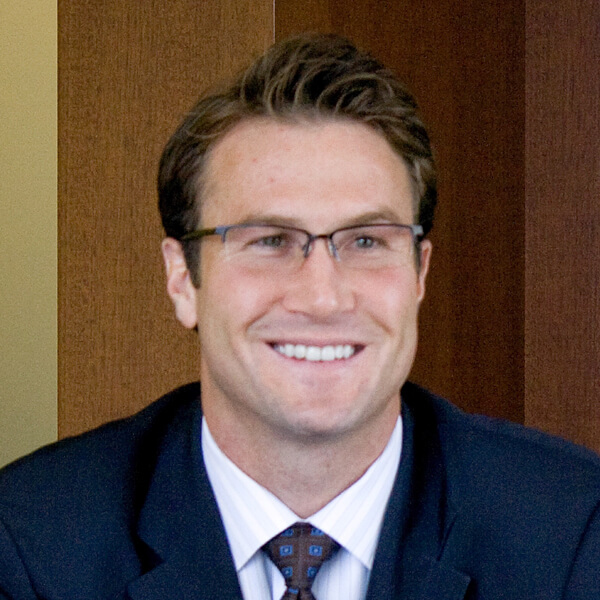
Shaun Tucker
Director of Practice Management
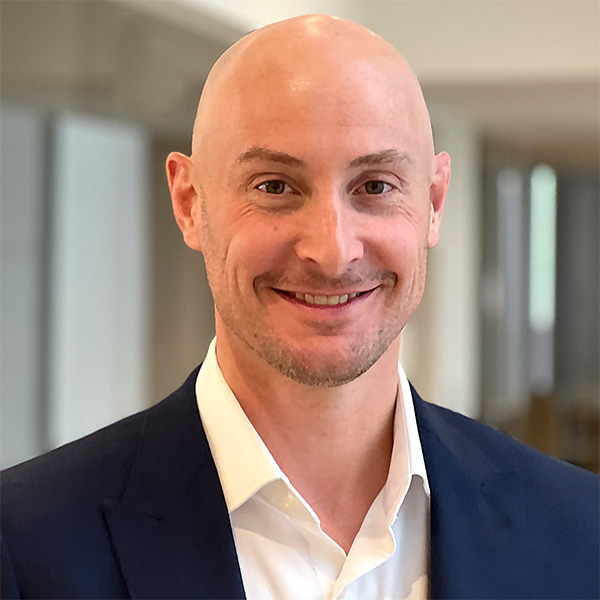
Jon Wainman
Advisor Practice Management Consultant

Lisa Crafford
Managing Director, Head of Advisory, Constellation Wealth Capital

Shaun Tucker (SCT): Hello and welcome to the PracticeLab Webinar Series. I'm your host, Shaun Tucker, the director of Practice Management here at Capital Group.
Hey, I want to thank everybody for joining us today. It's great to be together for what I think is a very important discussion. Our topic today, building and leading a high-performing practice, and we're going to walk you through actionable steps that you can take to run your practice like a CEO: defining your vision, setting and measuring business goals and communicating them clearly.
SCT: We're also going to dig into the steps you can take to build high-performing team, from choosing a structure to developing and retaining talent with the right compensation, very important, to creating a confident plan for succession. So I think we can all agree that these are very important things to get right. So the good news is to help us do that, we've enlisted the support of two terrific special guests to offer their guidance and to answer your questions along the way.
SCT: With that, let me introduce our two guest speakers. And first up is Lisa Crafford. Lisa is the managing director and head of Advisory at Constellation Wealth Capital. Constellation Wealth Capital is a firm that specializes in making tailored investments in industry-leading wealth management firms. Lisa has a very distinguished career.
SCT: She served in a prior role as director and head of business consulting at BNY Mellon. They were focused on working with wealth management and advisory firms, helping them grow and strengthen their businesses. Lisa is based in Denver, and Lisa, just thank you so much for joining us from afar today. It's great to have you.
Lisa Crafford: Thank you so much for having me. Appreciate it.
SCT: Absolutely. Next up, next to me here in the studio in Los Angeles is my colleague Jon Wainman. Jon, welcome. Jon is an Advisory Practice Management consultant here at Capital Group. He's a coach and provides practice management consulting insights to some of the top financial professionals and their teams across the country. Jon has 22 years of industry experience helping financial professionals grow and scale their businesses. Jon also brings experience from his background as a former retirement plan counselor within our distribution business here at Capital, but also from his days at Voya and Transamerica. Jon's based here in Los Angeles, as am I. Welcome, Jon.
Jon Wainman (JNW): Thanks, Shaun.
SCT: All righty, that's a great start. Thank you both for being here. Why don't we get right into it? And let me go to you Jon first, and I would just ask, let's set up the conversation. Take some time, talk about why this topic is so important to advisors. What's the opportunity here? And specifically, what gets in the way of growth if you're the average practice?
JNW: Yeah, sure. Shaun, good to see you again. And I think when we were doing some research on this topic, one of the things that stood out is, we've worked with advisors for a long time and you've seen this trend towards teaming evolve over the last couple of decades. And I think a couple of things that stood out to me is as to why this matters right now, as well as into the next few years,
JNW: is if you look backwards, and I'll put it up on the screen now, is you've seen a real boom in terms of advisor-managed assets in the United States. So you look over roughly the past decade, and you see assets have grown roughly 2X over that timeline.
What's not on the screen is if you look over the past 10 years, advisor headcount in US has roughly stayed flat. And so really what that's caused is a little bit of tension in some practices around, "Hey, we've succeeded with our clients, our practice has grown, but at the same time, we don't really have any net new headcount."
So I think that's the past 10 years. And so I think as we start looking forward a little bit and saying, “Will this trend continue in the future?” I think a couple of things stood out. I think number one is Cerulli has estimated that roughly 37% of advisors are likely to retire in the next decade, give or take. And so you've got a bit of a transition of talent happening, number one. I think number two is McKinsey has done some work and said, "Not only do we have some folks starting to retire, but how many people are we having come in and replace them?" And really what you see looking forward the next decade is that headcount is likely to stay relatively flat.
And so we started thinking about, in addition to that, the number of folks in the US that are going to have assets greater than a half million dollars in net worth is increasing about four to 5% per year.
And so what that tells us is you're going to have more and more folks in the United States that are looking for advice, and that's likely going to mean a little bit more strain and pressure on advisors in terms of how do we serve them. And so I think probably what we'll get into today is how do we think about structuring our team for efficiency. On a topic for another day is like how do we leverage technology, standardization of processes to make sure that we can serve all these clients so we can overcome any kind of advisor headcount shortfall.
SCT: Yeah, there's so much there. Thank you for setting the table on this issue. There's going to be immense competition for talent. There are implications there. Thinking about advisors coming into the business, this theme of getting a lot more from less, both from a people perspective and resources, we're going to cover all of that. But Lisa, let me bring you into the conversation here. You work with so many successful wealth management firms. From your perspective, just comment on what Jon talked about. Does this ring true? And then also, do you see advisors facing a common set of challenges as they attempt to grow? So maybe that's related, but if you could put those two together, that would be great.
Lisa Crafford: Absolutely, yes. I totally agree with Jon's point. And it's almost shocking though that we have such a hard time getting people to join our industry because who wouldn't want to? If you're young and coming out of college, what a great place to come and work, where you're having an impact on people, doing interesting work, really at the forefront of changing people's lives. And people aren't joining because they just frankly don't know that we're here. And so we as an industry have the opportunity to do better to attract that next-gen to come in.
Lisa Crafford: But alongside of that, as Jon mentioned, it's a continuing-to-grow industry and opportunity for folks to participate in. It's certainly why we exist at Constellation. We see an opportunity for today, but also really long-term out into the future that this is an industry where there's meaningful enterprise value that's created.
And I'm guessing if you're here today, the topic is building and leading a high-performing practice. You're not that advisor that's sitting in your garage and working on your 15 clients and not trying to grow your business. And so I'm glad you're here, and I'm glad we get to talk about growth. It is probably the number one topic that we work on with firms from a consulting perspective, both in my prior job and then also today at Constellation. So I'd say growth is one of those things that if you're not constantly thinking about it, it's probably not constantly happening. If you're not waking up, or if there isn't somebody in your business who wakes up every day who's obsessed about how do I think about the next new client for this advisor or for the firm, then when it does happen, it's like, oh, that's great it happened, but I didn't really plan for that.
And if you're not planning for it, it's probably not happening as consistently as you like. And what we have here up on the screen is this acquiring consistent stream of new clients. And that's one of the really great keys to this business is, if you can have that consistent pipeline where you're gaining new clients on the monthly basis or whatever basis it is, and it's not just like once a year or twice a year, you get a new client. That's how we start to see really meaningful organic growth numbers pop up.
SCT: Terrific initial points. Thank you for setting the stage. I'm sorry, but that was such a quotable moment, Lisa. So you said, if growth is not consistently happening or if you're not consistently thinking about growth, it's not consistently happening. So I thought that was a quotable moment. Growth is not an accident. You have to be highly intentional about it and aggressive. I also liked your callout of all of us collectively needing to do a better job, really promoting this industry, the value that we add in all of our roles. We truly do change people's lives through successful investing. So thank you for setting the stage, both of you. And now let's get the audience participation going right away. And we want do a quick poll. So we want to get your sense of this topic that we're talking about of the challenges for growth.
SCT: So if you want to take a look and use the QR code on your screen, or you can use the Q&A box in the upper-right-hand side and enter this in. But the question to you out there listening is what do you consider the biggest roadblock for growth? And I'll go through the five different options here. Letter A: acquiring new clients. B: demonstrating how you're different from other advisors, so that value proposition. C: building and leading a cohesive team. D: maintaining profitability as you grow. And E: planning or preparing for succession. We'll give it just a minute for those results to come in. And as we do, I can't help but think that just given the demand for talent, given the M&A activity, I wouldn't be surprised if building and leading a cohesive team comes up as number one. I read a study recently from Schwab and their RIA benchmarking survey which said that 73% of advisors plan to hire in the next year. So let's see what results are coming in. Acquiring new clients. Client acquisition, of course, always ever-present as a big need to drive organic growth.
Lisa Crafford: Can we touch on that real quick? I think it's really interesting that that bubbled to the top.
SCT: Please, go ahead.
Lisa Crafford: So I think one of the reasons why folks have a challenge acquiring new clients, it's because they haven't done the work to determine who the clients are that they serve. And if you can get really clear on this is the value I bring to the people that have these problems and you're able to articulate exactly what you're able to solve for them, I think that number will go down. I think people who are clicking on acquiring new clients probably don't have a niche identified or haven't bucketed their clients into this is why they're my client and these are the unique ways that I'm able to solve their life problems.
Lisa Crafford: It could be that you go really, really deep in a particular business and know their defined benefit comps really well, or a particular industry where you understand the needs of technology people, or you go in specifically on types of people who own money a certain way.
I had an advisor who her niche was working with folks who live off commissions. It's a very different way of budgeting and thinking about money and how you retire on that. And it made it really obvious about how to go get your next client because she knew exactly who to go work with. So it's interesting to see that pop up for me as the number one because I think of all those things on there, that's the easiest one to solve. You could do it in 10 minutes of work of just sitting down and looking at who your clients are and looking what you do for them and figuring out this is what makes me special and this is who I should go after
SCT: Yeah, no, thank you so much, Lisa. And I think it echoes what our proprietary research has shown that organic growth client acquisition continues to be the area that folks need the most help from and on. And it entails things like really solidifying around your value proposition. What is niche marketing and who is your niche? And making sure you go after that and align to it. Thinking about how you bring in organic net new clients. There's a lot there. And I would just offer our services from our practice management team. If you want to lean into that, we have a lot of curriculum. Okay. So I was clearly wrong on teaming being first, that was second. But thank you for your participation. But really regardless of what you thought was most important, and they're all important, these are the types of challenges that we're going to address today and help you tackle.
SCT: So I thought it was a great level set. Our goal today is just to help you maximize the performance of your practice, and we want to give you some specific steps to take to do just that. So today the focus is going to be on running your business like a CEO, and then we're going to move into building a high-performing team. You'll notice on this slide that there are two other important steps that are a component of building a high-performing practice, and they're listed here. Optimizing the client experience, scaling your business. All four of these are really meaty though. So we're going to focus on the first two in this webinar, and then we're going to come back and focus on the next two in another webinar that we'll offer. So I did want to mention that all four of these are worth digesting, number one, but take a look at that course that I mentioned that's on our Capital Ideas Pro web experience. It does click through all four of them in real detail. So I would just ask you to check that out and then give us your feedback. If you don't want to wait until the next webinar, you can certainly engage with all four now.
SCT: Okay. So we're going to get into these first two, and we're going to start where we should with running your practice like a CEO. And let's dive in. Lisa, I'm going to start with you.
SCT: How do you talk to advisors about the importance of having a mission or a vision statement? And then, if you wouldn't mind, can you just elaborate on how to create one and any success stories that you've seen?
Lisa Crafford: Yeah, absolutely. So we talk about if you don't know where you're going, any road will get you there. And not really having an idea of what your plan is for, who you're serving, or who you're hiring, or what you're doing for the folks that you serve as clients. Anything will do. And so when we were prepping for this, I was like, oh gosh, I've wasted hours upon hours trying to work with advisory firms to come up with both a mission and a vision statement. And I think if you don't have either, then just start with one.
And I think that's better than having neither. And we don't want to let perfection get in the way of progress. But I think if I was going to start with one, I'd start with vision. Because if your people inside the business aren't aligned with where you're going and the direction that you're trying to lean everyone into, it's going to be really hard to serve anybody external to the business.
And so we talk a lot with our firms and our partners about making sure that that vision is really, really well articulated around the organization, and that people can say it back to you. So we talk to them about things like, "What does this business look like five years from now?" We don't often talk about 10 years from now, because it's just so far out in the future that it's hard to really tangibly think about what that might look like, but let's talk three or five years, what this looks like. We were doing an exercise with a firm this week. And I said to them, "In three years’ time, you're twice the size." And a couple of people were like, "Whoa, I just can't imagine what that would look like." So we've got to bring those people along, we've got to get them on board.
We talk a lot about culture in this piece too, around the vision, because as a firm grows, and especially as one might double in size, we want to be really, really clear on who's the right fit for our organization and what kind of culture are we really building around that? And part of the way we do that is talk about what is the experience of our firm from an external perspective, from an employee perspective, from a prospective employee or prospective client perspective? And so we really want to be able to say like, "We're not just showing up to make rich people richer. We are showing up because we want to let people enjoy their legacy. We want to help people share their wealth. We want to help people enjoy what they've been building and live the life in retirement that they've always wanted," or whatever it is that you are setting out to do. And then from there, I think the bit that we sometimes forget to do is talk to every single person in the business about, "How do you impact that?" Perhaps you're in marketing or compliance or operations, or you're the receptionist or whatever it is, I think it's easy for the advisors, but let's make sure that we're bringing along everybody else in the business, so that we're all really growing in the same direction.
SCT: There was a ton there, Lisa, thank you. Appreciate the wisdom here. So I just wrote down, "Don't get stuck on vision or mission. Pick one, get started." You're recommending vision. Visions are inspirational, they're aspirational. I think that the team will solidify around the culture as a result of it. They can really frame the problem statement that you're solving as a part of your firm's mission, their long-term. I love the three- to five-year outlook, "Where will we be at that point?" And then really importantly is every role is important, and making sure that there's a clear connection of the role to the vision. So great wisdom. I think that's terrific in terms of that CEO mindset.
Okay, Jon, let's pivot. And now I just want to talk about how you can achieve all this. So if you're thinking like a CEO, goals come to mind. So let's talk about how advisors can leverage goals, what's important about them in terms of defining them, using them, and evaluating them.
JNW: Yeah, I think Lisa had some great points there about mission and vision. And to her point, that really creates the north star for the organization. I think the secondary component is how do you achieve that? And so I think having goals, setting [key performance indicators] KPIs around those, and then to your point, monitoring those over time are really, really critical. I think to kick things off, one of the things, and you're aware of this, that we do every year is we interview about 1,500 advisors. We have a Pathways to Growth study, and we're really trying to figure out what do high-growth advisors tend to do, maybe slightly different than the rest of their peers. One of the things that we realized is when you look on this topic around setting goals and having KPIs in place, there's a clear distinction between high-growth advisors and everybody else. So I think number one, it's a great best practice to have.
Number two is when you look at what kinds of goals and KPIs most firms set, and I have this conversation all the time, is you see a lot of folks will focus on business-planning-type goals. And you think of things like assets under management, or revenue, maybe profitability. Those are typically where we see most practices focus. What's really interesting is through the research, when you start looking beyond that, you tend to see practices fall off. So things around business operations, client acquisition, which we just saw how important that was, many practices have an opportunity to probably start setting goals and measuring success there. So I think that's step one.
I think number two is, you'll see up here, don't overwhelm your team with too many metrics. And so, I think pick one or two areas that you want to improve as a team. And so up here on the screen, you'll see a handful of examples, whether it's financial goals around your practice, it could be employee engagement, client acquisition. I'm working with a team right now, and it's been an ongoing engagement for a handful of months, that really is growth minded. And so the conversation has been around, "Great, you want to 3X your size in the next five years. The question is how do you get there?" And so it's, "What's the blend of market returns?" It's, "Where is growth coming from? Is it organic or inorganic?" And then I think from there it's figuring out who on the team is accountable for it.
And then I think back to Lisa's comment around bringing along the entire team, is do we have dashboards? Is it visible within the practice around what we're trying to accomplish and how we're tracking relative to that? And then I think the last discipline that you have to get in the habit of is setting goals is great, having KPIs around them is fine, the reality is we don't always hit all of our goals. So I think having some kind of cadence around, "Do we revisit them quarterly, semiannually, whatever it is, and then making adjustments where we see fit?" So I think those are really critical for a practice as they're thinking around, "How do I achieve my mission or my vision?" I think this helps, this is a good first step in doing that.
SCT: That's terrific. I'll just throw this quote out there, we've used this in webinars before, but the quote is about KPIs, is that, "If you can't measure it, it never happened." And I think that's an important thing to think about. I love the idea of more nuanced goals in other parts of your practice, not just the plain numbers and the business results, but thinking about them as it relates to client acquisition, your marketing strategy, your business operations, role-specific. I love the comment about dashboards and measuring progress relative to goals. And I really love the point about don't “metric-ute” your team, don't overwhelm the team with too many goals and metrics. I think that's important. So pick a few, make them broad across all the aspects of your business, make them role-specific. Great start.
There are tons of things that we could unpack there, but I think this would be a great time, maybe Jon, to talk about the new digital course. Again, it's called Build and Lead a High-Performance Advisory Practice. It goes into depth in all the topics we're discussing today. And we're very deliberate about delivering tools for you as advisors that you can use in your business. One of the tools is around setting business goals and tracking KPIs. Can you talk a little bit about maybe the course, but then that tool specifically?
JNW: Sure. I think, and to Shaun's point, this is all available on our website, Cap Ideas Pro. And I think the real intent here was not only tell advisors why you should do this, why it's important, but also help you from an execution perspective. And so what you'll see up here is this is a screenshot of a couple of the screens, but really the intent was how do we give you a really good start around setting goals for your business and what potential KPIs should be, but also allow for full customization. So within this area, we give you a starting point, and you can choose from goals around your business, around your team, et cetera. We'll give you a list of various goals that you can choose from. But at the same time, a lot of practices we work with are very different. And so we give you the full customization to say, "Hey, I want to do this." You can absolutely put it in there.
As an example, Shaun, there's a team that I'm working with right now, they're looking to double in size in the next five years. And they said, "Hey, we really want to grow from both organic and inorganic growth, and we have three partners." And so what they did is, we've been going through this and saying, "Who's going to be responsible for acquiring practices?" And so they have the desire to purchase two practices in the next five years. Number two is, "Hey, we want to grow organically by net new-client acquisition." Who's accountable for that on the team and what’s that look like? And then lastly is, they realize they have an opportunity around gaining wallet share. And so who on the team is going to be accountable for growing existing wallet share with their clients?
SCT: Yeah, that's terrific. And what it's really conveying is just how flexible and customizable this tool is. Again, it's built for you as advisors to be highly relevant. You can go in, scenario plan, dial in whatever you want to build a KPI around, set your business goals, measure them, adjust. It's very practical, and it's very tangible. So please do check that out. Really excited about the work that we're doing in terms of advisor training. This course in particular, I think it has a ton of potential to help advisors. And we would ask folks to give us feedback and tell us if in fact that's true.
Lisa, I have to thank you, you're also a part of the course, and so we have several videos and bits of guidance that you've offered as a part of that. So check her out in our course as well, but let me come back to you, Lisa, and we're going to bring it home in terms of this chapter talking about leadership and communication. So can you talk a little bit about great leaders, the importance of communication, and how that needs to be used to align and motivate your team? And if you have any examples, which I know you do, of those best practices, it'd be great to hear them.
Lisa Crafford: Yeah, and I loved what Jon said about the adjustment, and then coming back and saying, "Well, is this still actually an appropriate goal, because we set this in January and it's now October?" I had to check, I thought it was maybe still September. It's October. And the business has shifted so much, "Maybe this goal isn't really hard, or maybe we accomplished it in February. Maybe we can make it a little bit harder." So I think good communication from leaders needs to have a little bit of vulnerability in it of, "Maybe I wasn't right, maybe I'm not perfect. Maybe someone else has a good idea. And maybe we need to pivot." And I think that to me is a sign of a really good leader, of someone who's willing to take that feedback from their people. Well, firstly, ask for the feedback from their people, and then take it and then make the changes as appropriate.
And look, you guys have built an incredible resource for advisors, and I really do hope, despite the fact that I'm in it, that everybody takes advantage of it and digs in on there, because there's so many really tangible ways that it will help people be just really laser-focused on the right things in their business. But it's all well and good to have this fantastic dashboard of KPIs, but if nobody else knows it even exists, then what's the point of having it? I think going back to what I was saying earlier about making sure that your whole company is really bought in on the vision of what you're trying to build, you have to give them a little bit of insight into what's actually happening in the business. If one of the goals is around profitability or client profitability, but you give them zero data or information on how that's calculated or what that looks like for you, then how can you expect people to make the day-to-day decisions that will drive the business in the right direction?
And so communication is a two-way street. It's not just the CEO grandstanding and telling everybody how it's going to be or how it is or what they see or what they want, but really communication to me is both directions constantly, all the time. It's that verbal, nonverbal, it's written, it's immediate, sometimes you got to sit on it and think about it for a while. And your role as the CEO or the head of the business, whatever your title might be, is to spend time with your people to make sure that they understand what the goals are of the organization and how they uniquely can help support those. And along comes with that team engagement. We've got really, really great data around what engaged organizations look like in terms of how it drives profitability, and diverse thought, and retention. And those are all the things that we want, right, is people to be really excited to come to work. No more Sunday scaries. Let's be excited about Monday morning, and let's be really clear on Monday morning when we show up what we're going to do, and be able to go home at the end of the day and be really proud of what we accomplished.
SCT: Really well said, no more Sunday scaries, that's fantastic, around engagement. But no, great communication, it's two-way. And some of the components you said, share the goals, share progress relative to goals, get specific at a role-specific level so people can connect themselves to the effort and the impact they're making. We want to take feedback regularly from our people, and then be willing to make adjustments. Some great wisdom there overall about the power of great leadership and communication. Let me wrap up this section. That was a lot of great, great wisdom, and really appreciate both of your specific comments and examples.
SCT: Let me just talk about maybe a summary of what we've covered so far, and then we'll move to section two. So around thinking like a CEO, five things that I wrote down in summary, one, running your practice like a CEO, it entails having either a mission or a vision. You heard it, pick one. Lisa recommended a vision, but it's all about that inspirational tone-setting, thinking about where you're going with your organization, rallying your people around it, really, really important. Number two, you want to set goals. Goals are critically important, and we like to promote what we call SMART goals. And that acronym stands for specific, measurable, achievable, relevant and time-bound. But the idea is that goals translate your vision into action, and they have to be smart. Third, track and measure your key performance indicators over time. See which ones work best. You heard it from Lisa, don't be afraid to adjust your goals. What's true now might not be true nine months from now. So you need to be flexible and take the feedback and maybe adjust them if needs be.
Fourth, you want to be a great communicator. Great leadership is all about leading by example, it's that two-way communication. Share the goals, share the progress, but share the expectations at a role-specific level. Also, celebrate the wins, talk about the milestones, talk about where you are. And most importantly, acknowledge the people that did the work to get you there. And then number five, you heard it, be open and responsive to feedback. That's absolutely critical. I don't think people follow leaders unless they feel heard. And leaders need good inputs to make good decisions. So I think that's all critically important. So hopefully that's a good summary of our first chapter here, if you will.
SCT: Let's move into part two around building a high-performing team. So we're going to kind of cover some of those key components here that enable sustainable growth because what this is all about, of course
SCT: And Jon, I'm going to come back to you. Let's take some time talking about the why here. Why is a strong team so important to today's advisory practices?
SCT: And what are some of the things advisors should consider when either starting a team or thinking about making significant changes to their team structure?
JNW: Sure. I think we talked about this earlier, but I think the evolution of teaming has shifted over time. I can think early on in my career, a lot of folks were teaming because their practice got larger, they needed a second person. Maybe it was a succession plan as they were thinking about winding down their practice.
I think one of the things that we see now is when you look at what clients are asking for, they're asking for holistic advice, they're asking for more services from their advice providers. So I think one of the things that you see up here is what are some of the strategic advantages of teaming, not just for succession planning, which is an obvious choice.
So I think number one is teams on average give you the ability to have scale, right? Far more than trying to do it by yourself. I think number two is when you start thinking about specialization, Lisa talked to it earlier about one of the important drivers around client acquisition is having a niche. And I think what you do see is folks that have teams, it allows them to have specialization in different areas. And then I think lastly, what goes hand in hand with succession planning is you do see as teams go larger and larger is how do we have a larger talent pool that can serve our clients? So it gives you some redundancies from that perspective. So I think those are a lot of the advantages of teaming.
JNW: I think as we think beyond that, one of the conversations that we end up having is I've got a team. One of the things that I need to think through is how do I organize my team? What's the best structure? So you do see almost a natural evolution as teams grow bigger where you see a bit of a shift in structure. There's no right or wrong way to structure a team, there's a lot of different variances here. But I think as you look at this, you see a very common, as folks either are starting a team, maybe it's themselves and a client service associate, or maybe it's as they add an associate, maybe it's a junior-senior model, you've got that vertical structure.
And then I think as you kind of move up the AUM spectrum, you tend to see folks, whenever specialization becomes important, they start looking at how should I maybe think about restructuring my team? And I'm thinking right now of a group that I've worked with for a while where it's a large wealth practice. They're really focused on how do we continue and sustain our growth in the future?
And one of the things that came out of this is in addition to their wealth practice, they actually have a burgeoning retirement plan practice. And what they haven't done yet is they actually haven't structured themselves to say, "Hey, we have a dedicated pod to handle the retirement plan clients."
So in this case, it's kind of shifting from that, a little bit of a vertical practice where they've got multiple folks working under one person, and actually kind of carving off and saying, "Maybe we would unlock some capacity, some growth, if we were able to have some specialization within the team." So I think one of the things that they're considering, as an example, Shaun, is how do we think about maybe setting up pods, so we have some specialization within the team? But it also creates the redundancy that many folks want. Right?
SCT: Yeah. There's a lot there. Moving to a teaming model creates scale, specialization, allows for redundancies. I love your callout that there is no one right structure, sort of this balance between the pros and cons of a horizontal structure versus a vertical structure. And you can be hybrid at times, but I like that example of the RP practice and building a specialization there, unlocking capacity in the process. So all great considerations, so a great start in terms of how to think about teaming, moving from solo, to ensemble, to a team of teams, if you will. There's a lot to unpack underneath each.
Lisa, let me come at this from a different lens with you. You have a ton of experience in working with teams here. Talk to us about your work in the all-important quest for recruiting and finding talent. And for advisors that don't feel skilled at that, and by the way, it's hard. We hear a lot of stories about trying to find specific talent in a specific skill set only to find out that that's not actually what you hired. But what should they be thinking about and focusing on to attract and retain the right kind of talent?
Lisa Crafford: Yeah, you don't want to spend five years looking for someone with five years of experience. So definitely, I think if you feel like you're self-aware enough to say, "Searching for talent, recruiting, not my strong suit," there are some really amazing recruiters in our space who really truly understand how wealth management businesses, RIAs, financial planning firms, however you define yourself, operate, exist and work, and what makes different people a good fit for a different kind of business. I would engage with them.
And I think everybody should be thinking about that talent pipeline as much as they think about their client pipeline. Actually, the talent pipeline's probably harder than the client pipeline, especially if you have your niche written out. But I used to have a template that I would share with folks where it's like you meet someone who's really awesome and maybe they're industry-adjacent, or they're coming through college, or however you've met with them or engaged with them, maybe they're a referral from a client, and kind of keep tabs on them.
And it doesn't cost a lot, it's not very hard to send an email every six months and say, "Hey, checking in. How's it going?" And maybe there's not a job today, but as that person progresses through their career and as your business grows, wouldn't it be amazing to have a list of a bunch of people that you've met who you really like, who are aligned with how you think about the business, who are great culture-adds to what you're building, and you're able to easily bring them in when you do have that opening and that opportunity to add to your team?
Lisa Crafford: And I think part of that too is also being really clear on why people would even want to work for you. That's that vision, mission, culture piece. And if you can't answer the question of people love working here because, then you should probably go ask them. Or if people keep quitting, maybe you should go figure out why and really think about how to create your business as being an employer of choice.
And the way that our financials work, and the way that our businesses are as profitable as they are, there's no reason why we can't all be employees of choice in our geographic market. There's enough room on the profit and loss sheet to hire and compensate really, really great people. But simply finding them and hiring them is not enough, we also have to develop them.
And I think so much work has been done and so much thought has been put into how to progress a junior advisor through the ranks from paraplanner to senior partner. And that's really fantastic. There's times put in, there's technical skill requirements put in, there's business development skills that are kind of built into all of that. There's mentoring and whatnot of the next generation coming up through.
I think what's less clear is how do we do that for the rest of the organization? So how do we think about that from an operations person's perspective? When I joined the industry, operations was glorified administrative work. It's now a real career path. And for the firms that have thought about it, even if you're a small firm, think about how you can continue to progress your folks in operations so that they don't have to leave to go find that next progressive career opportunity.
So it could be that you allowing people to really specialize in one particular area of operations and matching that to your client experience to make sure that the skills that they're developing are actually helpful to your firm developing and growing and serving the clients. But I think there's some really clear ways that we can create that path because let me tell you, a solid operations person that knows the business inside and out and knows the clients, they are worth their weight in gold. They should absolutely be eligible for equity. They should absolutely feel like they have a longevity play at your firm. And we can hold on to those people.
And at the same time, we want to bring them up. There's, like I said, being that kind of self-aware leader that I hope that you are …
Lisa Crafford: … realizing maybe I'm really, really good at recruiting, but I'm not so good at development, or I'm not so good at recruiting, but I'm really good at development. Figure out what you can offer from your business perspective and figure out what you can outsource. There's some really fantastic coaching programs, custody-level programs around technical development, around leadership development.
And yeah, we put up on the screen for you guys a five-year development plan for junior advisors. I think this is a great example. If you don't have this, certainly grab it from the slides.
But then I would take this and I would create a third column and say, "This is our client experience. This is what we're trying to accomplish." And make sure that what you're developing in your people really aligns with what you're delivering for your clients, because that's going to make them want to stay in the business and continue to help grow the business.
SCT: Let me play some of that back, and thank you for covering both the attract piece, Lisa, and also the retain piece, because they're both critically important. But just on attracting talent, thank you for the encouragement to just outsourcing, right? If you're not particularly good at this, there are third parties, recruiting firms that are outstanding at this in our industry. And lean on that obviously, but that's really important to do rather than reinventing the wheel or trying to invent it from scratch if it's not a particular skill.
I love the parallel to client acquisition, and you said that really bringing on talent is harder than bringing on a new client. Just let that one sit for a little while. There's a huge competition for talent out there. Jon mentioned some of the dynamics at play in the industry. But you really have to focus on this, and I like this parallel to client acquisition. It's not easy. It's got to be always on. You need to have a talent pipeline in place. You need to be cultivating those prospects, if you will. Even if you don't yet have the rec or the role open right now, it might be the rec of the future. That's really, really important.
Love the tie-in to the vision and the mission in terms of what is your brand? Why would you want to come to work for me? You want to be that employer of choice, as you said. So lots of great stuff around attract…
Lisa Crafford: Shaun, can I add one more thing in there that I realized I wanted to say?
SCT: Yeah, please, jump in.
Lisa Crafford: It’s around the utility player. So when you're a smaller firm, or even you're kind a mid-sized or large firm, if you can find someone who can plug into three or four different parts of the business that maybe aren't as well-developed today, maybe they don't have their own team that's dedicated to it or a leader in that space, but there's one person who's able to really tie those together, I think the utility player is undervalued today for what they're able to do to get the firm to that next echelon of growth and to get them over the barrier that they might be bouncing up against in terms of the next phase of their business. Eventually, that utility player will probably narrow down into one role or into kind of a head-on-something role. But I really think that that's... If people are like, "Well, I don't need a head of HR," or, "I don't need a technology person," but let's say you find someone who could do both, isn't that worth hiring for today rather than waiting until you're the right size to have both?
SCT: Yeah. And to your point, paying up for talent and for quality in terms of that person because there's no substitute for adding value in those critical areas. It also reminds me of Jon's point about redundancy and the benefits of moving to a team model. So as you go from vertical to horizontal, you're allowed to have redundancy and maybe that utility player can be an interim step en route to a more specialized role. So I think all good things to think about.
I just wanted to echo your comment, though, in terms of thinking about talent development, so retaining people once they're in your four walls. Get specific about career pathing. I loved your point about operations roles, right? They're critically important. HR is critically important, technology. Map out what that career journey looks like and then provide specific training to develop them in that role.
And again, the encouragement. Don't be afraid to outsource. If you don't necessarily have the in-house expertise for that, find experts in the industry and utilize them to develop your people, and the investment is always going to be worth it. So there's just so much richness here. Thank you for coming back in and adding that value around attract and retain. That is, I would say, the lifeblood of any growing organization going forward.
Okay, Jon, I'm going to bring you back into the conversation. I want to go back to measuring performance. It's so important when it comes to hiring and to compensation as well. We haven't talked about compensation. But just for example, if you look at the slide that we're going to put up here,
SCT: The research shows that firms that leverage performance-based pay had better results overall. So the question is how can you tie pay to goals? How should we be thinking about that?
JNW: Yeah. And I think to Shaun's point, the results, they're pretty stark. So clearly an advantage to doing so.
I think number one is thinking through what are you trying to accomplish? Kind of back to some of our earlier conversation around having a mission, a vision, and then how does that cascade into goals. I think how does that manifest itself into compensation's really important, and I think it might be Warren Buffett who actually said, "If you show me somebody's incentives, I'll predict the outcome."
So I think a lot about this is as a firm, what are we trying to accomplish? And is it goals around growth? Is it goals around retention? And then thinking through the organization, which roles should really be accountable for that?
So we have examples up here on the screen. I can think of a couple of examples of practices that I've worked with recently. One is a team that is, I would call it a pod- based structure with multiple levels of advisors. And one of the things that they realized is they said, "Hey, we're a growth-oriented firm, but we're realizing that growth is only coming from a very small subset of advisors." And what they realized is from a compensation perspective, they really didn't have growth incentives for anybody outside of the senior partners of the firm. So thinking through, "Hey, what problems are we trying to overcome? And then how can we start feathering in metrics that might allow us to achieve?”
I think number two is, I can think of another team, institutional team in practice, and what their focus is, “Hey, we've got a great institutional block of business.” And Shaun, you and I both have a background in that business. It's great from a cashflow perspective of money coming in, but also what happens with defined contribution plans is you have money going out, right? Because people retire, they change careers. So I think one of the questions comes up is, "Hey, if we're focused on our business financially, do we have somebody actually accountable for client retention on the participant side?” And so it's once again, thinking through what are we trying to accomplish, looking at the various roles that we have, and then trying to figure out what are some ways that we can incentivize that person that roll up to our macro-level goals.
SCT: Yeah. Thinking about it, as the chart conveys, you can think about goaling and incentives from an individual firm perspective and think more broadly about those. I love the idea around having growth incentives. I think that's important. And just the idea of thinking holistically about your practice, so that bridge to wealth, if you will, within retirement plans, that's a huge source of ongoing revenues and new clients. Maybe someone should have a goal around that and maybe they ought to be incented for bringing those folks on.
Terrific point. That's kind of a great frontier to think about evolving in terms of more creative compensation aligned to what the overall mission or vision of the firm is.
Okay. Let's kind of bring this home. Last question that I'll ask on this particular topic is just around succession planning. We could probably spend all day on this one, but let's touch on it. Certainly, we go deeper into the course around succession planning and all the aspects to consider. I'll just mention that our practice management team does a lot of consulting work here. There's a lot going on, as you mentioned. What is it? 37% of advisors are going to retire in the next 10 years? It's a big topic. Talk to us about the steps towards creating a good foundation for a great succession plan.
JNW: Yeah, absolutely. To Sean's point, this is a very large topic, so this is the abridged version.
I think a few things that I would probably think about is think about your timeline first. I think one of the traps, when succession sometimes don't go well, is maybe we wait too long to figure out when do we want to start transitioning the practice. I think the longer that you can kind of expand your horizon, on that front, it does give you options. So whether it's five years out, seven years out, a decade out, it does give you more options if you can plan it further out in advance.
I think number two is think about your exit strategy. You see up on the pie chart, on the right-hand side, various ways that folks think about transitioning their practice. You see a lot of examples, Shaun. You see parent-child practices, so we're going to be transitioning generations within the family. That happens a fair amount. You have a fair amount of practices that are looking to sell to partners within the practice, or they're looking to sell externally, and they just want to exit the business entirely. I think thinking through your exit strategy is really critical.
Then probably the last part, and this is where I think there's a lot in the details here, which is how do you prepare your practice for your transition? I think there's a lot of different ways you can think through this, but I think number one worked with a lot of teams around how are we preparing the next generation of advisors to take over client relationships? How are we introducing them to our biggest and best clients? And not only our clients, but you think some of our best clients also have very important centers of influence that they work with. Making sure that we're doing that early and often so that, from a client-facing perspective, there's that continuity.
I think number two is it's not only the external side, but it's the internal side of the practice. It's developing the next-gen of leaders. Then I think what goes hand in hand with that is the operational side of the business, which do we have documented kind of processes and procedures for how we run our business, how we engage with clients. I think the best compliment that I can see a team lead give is when they joke about if I disappeared for two months, my practice wouldn't miss a beat. I'm like, "That is a very well-run practice that is set up for succession."
I think the last thing, which is on a personal note, is retirement's a big thing. How do we think about spending our time after we transition the business? I think actually thinking through what's going to keep me busy, am I still going to be marginally involved or am I going to walk away entirely whenever I decide to exit?
I think, Shaun, there's a lot there. It's a very large topic, but I think my best advice is: Start early, start thinking about it. Then, to Lisa's point, there's a lot of resources out there, and we certainly have stuff, but I would say start leaning on experts to help you with that transition.
SCT: Yeah. Great advice. A lot there. I love the idea, plan it further out. That's really important. There's a related bit of wisdom here, which is: Succession planning is always on. The time to start thinking about it is now, and at every role. That gets to kind of thinking about a much longer timeline. It's continuous. Succession is continuous. Got to develop that next generation. I love the idea of established standard operating procedures so that the business runs itself. Clarity around the exit strategy. Are you exiting truly or not? I think that's important. All of this is about how you prepare your business, your team and of course your clients for successful succession. So great wisdom there. Again, we can unpack a lot more, and we will, in future discussions.
SCT: Let me bring this home, and I'm going to bring some summary thoughts to our second chapter around teaming. Here's your action step checklist, if you will, for team building. Five things I wrote down. First, build a team structure that fits your practice size and your growth goals. I think that's important, right? You want to bring that alignment. Second, design a recruiting strategy that helps you find the right talent for your firm and is aligned to your mission. Thinking about, Lisa, you mentioned it, is what is the firm's value proposition? Why would you want to come work for this particular firm? You want to find people that are connected to that, not only in their heart but with their skill set. So make sure you get that right.
Third, once you find those people, really focus on retaining them. How do you do that? You have to have a robust and effective onboarding program, you have to think about role-specific career development and do your very best to keep them happy. You want them to bring their best throughout their careers. You said it Lisa, you want to be that employer of choice. There's a lot of competition out there, you need to focus on this.
Fourth, compensation structures are really important. Make sure that they balance, both providing immediate performance, so compensate based on immediate performance, but also think about long-term potential and accountability to think of that long term, those growth goals over a three- to five-year period, as an example.
Then last but not least, keep succession in mind always. The time to be thinking about it is now. Jon, you alluded to this, but succession is really about establishing a leadership culture at every level in your organization continuously. So think of it maybe a bit broader.
Okay. Let me stop there because I'm conscious of time. Great discussion, Lisa, Jon. Tons of wisdom. I took a ton of notes, so I've definitely been a beneficiary of this conversation.
SCT: Let's go to the audience now, and let's look at some questions. To the question that was asked, KPI, key performance indicator around goals and their specific measurement. This is funny, Jon, just for your edification, "Show me an incentive, and I'll show you the outcome that comes from it." That was Charlie Munger, just so you know.
Let me just ask you this one other question. This came in from Allie. Allie, thank you for the question here. It's, "What's the best advice for young practice owners looking to acquire and be the succession plan for others?" Thoughts about how they would position themselves for acquiring folks that might be ready to retire?
Lisa Crafford: Yeah. I've heard a lot of people tell me that they left their firm because they weren't offered the succession plan, and that the moment when they left to go somewhere else, the founder said, "Well, I would've sold it to you, but you never asked." Just like the founder should be thinking and talking about succession a lot, both with their family but also with the firm, I think the next-gen should also be having that conversation and be asking, "Hey, what do I need to do to be considered part of your succession plan? Or what skills do I need to work on that would make me an appropriate fit to be worthy of that conversation? Or are there things that I should be working on that will prepare us for that potential internal transaction?” Because if you're not asking them, they don't know that you're interested, so just be an advocate for yourself.
SCT: Yeah. Start that conversation early and have it be continuous. I think that is so important, oftentimes to, I think, illuminate to the senior member of the team that maybe it is time, maybe they need to start communicating the junior person on their team to clients a little bit more. Maybe they need to start articulating the long-term succession plan, whether that's within the firm or with outside firms. There's a lot to unpack there. So it's a great question, and we'd love to spend more time offering some practical answers.
I'm going to finish up here. I did want to call out, Lisa, for you Thomas wanted to give you a shout-out for the reference to utility players. Really appreciated that. I think we're seeing a lot of that in play with a number of fast-growing firms, so terrific.
Lisa Crafford: Thank you.
SCT: I think we're closing out on our time together. Maybe I'll just do a quick speed round here, really fast, if you each could just tell me one thing that you would offer as a key takeaway for the advisors that are on the line, what would it be based on today's discussion? Lisa, do you want to go first?
Lisa Crafford: Sure. I think the word of the day is intentionality. Whether you are the founder and you're defining what the business is you're building, or you're the next-gen and you're defining what kind of business you want to help build, or take over, or be a succession plan for. I think just being super intentional about who you are, what you do, who you serve, how you serve them, and see the results come from that.
SCT: Intentionality. All right, Jon. You've got to follow that.
JNW: No. No. I'll do my best, Lisa, thanks. No, I think aligning incentives to the intentionality, right? If you're focused on doing something, how do you make sure that the incentive program for your associates enables that?
SCT: I think that's terrific. I love the way those two work together. That wasn't planned. So thank you. Okay. I'm going to bring this to a close. Great wisdom, amazing conversation. I can't thank you both enough. Just really appreciate just the thoughtfulness, and we covered a lot just in those two chapters.
SCT: Before we sign off though, I want to remind you about the digital course. If you go on capitalgroup.com and go to our Capital Ideas Pro web experience, you'll have to log in for that. Most of you I think are already registered. Take a look at this course, give us the feedback. You're going to find our best ideas around these topics, peer perspectives, case studies, tools. It's a very comprehensive course. We want your feedback, so please do engage. Give us your feedback.
Speaking of that, please fill out the survey that you'll be asked to complete at the end of our webinar today. Be specific about what you liked and where you would like us to lean in more.
SCT: Above all, I want to thank everyone in the audience for your time. You just gave us an hour of your time; we don't take that lightly. Thank you for your engagement, for the questions and the comments in the chat. That's terrific. It's because of your interest and your engagement and certainly based on folks like Lisa and Jon that we've been able to continue this award-winning program. We'll continue to make it ever more relevant for you going forward.
SCT: With that, Lisa, Jon, thank you again for your partnership and your time today. I want to just tell everyone out there, take care. Have a great rest of your week, and a great fall season. Thank you.
1 hour CE credit for CFP, IWI and IAR*
Are you prepared to lead with vision and scale with confidence?
There are so many aspects to growing and scaling a financial advisory practice, let Capital Group's practice management specialists help you get specific. Also featuring Lisa Crafford, head of advisory at Constellation Wealth Management, this informative and engaging webinar focuses on action steps to consider to take your business to the next level of leadership, productivity and efficient client engagement.
Event date:October 9, 2025
Shaun Tucker is a director of practice management with 26 years of industry experience (as of 12/31/2025). He holds a bachelor’s degree in environmental studies from the University of California, Los Angeles.
Jon Wainman is an advisor practice management consultant with 23 years of industry experience and has been with Capital Group for 14 years (as of 12/31/25). He holds a bachelor’s degree in marketing from Indiana University.
Lisa Crafford serves as the Head of Advisory at Constellation Wealth Capital, a firm specializing in making tailored investments in industry-leading wealth management firms. Her previous role as Director and Head of Business Consulting at BNY Mellon | Pershing was focused on working with wealth management and advisory firms to help them grow and strengthen their businesses. She holds a master's degree from The College of William and Mary's Executive MBA program. Lisa is based in Denver.