

Featuring:

Diana Wagner
Equity Portfolio Manager
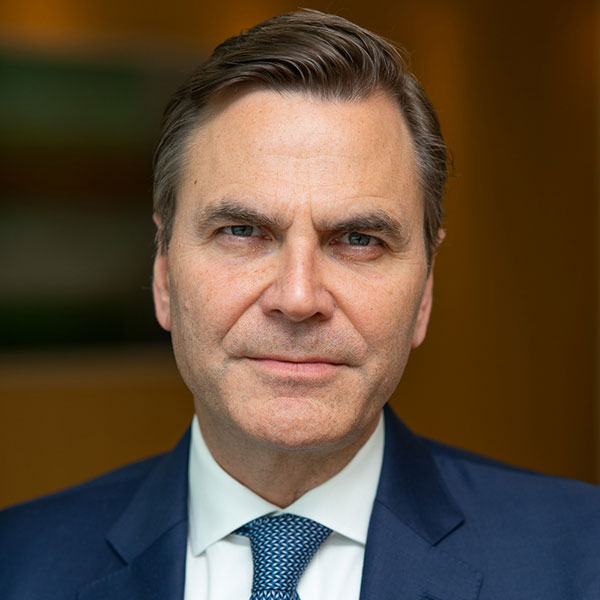
Christopher Thomsen
Equity Portfolio Manager
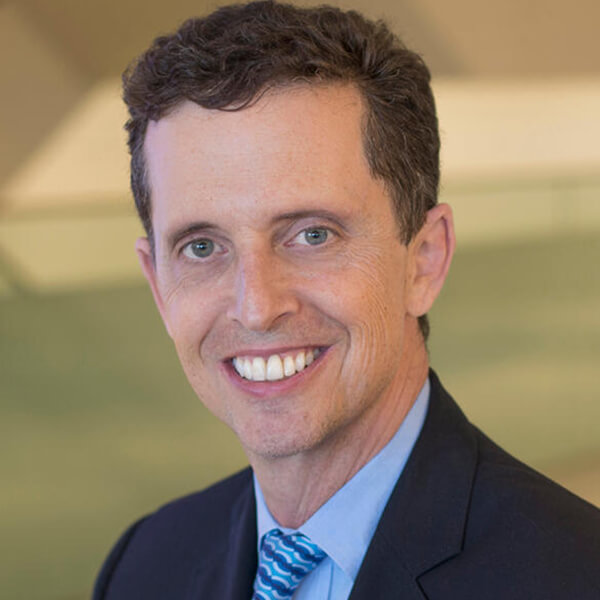
Will McKenna
Content Director

Will McKenna: Hello everybody and welcome to the Capital Ideas webinar series. I want to thank you all for joining us today. It's so great to be back with you after our short hiatus in August. I missed you guys, and I hope you all had a great summer. You know ... And I think we have a very timely topic lined up for you today which is U.S. versus international equities, is the tide turning? You know, so far this year international stocks are ahead of the U.S. by a pretty wide margin. So in the next hour we're going to dig into, will that trend continue or will the U.S. regain its lead in the months ahead? And against today's backdrop of shifting trade and tariff policies, where are we seeing the most interesting opportunities across the U.S. and international markets? And when it comes to your portfolio allocations, how much and what kind of U.S. and international stocks should you consider holding in this environment? So we're going to answer those questions and your questions in the next hour. And we've got two dynamite speakers to help us do that.
Now before I introduce them let me just cover some quick housekeeping details. If you look in the upper right section of your webinar player you're going to find everything you need including the slides for today's event. And listen, I know not everyone on this call is interested in CE credit. But for those of you who are, we have a new and improved process to get your credit. So rather than having to complete a quiz, your credit will happen automatically as long as you do two things. First, you need to fill out a brief CE form which is the top link in the documents tab in the upper right of your player.
And second, you need to stay on this call for at least 50 minutes, 5-0 minutes, and you should receive your credit by email within five business days. And if any of you have tech, uh, questions or or tech problems, uh, let us know in the same Q&A window. We love getting your questions and comments throughout the event, we're going to try to get to as many as we can. You're going to find that Q&A tab in this ... In, in that same upper right section of your player.
So with that, let me introduce our speakers. In this corner representing U.S. equities we have Diana Wagner. Oh, she's ready, she's ready to go. Diana's a portfolio manager on our U.S. flagship blue-chip equity strategy among other portfolio responsibilities. She has 30 years experience, been with Capital for 24. Earlier in her career, as an analyst, she covered a real variety of areas including global semiconductors, paper, and forest products, and U.S. health care services so really a broad range there Diana. Uh, she got her MBA from Columbia, and bachelor's in art history from Yale. So she, uh, combines art and science in her, uh, stock picking. Uh, she's based in New York but is joining us from Milan today. So thank you for doing that Diana. Also ... By the way, she has a great podcast episode with Mike Gitlin on the Capital Ideas Podcast, please check it out after today's call. And we'll have a, uh, QR code later, later in the deck for you.
And in this corner representing international equities we have Chris Thomsen. Uh. What's interesting about Chris ... He was telling me as we prepped for this call, uh, he was born in Hong Kong, spent some of his early years there, uh, and then, uh, another set of years in the Philippines, and Tokyo. Uh. And then he went on to join Capital Group right at the heart of the Asian Crisis. So very interesting background. Uh, Chris is a principal investment officer on our flagship international strategy as well as on the Capital Group International Focus ETF. He has 31 years experience, been with Capital for 27. As an analyst he covered European and Asian media companies, Hong Kong-based utilities, property companies, conglomerates, and small cap along with broader coverage of Greater China and the Philippines. Got his MBA from Columbia, bachelor's from Georgetown. And he is based in London and joining us from London. So thank you both for joining us. For Europe, we have a really international call today.
Um. And Chris I thought I'd start with you because international stocks as, as we said are outpacing the U.S. this year, and that's been happening despite all the geopolitical uncertainty around the world. But the thing is, you know, we've seen this pattern before only to watch it kind of reverse and have the U.S. regain the lead. And so, you know, I think the question on our audience's mind is, is it for real this time? Uh, can the strong showing from non-U.S. companies continue? And how is that factoring into your overall outlook?
Chris Thomsen: Thank you very much, and thank you everyone for taking the time, uh, to listen to us today. So the short answer for me is yes. You know, I think equity, uh, international equities are very attractive today. Um. I can't promise they’ll relatively outperform the U.S., but I think there are a lot of opportunities for our funds to make really, um, uh, profitable investments here over the long term. Um. The first thing I would like to say, you know, is it's been a long winter for non-U.S. markets. Um. It's important to remember that international equities have underperformed the U.S. by 7% a year since the global financial crisis. And that's, obviously, due to, you know, superior U.S. GDP growth and productivity. But the valuation disparities, um, that exist between the U.S. and international markets, due to that performance, has ... Hasn't really closed yet.
Um. It's also important to remember that, um, in international investing there are just some really unique individual standalone companies, um, that are incredibly high quality. And that could be TSMC, Taiwan Semiconductor, in Taiwan making, um, all the chips for AI. It could be ASML in Holland which is, basically, a monopoly for making, uh, the machines to make the chips. It could be a luxury goods company like LVMH in, um, France which, you know, there are really not many U.S. equivalents to something like that. Or it could be Tencent in China which is, you know, one of the most innovative, you know, fintech, and social media, and gaming companies in the world.
And then, you know, there are a lot of, um, international, multinational competitors to U.S. companies and they compete in the same global markets. And you know ... I'll just throw out a few examples of what I would compare. You know, Adidas and Nike, or Airbus and Boeing, or Safran and GE for jet engines. Um. Or Siemens Energy and GE Vernova for, um, power equipment. And their competitive positioning and their valuation are really compelling relative to their U.S. counterparts.
And then I think, you know, you've got to look at valuations. And the ACWI ex-US or the All Country World Index, uh, ex-US, is at 14.6 times P/E, and the U.S. is at 22.8 times P/E. And this is the widest spread in 20 years or two standard deviation difference. Um. And then finally, um, a nice rule of thumb is, um ... The U.S. has had a long-term average weighting in the All Country World Index of 46%, and today it's at 65%. So again, um, you know, the, um ... I feel that the international markets are really undersized, um, and probably cheap relative to that.
Finally, it's more about actions happening, um, that make me excited as well beyond that. And I think we'll get into this later. But there's a lot of encouraging actions in Europe finally, whether it's the Germans adjusting their budget process, deregulating across Europe in various sectors, providing more stimulus in Asia you see in companies. Well, stock markets forced companies to really take a more shareholder-orientated approach with um, um, capital returns and, um, cutting costs. And, and in India recently ... Uh, currently actually, you know, they're doing huge tax reductions and restructurings, um, to try to stimulate the economy. And even China is doing it in, in, in not as great, uh, haste as we would like, but they're trying to address their economic wows ... Woes at the moment.
Finally, we've got a weaker U.S. dollar which is a tailwind for international emerging markets. And, you know, we do a lot of, um, uh, thematic trips. You know, we have a, a cluster that went to the Paris Air Show and looked at aerospace and defense companies. We had our technology cluster go to Taiwan and they visited, uh ... And Korea and they visited all the value chain, I shall talk about, um, of, of AI. And, um ... You know, same thing with the retail cluster, um, going around the world. And the point is, is that there's such a broad range of ideas coming in, uh, to, uh, our calls as recommendations for stocks with the funds that it really indicates to me that we've got really healthy market dynamics.
And then, finally, you know ... I think in a more normalized interest rate environment, I think, we're going to have a broadening out, um, in the markets from the extreme growth or extreme value-led markets. And, you know, that I think is where, uh, Capital Group, uh, and our process, which is really bottom up and very deep, is really going to shine. Um. And so, um, that gives me a lot of comfort and, and positivity for international markets.
Will McKenna: That's a great start, and thank you, Chris. And, and you started to touch on some of the new catalysts, let's say, that, uh, uh ... are, are tailwinds in international markets that probably help explain the case for why international now. Um. And, and I see ... Already see a question coming in, isn't the rally over? So may ... Maybe we'll, uh, we'll pick that up when we dig into more detail with you. Uh, Diana, kind of the opposite, uh, uh, side of the coin, you know. Is the strong U.S. outperformance coming to an end? Do you think U.S. stocks can regain their dominant position? Uh. How are you thinking about all that? And how does that factor into your overall outlook?
Diana Wagner: Um. Thank you so much for having me on this webinar, it's, uh, terrific, uh, to be here with my friend Chris. And, and I have to say, he's very smart and I agree with, uh, uh, almost everything that he said. There are some terrific companies outside the U.S. Um. Non-U.S. markets are cheaper, and there are macro trends that are, uh, supporting, um, kind of growth, or faster growth, uh, outside of the U.S., uh, than we've seen historically. Having said all that, I remain really bullish on the U.S. market. Um. Kind of right now we're in this kind of somewhat treacherous, uh, seasonal period. But looking into 2026, I think that there's going to be some interesting tailwinds that are going to drive earnings growth, that are going to support the market.
Now, Chris makes a very good point about the valuation of the U.S. market versus non-U.S. And the headline P/E of 23 times is scary, and definitely looks high relative to history. Uh. But that's largely because the market's dominated by these mega-cap tech stocks that inflate the overall number. But if we look on an equal weighted basis, the S&P is trading around 17 times which is right in line with historical averages. And so I agree with Chris that the market's going to broaden out, we've already started to see that a bit this year, and there's a lot of opportunity outside the Mag Seven. And so I think the broadening that we started to see this year is going to continue.
Because, you know, when investors worry about macro growth, they've ... We've seen that they kind of hide in the Mag Seven, uh, where there's more kind of assured growth. But if animal spirits are un, unleashed, which I think they are and they're going to be even more, um, we can look more broadly.
And I think kind of ultimately what's going to matter is earnings growth. And we have a lot ... There are great companies outside the U.S. But it's astounding how many truly innovative companies, um, with incredible business models driving incredible free cash flow margins um, and how many of those companies we have. Um. And, uh ... And also, some of the kind of country-specific factors that are going to accelerate this broadening of growth across the economy. If we look into 2026, we're likely to get kind of more interest rate cuts, we've got tariff policy easing and fiscal stimulus coming from the tax bill. And I think all of that could put us, in early '26, into an early cycle stage of growth again. And if that happens then I think that the 13% consensus it's currently expecting for S&P earnings next year, um, could prove pretty reasonable and certainly further support the market from here.
And I think like ... One other thing to touch on that people have started to ask is, are we in a bubble, um, kind of driven by these AI stocks and kind of the broader effect that it's had on the market? And frankly, I think we could well be entering a bubble. Um, it's hard to tell. But even if we are the question is, how far into it are we? So to me it feels like we're still ... And I know we're going to talk about AI a little later. But it still feels to me like we're in the early A's ... Days of AI adoption in corporate America. We're also ... Like when we look at the market more broadly, there's still seven trillion of cash sitting on the sidelines in money market funds.
Um. And, of course, having more room to run doesn't mean that we're not going to have volatility along the way. Um. Kind of even looking at that late '90s period, the Nasdaq saw numerous 10%-plus, uh, pullbacks, um, along that, uh, boom cycle. So we are probably going to get a nasty surprise at some point. Uh. But I think it's going to be important for us to kind of stay focused on the fundamentals, stay focused on the companies that we're excited about, and doing kind of fundamental bottoms-up work to get conviction in, and, um ... And, and, uh, make sure that, that we stay invested.
And I guess kind of in talking about the bubble, one thing that I take comfort in is that dentists, or at least my dentists, are not quitting their day jobs yet to become traders. And so ... At least in America politics and football still seem to dominate conversations so far this year. And so maybe it's a little, uh, early to be concerned about a bubble at this moment. But, you know, we could be entering one for sure.
Will McKenna: I like where you're going with the, uh ... Sort of the dentist index. I could, I could see that as a, as a fun thing to track. Uh, love, love the theme of broadening, we're going to get into that. And thank you for teeing up the idea. I know on a lot of our minds is hey, we lived through the '90s, doesn't ... Haven't we seen this movie before, so maybe we get deeper into that. I just want to give a shout-out to Brian in the, uh, in the audience who noted that, hey, great timing for this webinar with the Ryder Cup this weekend. Didn't even think of that. Thanks, Brian. Uh, we should have marketed that, but, uh, maybe next time. Hey, maybe a quick sort of lightning round, one-minute answer from each of you. Um, how are you navigating the whole tariff and trade backdrop? Uh, uh, are you, uh, depending on your companies to adapt, are you making any changes relative to the types of companies you think will do better in this environment? Um, you know, maybe Chris, jump in there, just, just kind of quick, your quick thoughts.
Chris Thomsen: Um, gosh. Quite complex to give you a minute, but let me try. You know, basically, what I would say is that, you know, international investors, we've been dealing with all sorts of externalities. Um, um, like COVID lockdowns, sanctions with China, real wars, and now the trade wars. And, um, you know, um, obviously, it's going to have implications for global growth. It's very complex because, um, you know, some of the jobs that, um, you know, the U.S. is claiming will be re- um, relocated to the United States will be highly automated and not create as many jobs. Another thing, uh, to think about is that the scale of investments promised might not materialize. And then, obviously, um, you know, uh, tariffs aren't great for global growth. Um, the tariffs keep changing, which is another reason why things are so complex as the companies, countries negotiate. And so, and it's different for different industries, right?
So, it's been very, very difficult. What I'd say is that, um, uh, you know, we, we have analysts who are looking for each industry of, of how it's going to play out with the manufacturers, um, absorb the tariffs or, or the customers or, or the retailers. And, um, what, what, what really gave me, or what I did, um, that really helped me out was, one, is that our, our macro team helped me understand that seven countries were, were responsible for 82% of the U.S. trade con- uh, deficit. So originally, I thought, oh my God, this is going to take like three, four years to negotiate with a hundred countries at once, when really, the seven countries, and counting the EU as one country, were really, um, um, you know, the majority what we could solve. And frankly, once a few of them started, uh, coming to the table with concessions, um, it, the process happened a lot faster than I thought.
Will McKenna: Cool.
Chris Thomsen: Um, can I mention two more things? One is that, you know, we do a lot of deep research and, you know, the, the market correction was incredibly quick, so you couldn't really react on the day. But because of our deep research, I had the confidence to really invest in blue-chip companies like aerospace or tech. I knew what our long-term, uh, valuation was on a, you know, five-year basis and not, you know, next quarter. Um, and then finally, you know, one thing that in this uncertain environment in the last few years that I've done is really run a lot of ballast in my portfolio, and I balance out, um, um, you know, a lot of the growth areas with telecoms and utilities and tobacco, um, so that you can manage the volatility with, um, with, with buffers and quickly reallocate to cheap blue chips when there is volatility.
Will McKenna: Got it. Got it. Well, I'm, I'm going to forge ahead, um, and we may return to that, Diana, later, but, uh, OK. Alyssa, uh, I, if you would, just please put up the first audience poll for our audience. OK. And that audience poll is what is your favorite fall activity? Uh, so let us know in the comments and we'll, we'll return to some of those examples when we get back. Uh, we want to do a deep dive now on U.S. and international equity opportunities. Um, Chris, you touched on this, but, um, you know, the main reason, let's say a main reason for owning international stocks has been lower valuations versus the U.S., but now we are seeing some of these new catalysts emerge, but the German stimulus, higher defense spending, regulatory reform, which you touched on. Can you talk about that in a little more detail, share some examples, uh, uh, of how that's providing investment opportunities and, and affecting your investment decisions?
Chris Thomsen: Sure. So, um, I think due to the NATO friction and the trade tariffs, you know, Europe's really on the front foot to really improve its competitiveness and its self-sufficiency, and it's kind of been pushed there, um, um, in a, in a stronger way because of these things. Um, you know, I think we can't underestimate the Germans, um, who have the strongest balance sheet in the world, eliminating defense from their budget cap, which means they can spend more on their core fiscal, um, expenditure, and they can also spend more or unlimited amounts on, on, on defense. Um, defense spending, um, as you mentioned, um, everyone's getting to 2% of GDP on spending. Um, now, some are aiming towards 5% of GDP in, in, you know, 10 years.
And today, when I look at the total return of, you know, high teens for a lot of the European banks, half of that is coming from dividends. So it's really, um, you know, a substantive, um, uh, thing that's locked in with the dividend yields. And now that, that we might have potential cross-border, um, consolidation where you've seen Santander, for example, recently sell Poland and beef up its position in Brazil to be the top three there, or the Italians trying to consolidate in Germany. So if you have, you have market consolidation, I think that would be very good for the banking sector.
Um, you know, we talked, uh, very briefly in the beginning about value up in Japan, and this is a really unique, um, you know, I, I grew up in Japan. I've been covering Japan for 28 years, and today when you go see a Japanese CEO, one of their first slides in the slide deck is how they've improved return on equity, return on invested capital, what steps they've taken, selling non-core businesses, um, eliminating cross-shareholdings, paying out much higher dividends. And, um, this has really had huge, um, implications for the stock returns. And the Koreans are very competitive with the Japanese. And so, they've done the same thing now, and we've seen huge success, um, of the financials and also the industrial companies.
And the big question I was thinking about the other day was, well, what if China, who's hugely strategic, what, what if they follow that as well? You know, that could be very interesting. You know, they've, um, are trying to tackle excessive price competition right now via their Involution campaign, but eventually, they're going to have to do reform. And, um, I think that this could be a really exciting area that would help revalue, uh, China more. And then finally, as I mentioned, you know, India under Modi, you know, he's continually doing tax reform simplification of, of, of regulation. So, you know, these are just, again, active catalysts rather than valuation differentials that, you know, I find really interesting and make, um, uh, international, uh, pretty compelling for investments.
Will McKenna: OK. Great. And, and Diana, I want to bring you in, and maybe a two-parter for you. Uh, let's dig into the investment themes and opportunities you're most excited about. If you wouldn't mind, start with AI, we start to reference that and how you're thinking about that, and then why don't you move into the, uh, uh, non, non-tech, non-AI themes that you're, uh, that you're zeroing in on.
Diana Wagner: Sure. Um, well, on AI, as I said earlier, I think we're still in the early innings, but it definitely won't be a straight line. And I, and I think we are seeing some signs of speculative activity, which feels like it could be the start of a bubble.
Now, I still think the best way to invest in AI is through the picks and shovel suppliers, uh, in particular semis and semi-equipment, uh, because frankly, they're not priced for nirvana. Even a stock like NVIDIA is trading at only 25 times next year's earnings. So the market is already pricing in a big slowdown in growth. Um, and so, in addition to semi and semi-equipment stocks, I also, um, think that, uh, we've had a lot of opportunity and continue to have opportunity in infrastructure. And so, I've been kind of trimming some back, but that's been a mistake so far. Uh, but, you know, I’ve got to keep my valuation discipline. Um, and you know, just on the theme of AI, I think that another opportunity that's being created is all of this collateral damage of companies where the market has this debate, whether they're an AI winner or an AI loser. And among those companies, one that I've been really intrigued by is Salesforce, ticker CRM.
Their customers say that they don't want, that, they, it doesn't make sense for them to build out their own AI applications for, um, for CRM. They want to use the Salesforce, um, AI capabilities. So I think there's kind of several, uh, ways of looking at opportunity coming from AI.
Now, if you want to talk about opportunities outside of AI and technology and kind of infrastructure around that, uh, an area that I mentioned earlier that I'm really quite excited about is industrials. And industrials, you know, so far the reality has been all around AI and aerospace and defense and, you know, just mentioned AI and, uh, aerospace and defense. Uh, Chris mentioned some great companies in Europe, and we also have kind of great companies in the U.S. and Will, if you will permit me, I just want to digress for a minute to tell you about this incredible industrial cluster trip that we had last week-
Will McKenna: Love it.
Diana Wagner: ... um, where we visited some of these companies. Can I do that?
Will McKenna: Indeed, you can.
Diana Wagner: All right. Well, so last week we had a really great trip. We do trips like this all the time. I feel like I'm luckiest, I’ve got the best job in the world. I'm so lucky to be an investor here. Uh, but we were in Boston with our industrial cluster, and we went to visit, um, a bunch of industrial companies. The great state of Massachusetts has a lot of very, um, high-quality companies, especially in the industrial, uh, sector. And we went to visit a GE Aerospace jet engine manufacturing site, and we were there with the CEO, Larry Culp, the CFO, and several other leaders. And this is the first time they've let investors visit the site. And frankly, Will, if you, if you were there, you could see why. It, it's an old facility, and to me it looked like something out of the 1950s. When I said that to Larry, he said, you should have been here two years ago. It looked like it was out of the 1850s.
So, um, but, but what we saw on this visit was a dramatic culture change since GE Aerospace was spun out of Mother GE, and basically, a huge focus on transparency, accountability, and operational excellence. Um, as Larry put it, they used to focus on quarterly goals, like, and so, their production would be like a hockey stick. And so, like last two weeks of the quarter, they'd be kind of doing everything they could to pull a rabbit out of a hat. And now, under Larry's leadership, they're focused on daily goals, on winning every day. And so, that's made their production a lot more linear. And so, and that's driving massive margin improvement. And Larry said, that's still in the second inning.
So it was incredible to visit this plant and to see kind of this transformation, uh, before our eyes. Um, but looking kind of more broadly at industrials and some of the tailwinds that I'm excited about, you know, there's the onshoring, which maybe won't produce as many jobs as, you know, our president hopes, but, you know, it's, it's happening. Rate cuts, a weaker dollar, and stimulus from the tax bill, including a hundred percent bonus depreciation on capital equipment. And so, all of these things should be really positive for industrial stocks. And frankly, it's, it's somewhat, you know, reflected in, um, the better stock, uh, price, uh, results we've seen in recent months. Um, but I think that these trends are going to last a while. I mean, if you look at onshoring, we've had 20-plus years of offshoring manufacturing to China, and now we're kind of reversing that. And given the bottlenecks in, in the U.S., on labor and regulation, I think that this is going to take, reshoring is going to take many years and be a persistent tailwind to industrials. Um, and also, um, the government is apparently working on another infrastructure bill, which could be a further booster. Uh, and, and then the other thing I'd point out, um, on industrials is that outside of AI and aerospace defense, the industrial end markets have actually been in decline for the last two to three years with ISM below 50. And that's the longest downturn in decades. And it will turn at some point. And, you know, if, there are a couple of other companies that I could talk about that we saw that I think will be huge beneficiaries of ISM turning and some of these tailwinds that I talked about, but I don't want to take up too much time. Will, um, I'll take your cue if you want me to touch on those.
Will McKenna: I love it. And let's, let's return back to that. And I think everybody on, on the call can, can hear and feel Diana's passion. Um-
Diana Wagner: (laughs)
Will McKenna: ...and cool to hear about the cluster, the industrial cluster trip. And, uh, you know, safe to say, I think we enjoy great access at Capital Group to those, those c- companies, those senior leadership teams as you told that story about Larry Culp and the, um, that old facility that's undergoing that, that kind of change. And just to, uh, clarify maybe for the audience, when we say picks and shovels, it goes back to the Gold Rush concept of it was all, it was not necessarily the gold, you know, guys finding gold who were the big winners, but those who provided the picks and shovels for it. Uh, Chris, I see your hand in there. You want to get a point in?
Chris Thomsen: I was just going to add, I was going to add two more points to, to, uh, Diana's comments.
Will McKenna: Please.
Chris Thomsen: Um, spot on with the value chain. Um, two other areas that, that, um, uh, that, that we find very interesting in non-U.S. markets. One is adjacencies. So it would be copper, it would be the grid investments by utility companies, and it would be obviously the power companies, um, the power equipment companies that are making all the, uh, e- equipment to make more power for the data centers and whatnot. But the other, the other thing that's really interesting is the cost cutting that's going on. And today, you know, we talked to, I mean, in the U.S. you'll know Microsoft fired 8,000 people two months in a row. Recruit, which is a Japanese company that owns Indeed and Glassdoor, the two U.S., um, websites, companies, um, you know, they cut 10% of their software engineers last year and they'll cut another 10% this year. And, you know, these are very expensive white collar workers. And so, you know, it makes me think, could we be in an environment where we get, you know, higher GDP growth with higher productivity growth with lower costs in inflation, and the implication for the market there is quite interesting.
Will McKenna: Yeah, that's great. And I'm glad you got that in because I, I feel like the two of you are neck-and-neck, U.S., international, we, we, you know, we've got a rating system going on. Um-
Chris Thomsen: Could be both.
Will McKenna: Let's, yeah, could be both. Let's go ahead and, uh, let me share some of the great, uh, ideas we got back from the audience in terms of their favorite fall activities. And, uh, you, you won't be surprised to hear many folks, uh, were involved with pumpkins in one way or the other, p- going to the pumpkin patch, uh, but also drinking pumpkin ale. OK, we like that. Uh, here's a good one, who can resist jumping in a pile of leaves? I love that. Let your inner child out. Um, I've, if I read this correctly, visiting our 109th country, uh, congrats to you. A lot of gardening. Um, um, coaching, uh, youth football, a lot of football, some fishing. One near and dear to my heart, oyster roast. As a person who grew up in Savannah around Charleston, uh, love an oyster roast. So, uh, thank you all for that, that great input.
Um, you know, Chris, uh, we haven't given you a chance to talk about some of the more specific opportunities. I think you referenced them, but, um, anything you want to add in terms of the areas that you're focused on these days and as an international investor?
Chris Thomsen: Sure. Um, one thing that, that I think is pretty exciting is, uh, telecom consolidation. And, um, you know, where I got this idea was a few years ago. I mean, I'd been covering India for decades now and at 18 telecom companies. And no one could raise prices, and it was overcompetitive, and you couldn't have a nationwide license. And gradually through mergers and bankruptcies, you have two and a half now in India, the half is a bankrupt one with $30 billion of debt guaranteed by the government. And so what's happened is that you've had a change in market structure to an oligopoly. The Indian government has said, you’ve got to raise prices because we need to keep this half player alive. And, um, what's that resulted in is, you know, higher margins, higher cash flow, higher dividends, um, and they're also benefiting from falling 5G investment as that's been rolled out.
So that telecom consolidation theme has really been working like, like fantastically for several years in India. But now we're seeing that, um, replicated in Indonesia, in Thailand, in Singapore, in Australia, you know, in Europe with Deutsche Telekom, you know, they own, um, uh, you know, high 50% of, of T-Mobile in the U.S. which is also consolidated market structure. So I think telecom consolidation, um, you know, is a really interesting place just because of the rising cash flow and the ability to raise prices. The other one I'd say maybe is gaming. It's really interesting to me. Companies like Nintendo, Sony, Tencent, NetEase, you know, the concentration of development talent into these companies is really important. Also, the consolidation of platforms available in the world. And then the cost and the complexity has risen a lot to create these games.
And, um, you know, the amount of time spent on gaming is rising, the amount of time spending on mobile casual gaming is rising. And then in China, where two of the big players are, you know, the Chinese government didn't allow new games to be introduced for two years, um, because it was worried about the gaming influence on young people. What that did is kill all the small players on the vine. And the big two incumbents, um, are now stronger than ever. So I think gaming's really important. And then finally, you know, you know, we're talking about all the, the great booming, you know, AI stories and, and European banks and whatnot. But there are a lot of, you know, really interesting bombed-out sectors, um, that we're looking at and having some, you know, spending taking the time.
Luxury goods companies have not done very well, um, because of China and overpricing. Anything to do with alcohol like Pernod or Diageo had derated significantly. Um, the Ozempic GLP-1 space has had a huge correction because of their compound is United States. You know, European autos and the whole value chain, there's also had a massive correction because of, um, - EV imports from China. So, you know, there's a lot of bombed-out sectors that I think also provide compelling maybe turnaround, um, opportunities.
Will McKenna: That's great. And, and you said bombed-out sectors. Um, but I thought it was interesting you talked about telecom consolidation. And, uh, one of the things I interpreted there is, is your ability to have pattern recognition.
Chris Thomsen: Yeah.
Will McKenna: After you see that play out in India, you can then see it in other markets and take advantage of that, uh, as you go through. Um, I wanted to go ahead and, uh, one comment in the, in, in the comments was, can we hear more about Diana's visit to some of the industrials? That's a great Capital Ideas, article ideas. So don't, you know, keep your eye out, we'll probably follow up on that. Um, let's go ahead and pivot now to, given all your ideas in this outlook, what are the implications for your portfolio positioning? Um, so curious how you and the audience feel about your international allocations. Are you overweight, underweight, or, or kind of balanced? But, um, uh, maybe each of you, Diana, talk about how are your portfolios positioned for today's environment? Any adjustments you're making based on, you know, your outlook and everything you've shared with us so far?
Diana Wagner: Yeah, well, and, and I can also kind of share how I'm thinking about the role of non-U.S., because I do manage in some global portfolios. And I guess, kind of, um, big picture how I'm kind of responding to the environment is, listen, you know, we talked about some big important themes, um, and, um, themes that I think are going to be enduring. But again, you know, there's going to be some short-term volatility in the market, for sure. And I'm cognizant of those risks. So, you know, I'm looking at fundamentals, focused on companies with valuation support and trimming others where valuation has gotten a bit ahead of itself. So, you know, um, one, uh, you know... So we talked about some of the, uh, big tech companies where the long-term fundamentals are great, but maybe valuation has gotten a little ahead of itself. Um, uh, some kind of, well, not even tech companies, but uh, just companies in general around the AI theme where valuation has gotten a little bit ahead of itself.
Um, and, um, and on the margin, I'm also shifting some to areas where, um, the market's really left them behind. Like health care, we haven't talked about health care. I spent more than 20 years of my capital career-
Will McKenna: I know. You're a health care investor.
Diana Wagner: …also on health care. And it's been torture to be a health care investor in the U.S. over the last few years. It's again, like the worst performing sector this year. It massively underperformed the last two years. Uh, but you know what they say, it's always darkest before the dawn. And I see a lot of opportunities kind of in inno- on the innovation side, and from the biotech, and also on the health care services side, where I did my time (laughs) for 20-plus years. So looking at, um, the hospitals and managed care and, uh, and, uh, drug distributors and things like that. And managed care is an area where, um, those companies have been under a lot of pressure over the last few years. And I think that the tide may be turning, um, uh, at least for, uh, a group of those companies that are, uh, exposed to the Medicare Advantage, um, part of, uh, the health insurance market.
Um, so, so that's kind of where I- I'm kind of incrementally hunting, but I'm still, you know, with a long-term lens, definitely excited about, you know, my tech companies and my industrial companies, my financials companies with valuation support. And in terms of U.S., non-U.S., you know, there are so many exciting stocks in the U.S., but of course sometimes there are really striking opportunities outside the U.S., like we talked about European banks or defense stocks over the last few years. But I'm going to be selective and, um, I'm going to try to find the best companies. And if I can't find them in the U.S., I'll look elsewhere. Um, and you know, so I think kind of, if you look at my portfolios, you will see that I have an above-benchmark exposure to the U.S. in the funds, um, where I manage money. But that's mostly a result of me looking bottoms up kind of company by company and finding just a lot of, uh, stocks to be excited about in the U.S. market.
Will McKenna: Yeah, that makes sense. And, and you know, as I asked that question, uh, to the audience, I was seeing most, most responses, Kurt and others, uh, felt that they were, uh, s- still underweight international. He said about 10% some others. Um, so given that, Chris, how are you, uh, positioned in your-
Chris Thomsen: Yeah.
Will McKenna: ...uh, portfolios these days?
Chris Thomsen: I'm going to break it down in two ways. One is just, um, and I don't invest in the U.S., I really do, do non-U.S. So in just in international markets, just a data point for you guys is that from the global financial crisis till 2021, growth outperformed value by 4%. And from 2021 till today, value has outperformed growth by actually 8% per year. So it's actually 2X, which is we've, we've had these real, um, um, I think polarized markets. And I think now with more normalized interest rates and some of the growth playing out, um, that, that Diana and I discussed, we should see a broadening in the market, which I think as I mentioned, will play to our strengths of deep research.
For me, I mean, I approach the market with kind of three buckets. Um, one is, um, secular growth themes, and that would include looking at, um, market structures on oligopolies. And there, the examples would be, as I mentioned, AI value chain like TSMC or Hynix. Aerospace, like, you know, Airbus or, or Safran. But also things like in trucks. Um, you know, the trucks are an oligopoly around the world. And like Diana said, nobody... There, there's certain areas where people just haven't spent in industrials in a long time, people haven't. The, the replacement cycle is really extended in trucks. Industrial gases, again, is an oligopoly, which isn't the highest growth mar- market, but it's incredibly organized and clearly disciplined, um, about, um, returning capital and allocating capital. Then the second bucket is special situations, or idiosyncratic ideas, or turnarounds. And there, you know, two big successes in recent years that, you know, SAP, the software company in, in Germany.
And there, the catalyst was a new CEO coming in. And, you know, there was just so much fat to trim. And, um, you know, it's been a huge success story as he's raised prices and cut costs. Rolls-Royce another example, you know, within the aerospace, which has been a shining star. Rolls-Royce was really a dog, um, had multiple CEOs that couldn't turn it around, and a new CEO came in. He, um, said, this is an oligopoly, we have to raise prices. He also fixed some product issues, but that was the key thing. And all of a sudden, the free cash flow and the balance sheet of the company looks completely different. And, you know, today there are, um, companies like Novo Nordisk just fired its CEO, Nestle just fired its CEO. Um, you know, as I mentioned, we're looking at luxury, maybe alcohol, like, are these things going to turn around? That's a real opportunity for our deep research to shine and add value and, and, and alpha for our shareholders. And then finally, I mentioned ballast. And with the volatility we're seeing, um, you know, and, um, you know, if, Diana said maybe we're in a bubble and then there'll be, um, you know, knock-on effects in the markets you need to have ballast in your portfolios.
And some of the ballast with, you know, um, is really actually interesting, uh, growth opportunities or, or valuation opportunities for us. And I mentioned telecom consolidation, but look at the utility sector, which in Europe has been, you know, pretty, pretty weak for a long period of time. But now with the investments they have to make in upgrading the grids, um, there's a big opportunity there. And so I think, you know, it's really important to look at all three of those. And then, as Diana mentioned, you, you really have to be, um, quite merciless and, and detailed on valuation and, and being disciplined, um, when, when, um, situation requires it.
Will McKenna: OK, great. So I heard secular growth, special situations and ballast.
Um, one thing I want to return to, we were talking about portfolio allocations. Uh, and for our audience, I would really encourage you to reach out to your Capital Group team if you have questions about, hey, do I have the right mix of U.S.- international for today's market? Um, we have a lot of resources you can tap into, and that team has a lot of, uh, uh, knowledge and, and, uh, guidance they could possibly provide that obviously we're not going to get to in this call. Um, hey, let's round, round toward home, guys. Um, uh, okay, Alyssa, let's pull up one of our favorite questions about books and podcasts. Come on, man. How do you, how are you guys liking the sound effects on, on the show, uh? To let us know if those are, are good or bad, that's a new feature. Um, maybe, uh, Chris, start with you, but our audience loves hearing about anything that's, uh, catching your attention these days on your nightstand or good podcast ideas. Chris, uh, what's, what, what are you thinking about?
Chris Thomsen: And I'd, I'd include audiobooks in there as well. I think, you know, Diana, I spend a lot of time on planes and airplanes and hotel rooms late at night, which jet lag and audiobooks are just a great way to kind of relax. Um, since I'm the international guy, um, um, you know, I'll talk about just three books that I think are pretty fascinating, um, in terms of getting to know a country better. And, um, you know, it's really important I think beyond particularly the media today to understand how country's and systems work that are different from ours. So the first is, um, a book called Red Roulette by Desmond Shum, who I've actually met. He's an entrepreneur in China who kind of came up through the... It's how an entrepreneur navigated the communist system in China to build a big property business, and then how he fled China, um, at the top.
And, and his ex-wife was imprisoned, um, and really never seen again. But it's really, if you want to understand how China works, how business and government intersect, it's just really fascinating. The other book that, um, that I, I loved was a Blood... A book called Blood and Oil, and it's written by two Bloomberg journalists who wrote The Billion Dollar Whale. And it's about the story of Saudi Arabia, the rise of MBS, the leader there, and really the Middle East and how it works with the Emiratis and Iran and whatnot. And, you know, I didn't know enough about the Middle East. I grew up in Asia, but really was fascinating for how that area of the world works again.
And then finally, um, I went back to a Georgetown reunion and listened to a professor at Georgetown who's one of the top specialists on Russia called Angela Stent, and she wrote a book on, on, on Russia called Putin's People. Which again, just a fascinating way to understand, again, how that system works. And, and all these things, they help me, um, and, and think about, uh, investments in these countries where sometimes it's things work differently than they work in the West. And it's really important to help, you know, understand how countries nav... Companies navigate that and, and what the risks are for some of our investments.
Will McKenna: OK, three great ideas. Diana, what about for you?
Diana Wagner: I have something very, very different from Chris, though I wrote down all the names of his books. They all sound fantastic. Um, so I'm listening to this really interesting podcast called Speaking Soundly, and it's the principal trumpeter of the Metropolitan Opera orchestra, David Krauss. And he's incredibly articulate and interviews famous musicians about what makes them good at what they do, and also their career paths and kind of life stories. And David is a fantastic question asker, which is something that I really admire and I love that his questions are not just from music geeks, uh, but really anyone can relate to them. And I especially love his interviews with conductors because conducting an orchestra has parallels to being a CEO, and it's really interesting to hear famous conductors share leadership lessons.
Um, and the podcast also has had a few guests with unconventional backgrounds and hearing the personal journeys of some of those people and what made them successful is really inspiring. For instance, there's this incredible trombonist in the Metropolitan Opera orchestra named Paul Pollard, who grew up in the rural south playing football and never touched a trombone, never had a trombone... Actually, no, that's not true. He had touched a trombone, but he had never had a trombone lesson until he was in college, and now he's a trumpeter, or sorry, a trombonist in the Metropolitan Opera orchestra, which is just incredible. So, um, that's one of my favorite episodes and is a podcast that I find just, uh, endlessly, uh, interesting.
Will McKenna: Fantastic. That's probably the, the most variety we've ever heard on this show, so thank you both for that. OK, let's do this. Let's round, uh, round it out with a final question. Uh, key messages you want to, uh, leave with our audience today, Chris, over to you?
Chris Thomsen: Um, I would, I would make a couple points here. I'd say, first of all, you know, I'm still pretty optimistic on international markets despite the, um, strong performance in, in the markets this year. Um, I think I mentioned that, um, a range of industries and companies, it's not just AI-focused, but, you know, there's all sorts of things that we're excited about. And, um, you know, one of the things the, that I also want to stress is, you know, our deep research allows us to kind of find these ideas and I think in a, in a, in a less polarized environment and normalized interest rate environment as some of the investment themes that, that we talked about come through and also, uh, maybe the tariff issues kind of die down and work their way through the system that, um, you know, we're able to find, um, these ideas. But also that the deep research allowed us to, to make decis... Decisive decisions during the volatility.
And that's really important. You know, we've got 180 equity analysts plus a fixed income division, plus a macro team. And, you know, it's really a pleasure to work with these analysts. Um, as Diana said, we get to go on these amazing kind of, um, uh, deep dive trips, um, you know, through factories and, and and whatnot to, to really understand better how these companies work and get to the guts of them. So, um, yeah, I just leave you with, with, uh, a sense of our optimism on inter... My int... Optimism on international markets and the depth of our process and what we go through to, to find ideas.
Will McKenna: Yeah, that's a great message. Uh, Diana bringing us home.
Diana Wagner: Well, and I'm optimistic on Chris Thomsen. He's an incredible-
Will McKenna: (laughs)
Diana Wagner: And I would listen to what he says. Um, and I think, you know, in the U.S. markets, uh, because of Mag-7 and other kind of popular themes, there's been this kind of distortion, um, in the index. Um, and I think, and we have to be cognizant of that. But what that means is that the index is to... The index is top-heavy, and that means that there's a lot more opportunity for active investors like us who can look kind of beyond, um, the index itself and, uh, really find those unique opportunities that can outperform over the long term. So I think this is a moment for active managers, uh, to shine. And, and I think you're starting to see it, um, in our results. And, uh, hopefully that will continue. And, you know, even though I'm very bullish on the U.S. market over the next few years, I fully expect the markets will be volatile.
Um, but it's really during times of volatility that Capital's bottom-up fundamental research process and our focus on the long term will be our advantage as it has been in the past. Um, and it'll help us kind of find the signal in the noise. So I think, um, between kind of, it's an opportunity for active managers and volatility creates opportunity for our kind of fundamental bottoms-up process.
Will McKenna: Uh, another great message and uh, Cathy in our audience says Diana has the best smile. So, um...
Diana Wagner: (laughs)
Will McKenna: Thank you.
Diana Wagner: Thank you, Cathy.
Will McKenna: Thank you, Cathy. Let me just say this too, I know we didn't get to everyone's questions. I know that can kind of be frustrating. Uh, I would say to folks, uh, we do share your questions with your Capital Group team, so you should hear from them. Uh, but if there's something you want to really follow up on, um, feel free to reach out to me, I'm will.mckenna@capgroup.com, and, and just put, you know, webinar questions or something in the, in the subject line, so I, I know it's, uh, coming from this. But with that, listen, before we sign off, I, I do want to remind everybody to check out the Cap... Capital Ideas podcast. We've got a fun recent episode with Diana and many others. Uh, and please mark your calendars for our next couple of webinars in October.
Uh, we are having a friend of ours from KKR join John Queen to talk about, uh, private market opportunities and our macro outlook there, uh, and then our 2026 Outlook in December. Uh, hey, listen, I want to thank everybody for your engagement. Great questions today. Uh, it's really because of you, Capital has continued to be voted number one for thought leadership in this case for the sixth time. And let me thank Chris and Diana for your great insights. It was a great battle royale, U.S.- international. I feel like you both won. Uh, I hope all of you in the audience found this as interesting as I did. And thanks again and enjoy the rest of your day.
1 hour CE credit for CFP, IWI and IAR*
International stocks are challenging U.S. dominance — and the stakes are rising. Is this the start of a seismic shift or just a head fake? Will the U.S. market broaden beyond the Magnificent 7 to start another leg of growth? Where are we seeing compelling opportunities in today’s uncertain environment? And what does it all mean for your portfolios? Join live to be among the first to hear what’s next.
What you’ll learn (and earn) by attending this event:
- New catalysts driving international stocks
- The next leg of growth in U.S. markets
- Asset allocation strategies in uncertain times
- 1 hour of CE credit just by attending — no quiz required
Join equity portfolio managers Diana Wagner and Chris Thomsen for an unfiltered look at U.S. vs. international stocks — plus, take the conversation further in a live Q&A where your questions drive the discussion.
Event date:September 25, 2025
Diana Wagner is an equity portfolio manager with 31 years of investment industry experience (as of 12/31/2025). She holds an MBA from Columbia and a bachelor’s degree in art history from Yale University.