The world is moving into an era marked by heightened geopolitical risk, growing trade and policy uncertainties, and diminishing consensus on multilateral, rules-based institutions. We examine how these different forces can interconnect and what the outcomes could mean for investors.
KEY TAKEAWAYS
- Technological disruption, geopolitical realignment and evolving capital flows will test the resilience of the U.S. economy.
- The foundational pillars of productivity, governance and financial stability remain strong, though their future will be shaped by how effectively the U.S. and its global peers adapt.
- Our themes to monitor include productivity gains, global trade, debt sustainability and the durability of shareholder-centric governance.
1. Will AI deliver a productivity revolution?
The diminishing influence of labor and capital as primary economic drivers indicates that productivity may become the fundamental key to growth. We discuss whether AI could become the next transformative force – on par with railroads, PCs and the internet – and explore the balance between technological advancement and investment in the U.S. and globally.
2. A reordering in global trade can change capital flows and asset prices
Trade and capital flows are inherently linked. Rebalancing the existing system will likely have multiple macroeconomic and market impacts. Shifts driven by U.S. policies have already begun to take effect. We examine three shifts underway that may provide clues to the potential impacts of current account rebalancing: the repatriation of portfolio flows, the redirection of foreign direct investment (FDI) and higher fiscal spending in non-U.S. markets.
3. The U.S. dollar is facing some speedbumps but still reigns supreme
Depreciation in the U.S. dollar may reflect a discount due to concerns over U.S. fiscal sustainability, central bank independence and policy unpredictability. However, while the dollar may be facing cyclical headwinds, the structural foundations of its dominance – liquidity, trust and institutional depth – continue to anchor investor behavior.
4. Governance appears to be improving globally
Global governance standards are converging. While the U.S. has long set the benchmark for shareholder alignment, markets like Japan and South Korea are closing the gap through governance reforms, driving renewed investor interest. Despite rising global standards, the U.S. retains structural advantages including deep capital markets, legal clarity, and an active shareholder base, which continue to support its leadership position.
For the full in-depth analysis, download the report below.

Andy Budden is an investment director with 33 years of experience (as of 12/31/2025). He holds both a master’s degree and a bachelor’s degree in engineering from the University of Cambridge.

Natalya Zeman is an equity investment director with 10 years of investment industry experience (as of 12/31/2025). She holds a first-class honours degree from the University of Oxford.
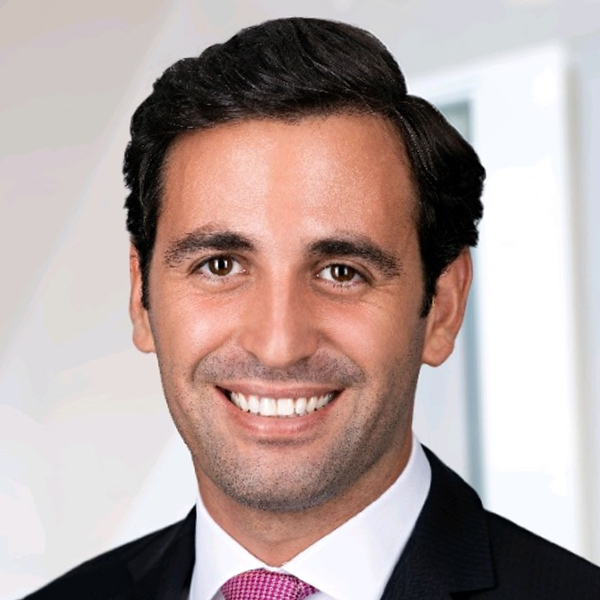
Alvaro Peró Gala is an investment director at Capital Group. He has seven years of investment industry experience and has been with Capital Group for one year. He holds an MBA from INSEAD, France, and holds both a master`s and bachelor's degree in industrial engineering from the Universidad Politécnica de Cataluña. He also holds the Chartered Financial Analyst® and Chartered Alternative Investment Analyst℠ designations. Alvaro is based in London.

Richard Carlyle is an equity investment director and portfolio strategy manager. He has 44 years of investment industry experience (as of 12/31/2025). He holds a bachelor’s degree in economics with honors from Leicester University.