When I served as a United States diplomat, we often said that war is the failure of diplomacy. The inconclusiveness of initial negotiations in Islamabad underscores just how fragile diplomacy can be.
Like all wars, however, this war too shall end, and it is clear it will be via a negotiated peace agreement rather than an unconditional surrender. The rocky road to peace only just began in Islamabad, and it was too much to expect full resolution from a single round of talks.
So if we believe that stability will ultimately be restored, what marks on the world will this war leave behind? A conflict-free Middle East after the war appears unlikely, given that deep mistrust and tensions will remain among Iran, Israel, Hezbollah, the Gulf countries, and the still-stateless Palestinians. Even so, my view is the region will eventually achieve a “new normal” that can deliver some stability and allow for the gradual recovery of the world’s economy.
Beyond the region itself, the Iran war has already changed geopolitics in lasting ways. Here, in my view, are four long-term implications of the Iran war:
1. Weaponisation of economic choke points
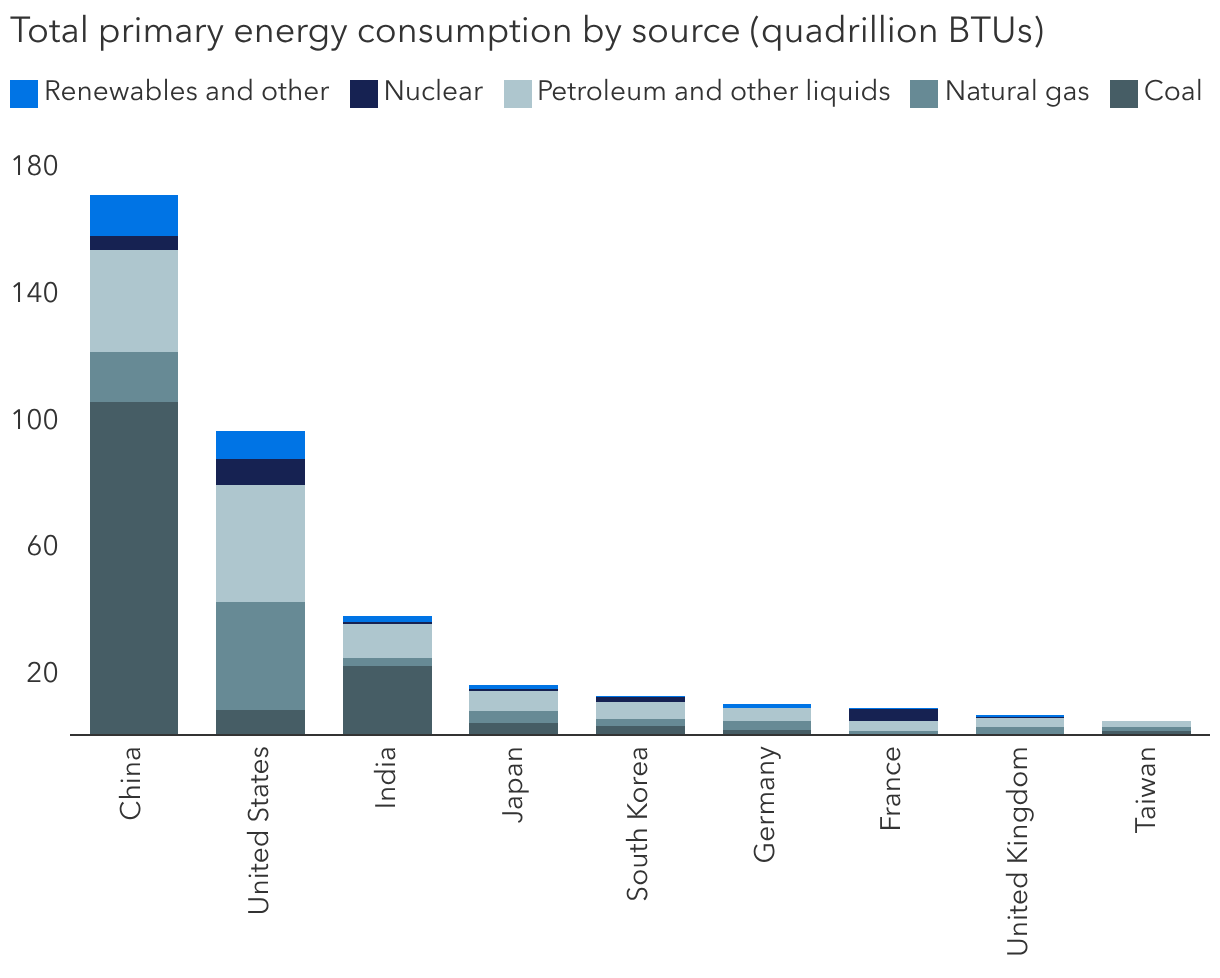
Iran’s ability to control the Strait of Hormuz with little more than inexpensive drones, mines and short-range missiles shows how easily narrow waterways can be weaponised. The Strait is just one example of a choke point where, by virtue of simple geography and a moderate investment in drones, countries can claim “sovereignty” over a key choke point and effectively cripple supply chains with great harm to the global economy.
Natural waterways such as the Taiwan Strait and Strait of Malacca are shared and protected by international law for good reason. The global economy depends on predictable maritime traffic and open access. Control over any of these waterways effectively translates into control over critical resources. In the case of the Strait of Hormuz, closure caused prices for oil and other commodities such as fertilisers to rise.