The US Federal Reserve’s decision to raise interest rates by a quarter percentage point this month marks a significant shift in monetary policy as the central bank seeks to dampen war-induced inflationary pressures. Although it is the first time the Fed has hiked rates since July 2023, in some respects it represents a return to normal after many years of artificially low borrowing costs. To put the Fed’s move in perspective, three Capital Group investment professionals offer their assessment of the current rate environment and its potential impact on the economy and markets.
The US economy can handle higher rates
Darrell Spence, US economist
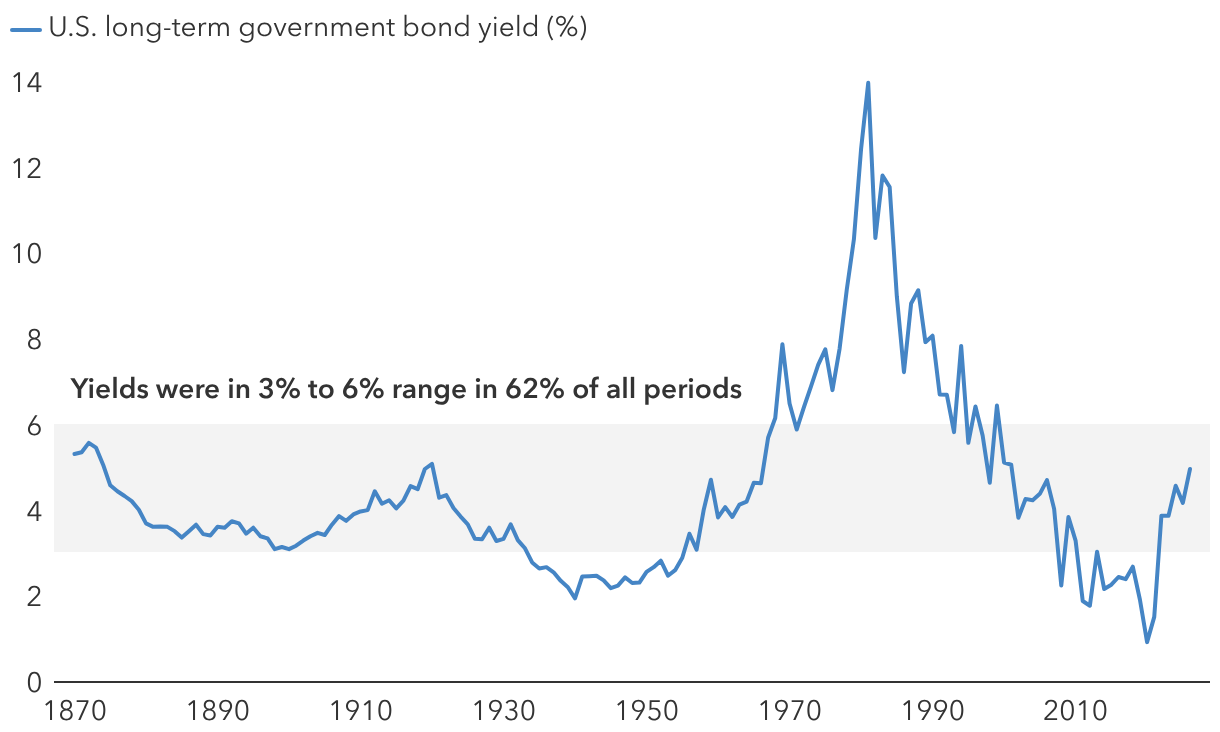
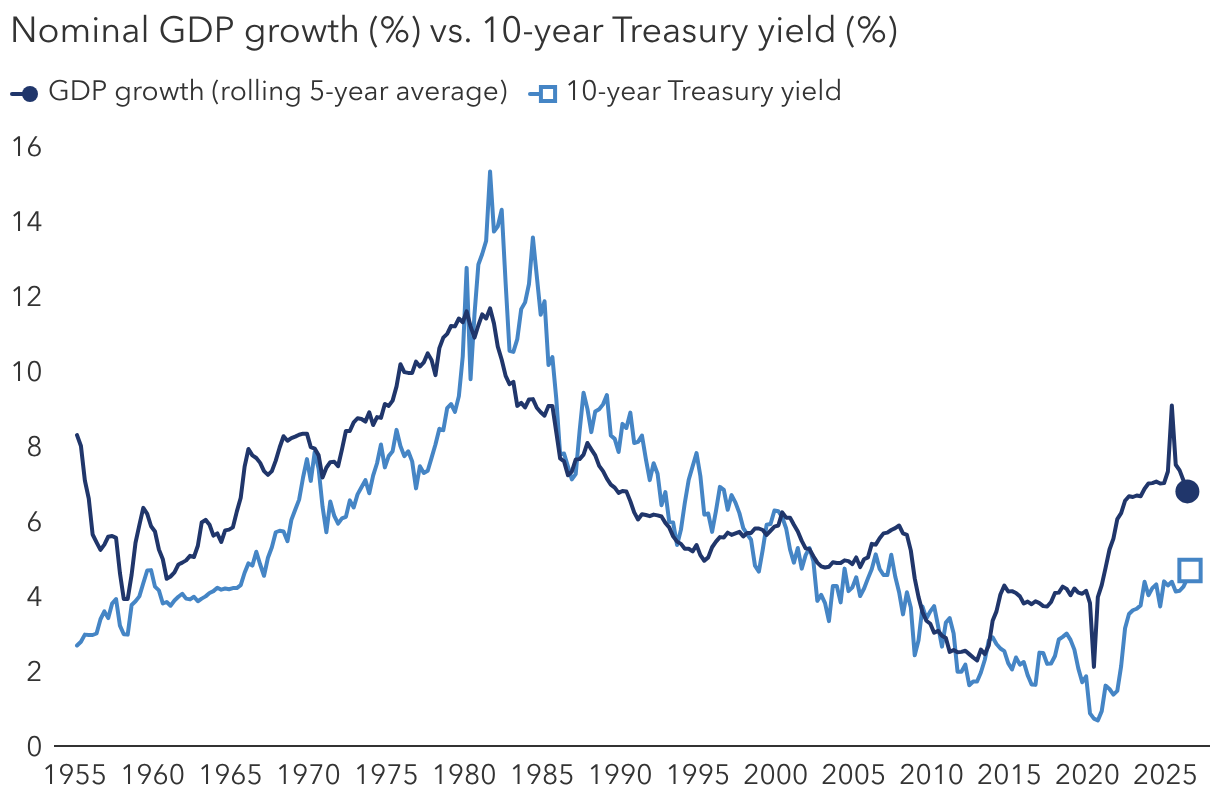
The US economy, supported by a healthy labour market and rising productivity, can absorb modestly higher interest rates without derailing GDP growth. Viewed over a longer historical period, today’s rate levels are not unusual. What was unusual was the ultra-low rate environment we experienced post-global financial crisis and the government bond buying programs that held borrowing costs exceptionally low. In some respects, we appear to be on the path to normalcy after years of unorthodox monetary policy.
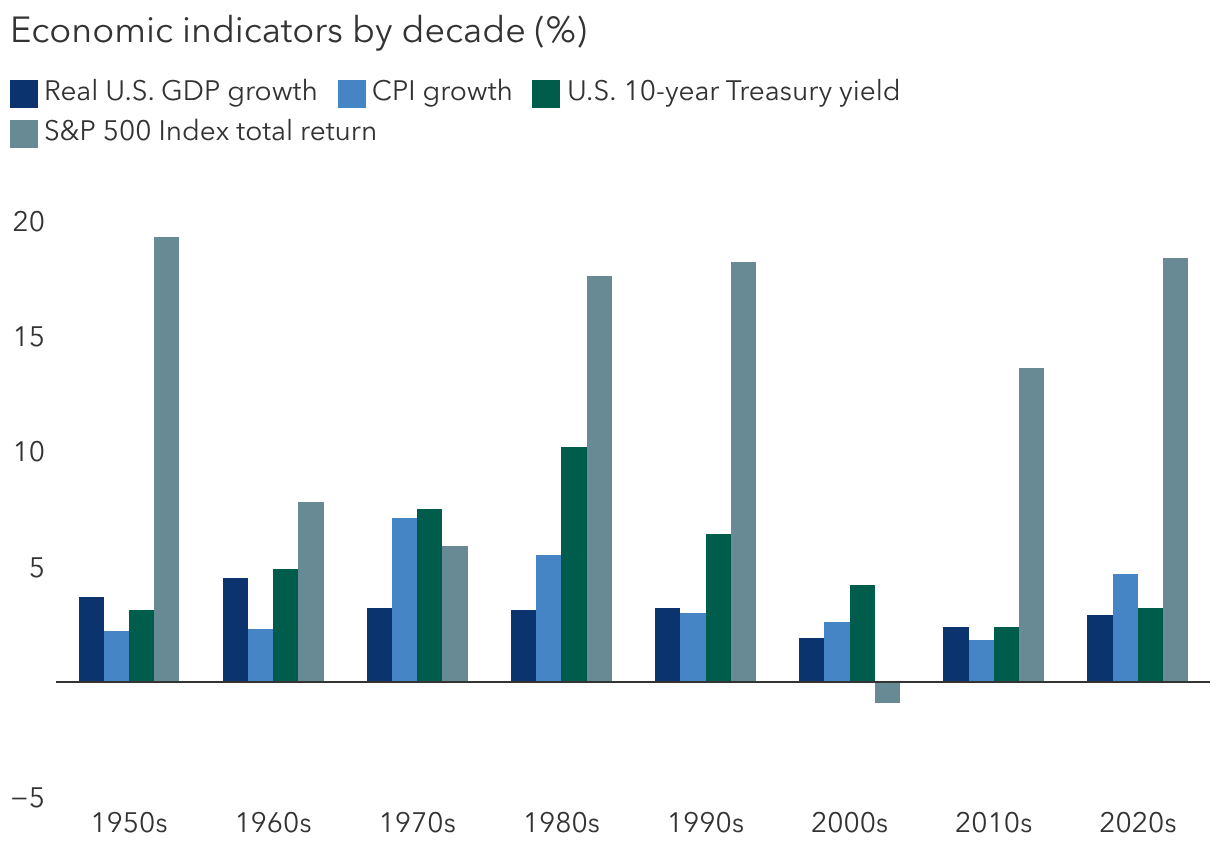
Almost by definition, when the Fed decides to raise rates, it means the US economy is in relatively good shape. This year, AI-related investments are providing enormous support to US economic growth and, despite elevated inflation, consumer spending is rising about 2% on an annualised basis. Renewed strength in the labour market makes it easier for Fed officials to refocus their attention on fighting consumer inflation, which is running about 150 basis points ahead of their 2% target.