Opportunities to speak before Congress are rare. So, when US lawmakers invited Capital Group Vice Chair Jody Jonsson to share her perspective on aligning public policy with shifting market conditions, she welcomed the chance.
Appearing before the House Financial Services Subcommittee on Capital Markets, Jonsson urged lawmakers to preserve investor choice and spoke about the important role active management plays in ensuring the healthy function of capital markets. The committee was exploring whether current policy keeps up with market innovation, such as the recently introduced Trump Accounts, retirement-focused savings vehicles that are required to be invested in low-cost US equity index funds.
Jonsson’s testimony resulted from years of engagement and relationship building with lawmakers, staffers and regulators. Capital Group regularly engages with lawmakers to help strengthen capital markets, reduce costs, lower friction and modernise regulations so they make sense for today's investors and their advisers.
“Our advocacy is truly focused on generating public policy that supports the best possible outcomes for investors,” says Reagan Anderson, Senior Vice President of Government and Regulatory Affairs.
"When lawmakers have questions about active management, it's important that we're who they call," Anderson said. "We've spent years building relationships and providing investors' perspectives on issues that affect retirement security and long-term financial outcomes, and we make sure they know how many investors and advisers we represent in their districts."
Here are four insights Jonsson shared in her testimony to lawmakers:
1. Investor choice is essential
Investors have different objectives, life stages and risk tolerances, and public policy should preserve their ability to choose the approach that works best for them. That is why active and passive strategies both have an important role to play.
“No single investment approach, product or path to retirement security is right for everyone,” Jonsson told lawmakers. “Which is why investors should have access to a broad range of investment solutions, including active management, passive strategies and combinations of both.”
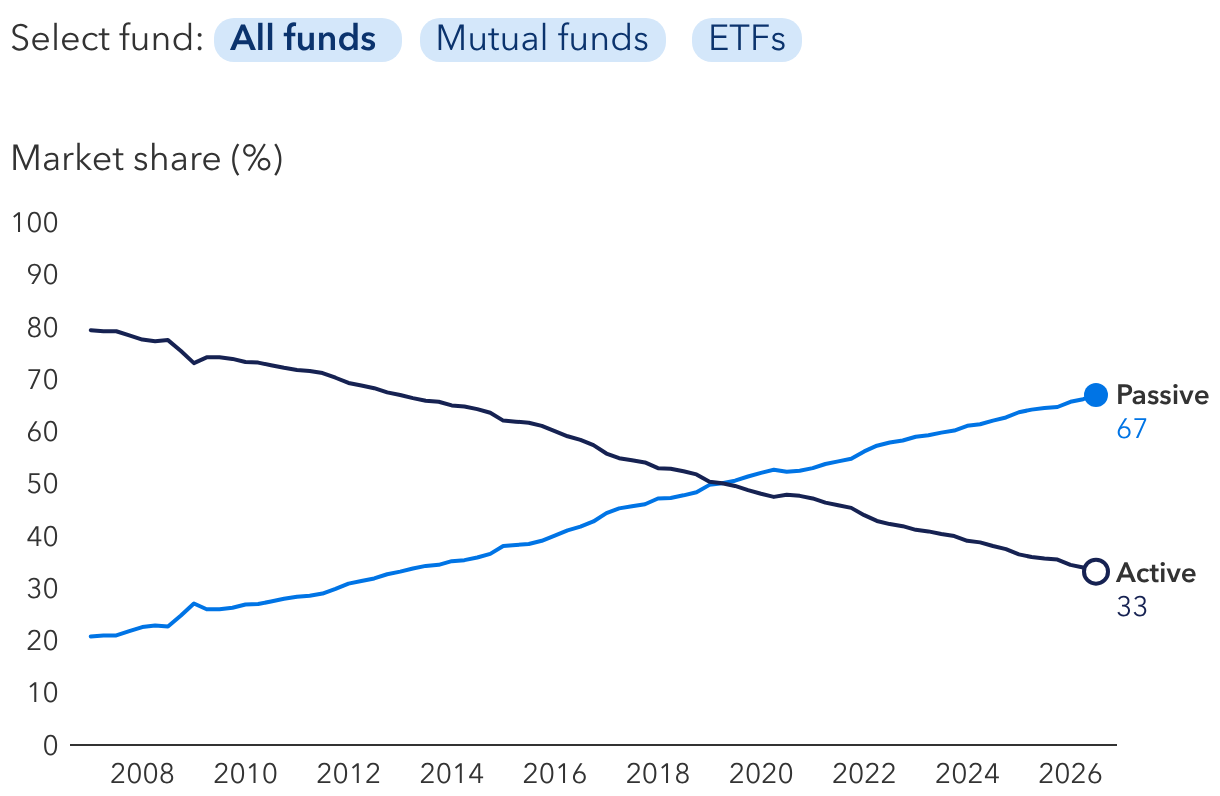
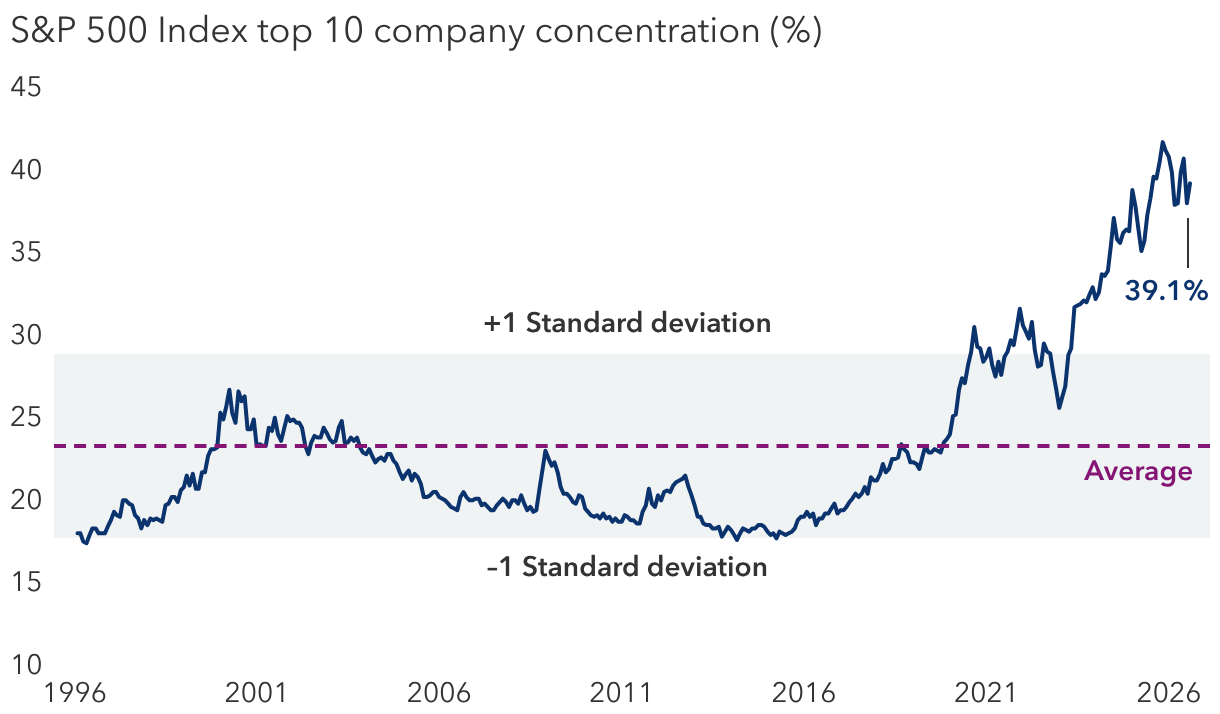
The discussion comes at a time when the investment landscape is being impacted by the rise of passive investing, accelerating trading activity and growing market concentration. Over the past two decades, passive investing has grown to represent about two-thirds of US assets under management.